Crime & Safety
Williamson County Boys Set Federally Protected Bird On Fire: Texas Parks & Wildlife
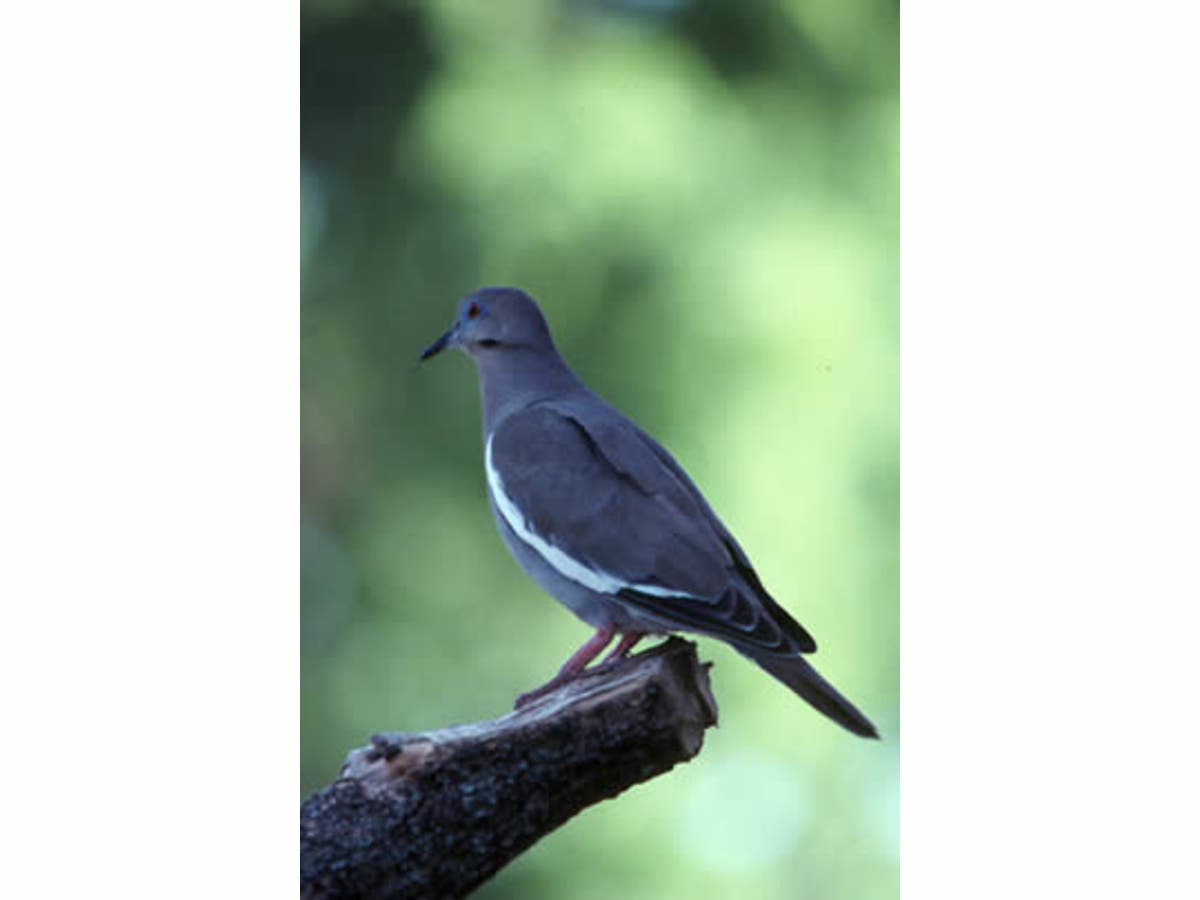
The white-winged dove was injured when the boys came upon it, so they threw it into the air several times before dousing it with gasoline.


WILLIAMSON COUNTY, TX — A trio of teenagers in Williamson County are under investigation after allegedly dousing a protected migratory bird and setting it on fire while filming the incident on social media, officials said.
The allegations are outlined in a report by Texas Parks and Wildlife Department officials on their website. Officials there report the three juveniles captured an injured white-winged dove and tossed it into the air several times before striking it with a football. Then, the youths poured gasoline over the tortured animal and set it on fire. wildlife department officials said.
Officials later determined the bird was a federally protected, migratory white-winged dove. A warden made contact with each of the boys and their parents, obtained their version of events and filed cases for taking a white-winged dove by illegal means in closed season, according to the report.
Find out what's happening in Round Rockfor free with the latest updates from Patch.
At the time of the incident, all three of the youths were on probation for burglary of a habitation, officials said. The case against the trio is pending, officials added, declining to provide details as to the identity of the youths or the city in which they reside.
According to the Audubon Guide to North American Birds, most white-winged doves nesting in the southwest move south in the fall. Migration is early in both seasons, with most birds arriving by March and leaving in September. A few of the birds remain through winter north of the border, especially in suburban areas, and strays sometimes wander far north of their breeding range, Audubon officials write.
Find out what's happening in Round Rockfor free with the latest updates from Patch.
According to the Texas Parks & Wildlife Department website, the white-winged dove since the 1930s has been an important game bird for many generations of Texas hunters in the Lower Rio Grande Valley. Following the introduction of irrigation and grain farming to the area in the early 1900s, the white-winged dove population grew to up to 12 million birds in 1923, officials write on their website. However, continual loss of native habitat as a result of increased farming—some 90 percent of its habitat—caused the population to decline to about 500,000 birds by 1939, officials wrote. Heavy hunting of the birds also contributed to this decline.
A 2000 spring breeding survey revealed an estimated 507,335 white-wings in the LRGV and another 720,000 in upper south Texas, wildlife officials wrote. Beyond the south Texas ecological region, Travis County had 264,000 birds and west Texas had an estimated population of 33,150.
According to Psychology Today, research has consistently reported that childhood cruelty to animals are the first warning sign of later delinquency, violence and criminal behavior. Moreover, nearly all violent crime perpetrators have a history of animal cruelty in their profiles, Psychology Today reports. The magazine cites a couple of prominent examples: Albert deSalvo, the Boston Strangler who killed 13 women, shot arrows through dogs and cats he would capture during childhood; and Eric Harris and Dylan Kiebold, the Columbine High School shooters, boasted about mutilating animals for fun.
>>> Photo of white-winged dove via Texas Parks & Wildlife Department website
Get more local news delivered straight to your inbox. Sign up for free Patch newsletters and alerts.