Travel
Airport Security Bins Have More Germs Than Toilets, Study Shows
Ack! Of all the Petri dishes in airports — there are a lot of them — plastic security pins have the most germs, according to a new study.


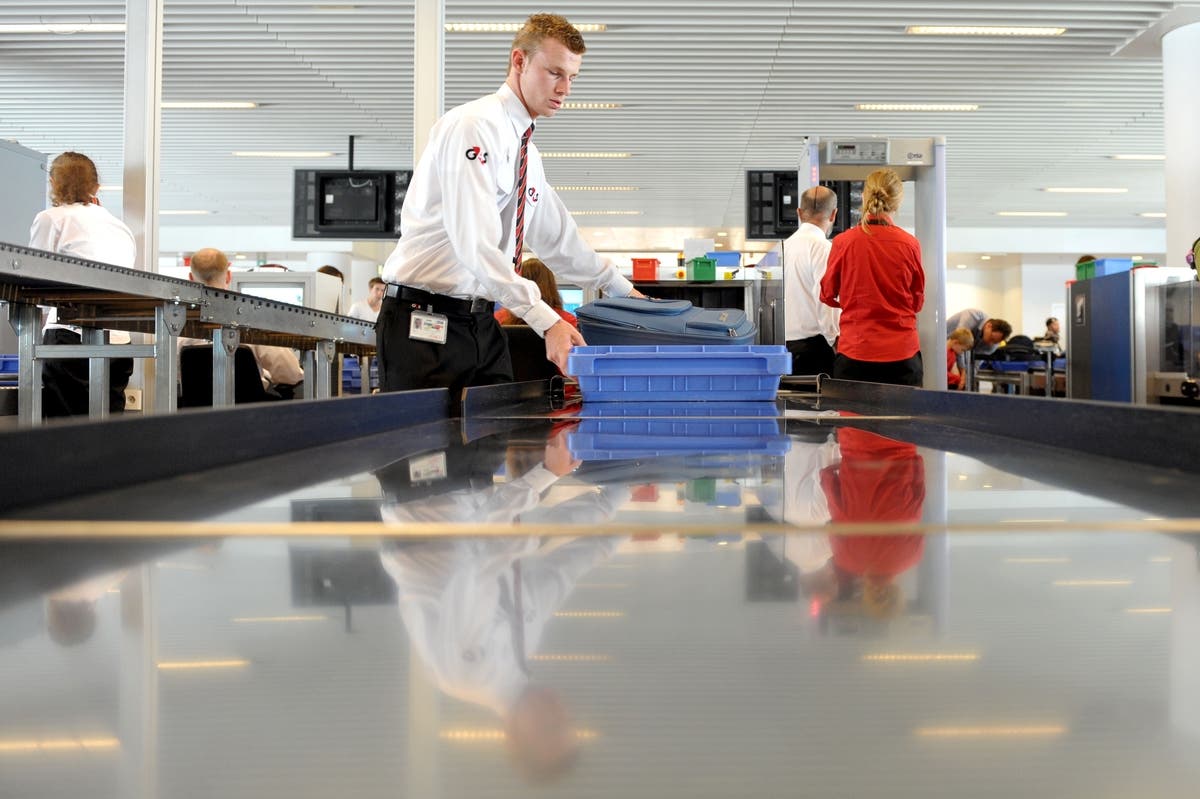
You sneezed and were sneezed on, carrying not only your own germs and picking up more as you jetted the world. You were so rushed in the dash to your connection flight that you didn’t properly wash your hands before leaving the restroom. And then some kid ahead of you in the security line puked all over his mother. Of all the Petri dishes in the airport — the bathrooms, those uncomfortable chairs in the boarding area, the passport checking counters — plastic security bins are the germiest, according to a new study.
Researchers from the UK’s University of Nottingham and the Finnish National Institute say their findings, recently published in the BMC Infectious Diseases journal, underscore the need for more public awareness about how infectious diseases are spread — especially at places like airports, where crowds of travelers from around the world turn over multiple times every day.
Germaphobes who flush the toilet with their feet and use a paper towel to grasp the bathroom door handle may be relieved to learn one of the surprising conclusions of the study: Toilet seats were the least germy fixture the scientists swabbed in their hunt for bacteria on airport surfaces.
Find out what's happening in Across Americafor free with the latest updates from Patch.
(Get Across America Patch’s daily newsletter and real-time news alerts. Or, find your local Patch here and subscribe. Like us on Facebook. Also, download the free Patch iPhone app or free Patch Android app.)
The researchers tested germ levels variety of surfaces at Finland’s Helsinki-Vantaa airport during the winter of 2016, finding evidence of viruses on 10 percent of them. The tests were done during one of the airport’s busiest times, the researchers said in a statement announcing the study.
Find out what's happening in Across Americafor free with the latest updates from Patch.
Also dirty with germs are payment terminals in airport shops and restaurants, staircase rails, children’s play areas, baggage terminals and the air itself. Researchers’ swabs revealed evidence of both rhinovirus, the cause of the common cold, and influenza. The toilet seats didn’t have a trace of either, they said.
Controlling viruses in airports teeming with world travelers poses a special challenge, making it especially important that people thoroughly wash their hands and cough into tissue or sleeve, the authors of the study said.
“These simple precautions can help prevent pandemics and are most important in crowded areas like airports that have a high volume of people traveling to and from many different parts of the world,” Jonathan Van Tam, a professor of health protection at the University of Nottingham and one of the authors of the study, said in the statement.
The presence of disease and illness-causing microbes at airports had not been previously investigated, and the new findings support the need for airports to develop plans for controlling the spread of serious infectious diseases, said virology expert Niina Ikonen from the Finnish National Institute for Health and Welfare, a co-author.
“The results also provide new ideas for technical improvements in airport design and refurbishment,” Ikonen said in the statement.
The authors pointed out that though travelers can’t avoid the air they they breathe or security line trays, airports can decrease the chances they’ll catch a serious bug with some simple steps. They include installing hand sanitizing stations in areas where people repeatedly touch the same surface and regularly cleaning those surfaces.
The authors noted that the results don’t prove the viruses they found on surfaces and in the air are alive and cause disease, but said previous experimental research has proven that many germs survive on various surfaces for up to several days.
Photo via Isopix / Shutterstock
Get more local news delivered straight to your inbox. Sign up for free Patch newsletters and alerts.


![Coffee Shop Etiquette For Remote Workers Who Stay For Hours [The Question]](https://patch.com/img/cdn20/shutterstock/790386/20260918/035545/styles/patch_image/public/shutterstock-2838464277___18155229412.jpg)