Politics & Government
It’s Civic Learning Week in Massachusetts
How one state is leading the national call for positive civic dialogue


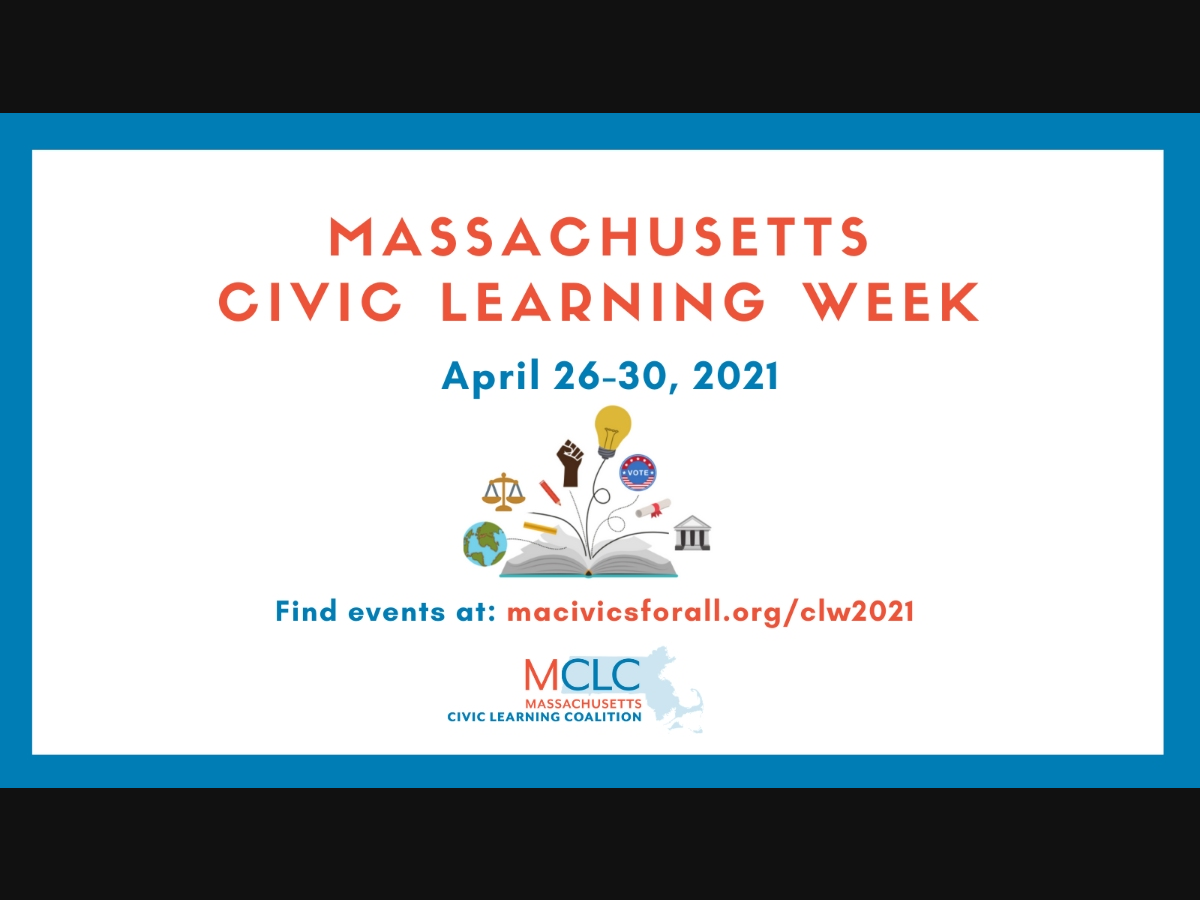
The health and success of our democracy relies on high quality civics education. In support of expanded and more engaging civics education, the Massachusetts Civic Learning Coalition (MCLC) this week kicks off the first annual Civics Week that many see as a potential model for states around the country to follow. Massachusetts Civic Learning Week aims to build broader awareness of and support for civic learning and empower participants to envision themselves as changemakers in our democracy. The week-long celebration includes nearly 50 events across the state led by nonprofits, high schools, museums, social-justice organizations, and Harvard University’s Institute of Politics, all under the aegis of the MCLC. The full list of events can be viewed here.
The Edward M. Kennedy Institute for the United States Senate is a proud participant in this year’s celebrations, hosting a pair of civic learning week events in addition to the Institute’s regular civics education programming for school groups, summer camps, adults, and educators. The Institute’s civic education programs center students in the legislative decision-making process, and we are thrilled to be a part of a week that celebrates civic learning, young civic voices, and the active engagement of young people in their communities.
“Our guiding principle at the Edward M. Kennedy Institute for the United States Senate is that there is absolutely zero reason civics education should ever be boring,’’ says Caroline Angel Burke, Vice President of Education, Visitor Experience, and Collections at the Kennedy Institute. “Civics isn't just about knowing of the Constitution – it's also about understanding how our local, state, and national government structures can be engaged to take action on the most important issues we face today as a society, such as voting rights, ensuring justice and social equity, protecting individual liberty, and safeguarding the future of our planet.”
Find out what's happening in Across Americafor free with the latest updates from Patch.
The Massachusetts Civic Learning Coalition was instrumental in the passage of the MA civic education legislation: An Act to Promote and Enhance Civic Engagement. This 2018 Massachusetts law mandates high-quality civic education for all students and established a Civics Project Trust Fund that supports school districts in the work of student led civic action projects. Civic Learning Week intends to showcase the civic learning and civic engagement efforts of students and educators throughout the Commonwealth.
The Kennedy Institute is dedicated to offering the public a multitude of initiatives that support civics education across the state and country. Through Civic Education Week and beyond, we continue to host events and programs that highlight modern day issues and educate students and adults on how to be engaged and participating citizens in our democracy. An overview of our Civic Education Week and other offerings are outlined below:
Find out what's happening in Across Americafor free with the latest updates from Patch.
Across the Aisle: New Faces of Congress
On Wednesday, April 28th at 3:30pm EST, the Kennedy Institute will host a bipartisan panel of new Members of Congress to discuss the current state of affairs in Washington as well as opportunities for finding common ground and forging collaboration in the 117th Congress. Those interested can learn more and register for this free event can learn more here.
Reimagining Migration: Teaching about Immigration as a Current Event with a Historical Lens
On Thursday, April 29 at 3:00pm EST, the Kennedy Institute will join Reimagining Migration for a joint event for educators and administrators called “Reimagining Migration: Teaching about Immigration as a Current Event with a Historical Lens.” This event is a collaborative effort featuring the historical and contextual migration resources from Reimagining Migration and the immigration policy simulation experiences from the Kennedy Institute. Educators interested in attending this event can register here.
Facilitated Virtual School Programs
Intended to give students from all school grades an immersive and participatory experience in being “Senator for a Day,” the Kennedy Institute facilitates real-time discussion of contemporary issues including environmental justice, mandatory minimum sentencing, voting rights restoration, the Green New Deal, and many more. For teachers hoping to bring civic education into their classroom with more engaging curriculum, our facilitated virtual school programs immerse the students in the legislative process and require them to study, debate, and eventually vote on current day issues. Any educators across the country interested in participating in a facilitated virtual school program with the Kennedy Institute can learn more here.
Civics Education for Adults
Civic education is not exclusively reserved for students – it can equally benefit adults looking to learn more about ways in which our government works and how to be more engaged in issues they care about. The Kennedy Institute has created “Real Life Civics,” programs intended for adults that involve guided discussions about the fundamental structures, functions, and values of the United States government. Accessible for all ages, the Kennedy Institute’s Real Life Civics programs serve as a great starting point for those who want to understand today’s political complexities better but don’t know where to begin. The Institute is building partnerships with city and town libraries, adult-education and senior centers to bring Real Life Civics to a growing audience in Massachusetts and neighboring states.
As a country, we have enormous work left to ensure citizens fully understand how our government works and to encourage participatory democracy. Reimagining and reinvigorating “civics education” as not just classroom lessons but the education and empowerment of citizens to participate in taking action on the most important real-life issues facing the country today represents a critical step in that process.