Health & Fitness
Master Anxiety
Anxiety always faces the what-if of tomorrow. This can generate a vivid, vexing sense that whatever comes could be beyond your control.

This has been called the “age of anxiety.” W. H. Auden wrote that as a poem in 1947. And look how many anxiety-producing events have transpired over the last 70 years across the world. And they continue to arise in the present, from the growing climate crisis to the breakdown of our political system, the list of anxiety-producing concerns is long. But note: All of these involve the uncertain future. Indeed, anxiety always faces the yet-to-be, the what-if of tomorrow. This can generate a vivid, vexing sense that whatever comes could be beyond our control. Among the best definitions of anxiety: living in the gap between the now and the then; the experience of a lost child in a potentially hostile world; the vague foreboding that something terrible is about to happen—but you do not know what, when, or from where.
The question is, how can you overcome such anxiety? How can you find some livable level of peace, if not even a trusting serenity? Here are some of the proven paths you can and perhaps even must follow to overcome anxiety about possible tomorrows:
First, risk faith. And I mean faith in spite what is unfolding, as because of it. I am a short-term pessimist, but a long-term optimist. Conditions will likely worsen, but I risk faith that there are solutions yet to be realized and enacted. As the British say, we will lose some battles, but we will win the war.
Find out what's happening in Across Americafor free with the latest updates from Patch.
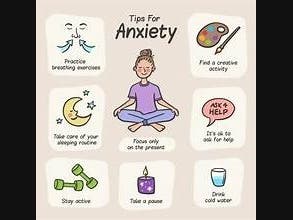
Second, stay in the present. That is all that really is, anyway. Meditate. Practice mindfulness, which can open you to the fullness of the now. And like Jesus said: “Let the day’s own troubles be sufficient for the day.” In the wise words of Eckhart Tolle,
“All negativity is caused by denial of the present. Unease, anxiety, tension, stress, worry—all forms of fear—are caused by too much future, and not enough presence. Guilt, regret, resentment, grievances, sadness, bitterness, and all forms of non-forgiveness are caused by too much past, and not enough presence.”
Find out what's happening in Across Americafor free with the latest updates from Patch.
Third, do something, act, move toward some resolution. Neil Fiore said, “Anxiety is energy that cannot be used now. When you focus that trapped energy on action in the present moment, you release it and experience excitement and effectiveness.” Add to that the words of Dale Carnegie: “Inaction breeds doubt and fear. Action breeds confidence and courage. If you want to conquer fear, do not sit home and think about it. Go out and get busy.”
Now ask yourself, how have you gotten by thus far? What good things has life shown you? For what can you give thanks today, in this very hour? Focus on these things. Stay in the light of the goodness you have seen and sensed, rather than sliding into the darkness of doubt and despair. You and you alone have the power to determine how to see your life.
The words of the Apostle Paul work well here, regardless of your faith stance. I challenge you to practice living these simple words for a week: “Finally, beloved, whatever is true, whatever is honorable, whatever is just, whatever is pure, whatever is pleasing, whatever is commendable, if there is any excellence and if there is anything worthy of praise, think about these things” (Philippians 4:8).
Though you may prepare for tomorrow, stay in the present. Your remaining positive will invite in the good tomorrow may have in store—if you are open to receive it.
Above all, risk faith. The faith that, as a wise woman once told me during a time of crisis, “Yes, this too, will pass.”