Health & Fitness
We Want to Be Lovable
More than loved, we want to be lovable. We want to be loved because we deserve or merit or have somehow earned it.

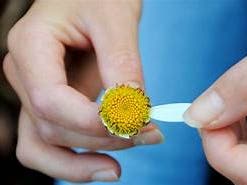
More than loved, we want to be lovable. We want to be loved because we deserve or merit or have somehow earned it. We desire being loved for qualities in us rather than in the person who loves us, due to our goodness rather than the other’s graciousness. Our self-esteem gets interwoven not only with our sense of likeability, but also with our sense of lovability.
The question is, what makes us lovable? Is lovability something we do or something we are, or some combination thereof? Perhaps we want to be lovable for being who we are, yet feel we can get appreciative, approving responses only by virtue of what we do. Perhaps we secretly fear that being lovable may be out of reach.
What makes another lovable to us? It is surely more than being cute or adorable, though they may enjoy being so labeled – as long as it is not meant to demean or diminish them.
Find out what's happening in Across Americafor free with the latest updates from Patch.
Perhaps we equate being lovable with being desirable. Yet to be desirable takes a lot of work, to say nothing of a fair amount of deception – for we are forced to hide our undesirable characteristics while promoting our desirable ones. Trying to look our desirable best in all circumstances creates a disparity between public appearance and private reality. And the larger the disparity, the less lovable we secretly feel.
Many associate being lovable with being perfect, flawless, seamless and seemly. Doing things well or perfectly, however, does not really draw others to us; rather, though others may respect, admire and even envy us, it puts distance between them and us. It makes us appear different from if not better than them. Perhaps that is one reason why we silently enjoy it when supposedly perfect persons show their weaker, frailer sides. We tell ourselves, “They are no better than I am!” Also, the better we present ourselves as being, the more intensely others will likely look for our flaws.
Find out what's happening in Across Americafor free with the latest updates from Patch.
The truth is, though we need to strive to improve ourselves, the state of perfection will forever elude us. We will continue to have our share of failings and foibles; we will remain both weak and strong, with dark as well as bright impulses. It is essential that we learn to love ourselves in our entirety, for we can love ourselves only to the extent that we love that which we least like about ourselves.
What invites others to love us is our being openly honest and human. In our humanness is our lovability. The humble, simple admission of being human tends to draw loved ones to us. I have seen this time and again in love relationships, especially between a man and a woman. When a man admits his humanity, his pain and regrets, his hopes and fears, it draws his woman to him. The same holds true for a woman disclosing her humanity to her man. When the two cease being alternately defensive and offensive, when they risk revealing their vulnerable humanness, they can more readily move together toward reconciliation and restoration.
Likewise, when a parent admits to a child, even an adult child, prior wrongdoing and seeks forgiveness and reconciliation, few children will ever close the door in their parent’s face. If it does not make the parent more lovable, it renders them less ignoble.
So it really comes down to this: do you want to be perfect or lovable? You cannot have it both ways.


![If You Think Someone’s In Danger, Here’s How To Intervene [The Question]](https://patch.com/img/cdn20/shutterstock/790386/20260423/080030/styles/patch_image/public/shutterstock-2014114811___23195740130.jpg)