Seasonal & Holidays
When Is Daylight Saving Time 2019: United States
It's almost time to "fall back" and reset any analog clocks you have.


ACROSS AMERICA — On the positive side, your early mornings are about to become a little brighter. But with Daylight Saving Time coming to an end this weekend in most of the United States, your afternoons are about to feel a lot shorter.
At 2 a.m. on Sunday, clocks need to "fall back" an hour to 1 a.m., which means earlier sunsets and longer nights. Most computers, phones and DVRs automatically reset, though, you'll have to manually change any analog clocks.
Not every state follows Daylight Saving Time. The majority of Arizona and Hawaii, along with some U.S. territories, adhere to standard time all year long, according to the Farmers' Almanac.
Find out what's happening in Across Americafor free with the latest updates from Patch.
Daylight Saving Time, or "daylight savings time" as it's commonly incorrectly referred to, will return on March 8.
Brief History of Daylight Saving Time
Find out what's happening in Across Americafor free with the latest updates from Patch.
Ben Franklin is credited by many for being the first person to propose the concept of Daylight Saving Time centuries before it was implemented. The more modern variation of the practice, though, reportedly comes from an entomologist from New Zealand named George Hudson.
In 1895, Hudson proposed a two-hour shift, so he'd have additional daylight to go bug hunting in the summer, according to National Geographic.
The actual practice of Daylight Saving Time has been used sporadically in the United States since World War I. However, it took until 1966 for Congress to establish the Uniform Time Act, signed into law by President Lyndon B. Johnson and federally declaring Daylight Saving Time to begin on the last Sunday of April and end on the last Sunday of October.
The Dangers of Time Change
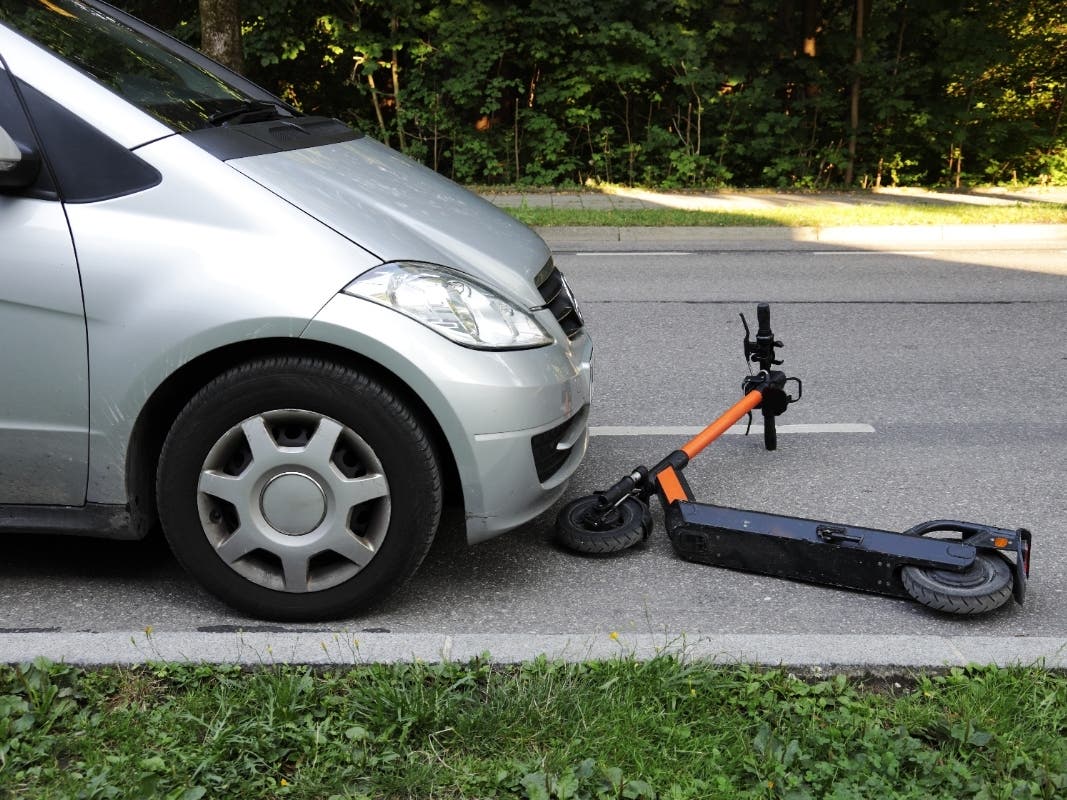
Longer nights mean more potential for drowsy driving.
The National Highway Traffic Safety Administration research shows drowsy-driving crashes most frequently occur between midnight and 6 a.m., or in the late-afternoon.
The evening rush hour is already a dangerous time because the roads are crowded and drivers are eager to get home. With the dusk coming an hour earlier, be extra patient, stay in your lane and keep an eye out for drivers who are merging dangerously through lanes.
Get more local news delivered straight to your inbox. Sign up for free Patch newsletters and alerts.

![How To Respond To Nosiness Without Being Rude [The Question]](https://patch.com/img/cdn20/shutterstock/790386/20260604/063505/styles/patch_image/public/shutterstock-2723662743___04182525550.jpg)