Politics & Government
Otto Warmbier Death: Trump Wrong To Credit China, Blame Obama, Says Bill Richardson
The former UN Ambassador, who helped bring Otto Warmbier home, adds the State Department deserves a lot of credit for their efforts.


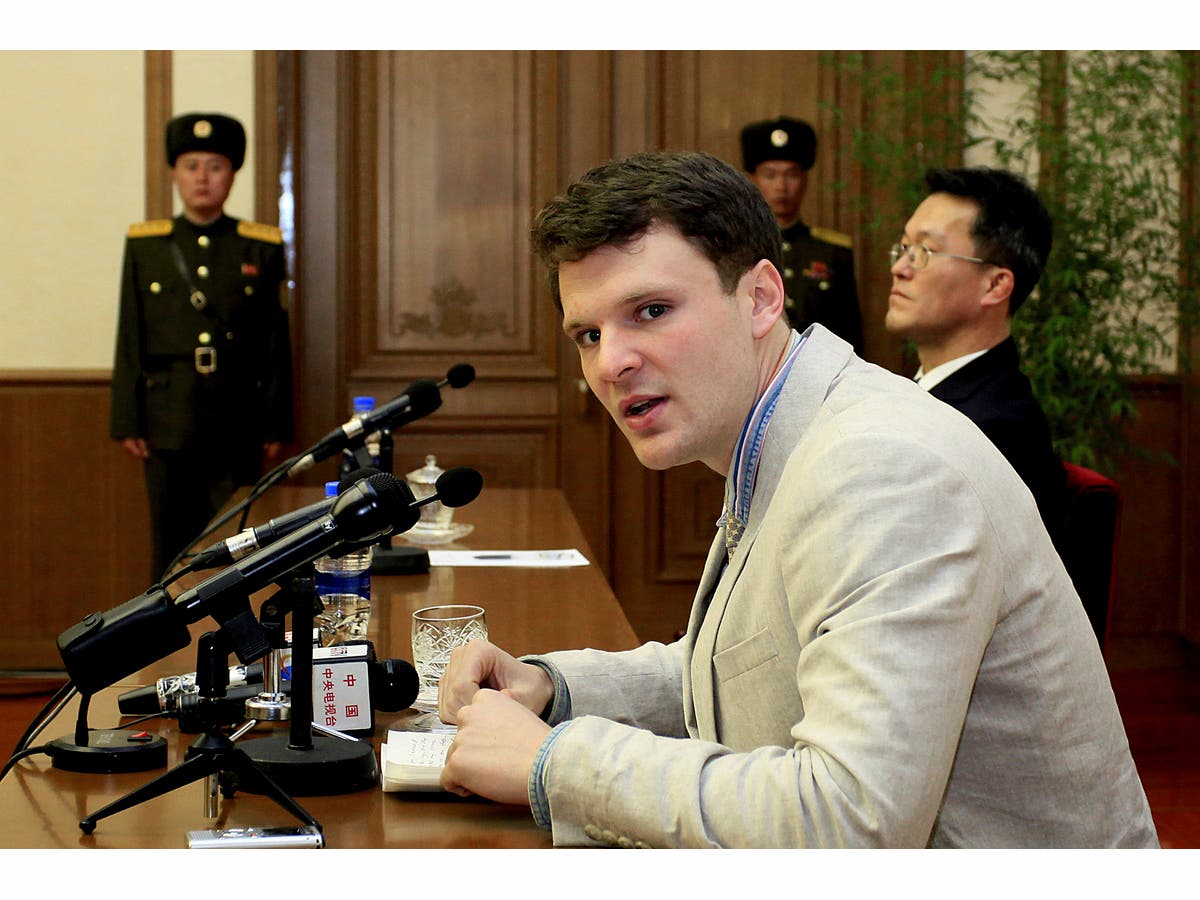
Bill Richardson, the former United States Ambassador to the United Nations who helped bring Otto Warmbier home from North Korea, is heartbroken. He says the tragic ending to the story has left him pessimistic that any kind of diplomatic solution is possible.
"I am sad and very angry," he tells Patch over the phone Wednesday morning. "We spent so many hours with his family, we became close to them.
"This is not how this story was supposed to end."
Find out what's happening in White Housefor free with the latest updates from Patch.
Richardson has traveled to North Korea many times over the years, perhaps more than anyone from the United States. He has also successfully negotiated the release of Americans held there.
Which is why Ohio Gov. John Kasich — Warmbier is from Ohio — reached out to him last year and asked him to get involved..
Find out what's happening in White Housefor free with the latest updates from Patch.
"I had about 20 meetings with North Korean officials at the United Nations in the past year," says Richardson, who since leaving government service, has run a private center focused on conflict resolution and prisoner release. "We were talking about arranging for providing humanitarian assistance, flood assistance.
"The funds would have been raised privately."
Richardson says the Obama administration had been aware of the talks.
He thinks that part of the reason the North Koreans didn't want to deal last year was that they saw the Obama administration as a lame duck and they wanted to wait.
"So, when the Trump administration took over in January, we made sure they knew what was going on," he says. "And to give credit where credit is due, the State Department worked very hard to make it happen."
At the same time, while Richardson credits the administration's work and support of his efforts, he does think that two parts of the president's response have been misguided.
"I think the president has been wrong to point fingers at their predecessors," he says. "I personally met with (former UN Ambassador) Susan Rice. I discussed the issue with President Obama."
Richardson says Obama was very concerned about Warmbier and supportive of his efforts.
"The problem is that Kim Jong-un is very unpredictable," Richardson says, referring to North Korea's leader. "It used to be that they would take a prisoner and you could negotiate a release in return for some sort of humanitarian relief. That is no longer the case."
Richardson also think that the president was wrong when he tweeted, "While I greatly appreciate the efforts of President Xi & China to help with North Korea, it has not worked out. At least I know China tried!"
Richardson says he hasn't seen any evidence of that.
"It appears that the president was banking on China being more aggressive on China," he says. "I think that's misguided. What I saw was a very weak effort on their part. They are unwilling to confront North Korea for their own reasons.
"They like to have turmoil in the region. It's important to remember that China is our rival."
Richardson says that the way Warmbier was treated and how the story ended has soured him on the possibility of improved relations with North Korea.
"He was clearly subjected to gross mistreatment," Richardson says. "Maybe he was tortured, maybe he was subjected to very rough interrogation. Whatever happened, they clearly damaged his brain. Their explanations about botulism just doesn't add up.
"They were very cruel in not disclosing that he was in a coma. They should come clean and explain what happened."
Richardson says that he would like to see several things happen moving forward.
"The North Koreans need to release the three remaining American and one Canadian hostage," he says. "I would like to see President Trump publicly demand a full explanation from North Korea. There should be more economic sanctions.
"I would like to see the United Nations investigate how Otto was treated though I know that's unlikely."
One thing that Richardson would not like to see? A military response.
"I am very sour right on the possibility of diplomacy making any progress right now, but we have to keep trying," he says. "I am not for a military response.
"It would be a disaster."
Richardson says that there is still room for negotiations.
"They need assistance," he says. "They need humanitarian aid. They also need to release their hostages and return the remains of Americans from the Korean War.
"There are the remains of thousands of Americans still there that need to be brought home."
In 2007, Richardson negotiated the return of seven Americans.
"We've made it happen before, we can do it again."
AP Photo/Kim Kwang Hyon, File
Get more local news delivered straight to your inbox. Sign up for free Patch newsletters and alerts.