Health & Fitness
Travel Restrictions Imposed On Italy, S. Korea Due To Coronavirus
The Trump administration Saturday announced additional travel restrictions in an effort to protect U.S. citizens from the new coronavirus.


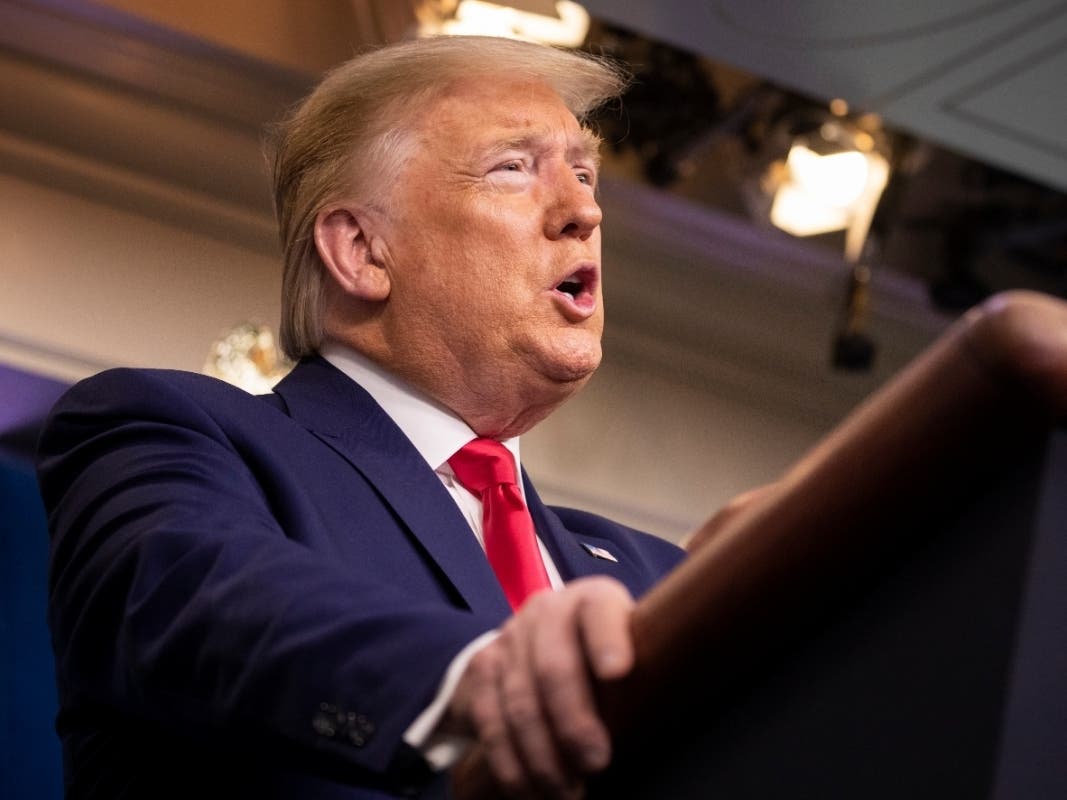
WASHINGTON, DC — The Trump administration on Saturday announced additional international travel restrictions in an effort to protect U.S. citizens from contracting the new coronavirus. The restrictions, announced at a White House news conference, affect travel from Iran, and to Italy and South Korea.
The restrictions on Iran are in addition to previous restrictions imposed by the Trump administration, Vice President Mike Pence said at the news conference. The restrictions were extended to also include any foreign national who has visited Iran in the last 14 days.
Pence, who was appointed earlier this week to lead the White House task force coordinating the U.S.'s response to the new coronavirus, also said officials have heightened the travel advisory to portions of Italy and South Korea to a level 4, the highest alert possible, which instructs individuals to avoid all travel to those areas.
Find out what's happening in White Housefor free with the latest updates from Patch.
The news of additional travel restrictions comes just hours after King County health officials in Washington state confirmed the first U.S. coronavirus death, Patch editor Lucas Combos reported. Despite the death, health officials at the news conference stressed the risk to Americans remains low and, while more cases should be anticipated, to "go about their normal lives."
Find out what's happening in White Housefor free with the latest updates from Patch.
Trump also said he was strongly considering imposing travel restrictions at the U.S.-Mexico border after three cases were confirmed in the country, Bloomberg reported, adding all three men had traveled to Italy.
Alex Azar, secretary of the U.S. Department of Health and Human Services, said federal health officials are implementing a "basic containment strategy" by imposing travel restrictions, which is why the risk of Americans contracting coronavirus remains low.
"But this can change rapidly," Azar said at the news conference. "We always said we would see more cases — we are seeing more cases, we will see more cases."
Trump said at the news conference the United States has 22 confirmed cases of the new coronavirus, despite the Centers for Disease Prevention and Control's website listing only 15 confirmed cases of coronavirus in the United States. Nearly 460 people have been tested, according to the CDC.
The virus — which originated in Wuhan, China — has infected at least 83,600 people, and 2,800 people have died, creating a global pandemic, according to the World Health Organization. It is spreading so quickly overseas that infectious disease experts and scientists warn there may be no way to contain it.
Earlier this week, a top official at the CDC said during a news conference it's only a matter of time before the new coronavirus spreads to communities across the United States. Communities, schools and businesses should begin preparing now for "the expectation that this could be bad," said Dr. Nancy Messonnier, the director of the CDC's National Center for Immunization and Respiratory Disease.
This week, health officials in California confirmed the first coronavirus case in the United States in which the patient had no known exposure to the virus through travel to China or close contact with a known infected person. A second case of unknown origin also was confirmed in California Friday.
Two cases of unknown origin also have been identified in Washington state — a teen boy who had no recent travel history or close contacts — and Oregon, where an elementary school staff member in Lake Oswego is in isolation at Kaiser Permanente Westside Medical Center.
Get more local news delivered straight to your inbox. Sign up for free Patch newsletters and alerts.