Politics & Government
Trump Travel Ban: Grandparents, Cousins Exempt, Supreme Court Rules
The high court says the government can enforce stricter restrictions on refugees, for now at least.

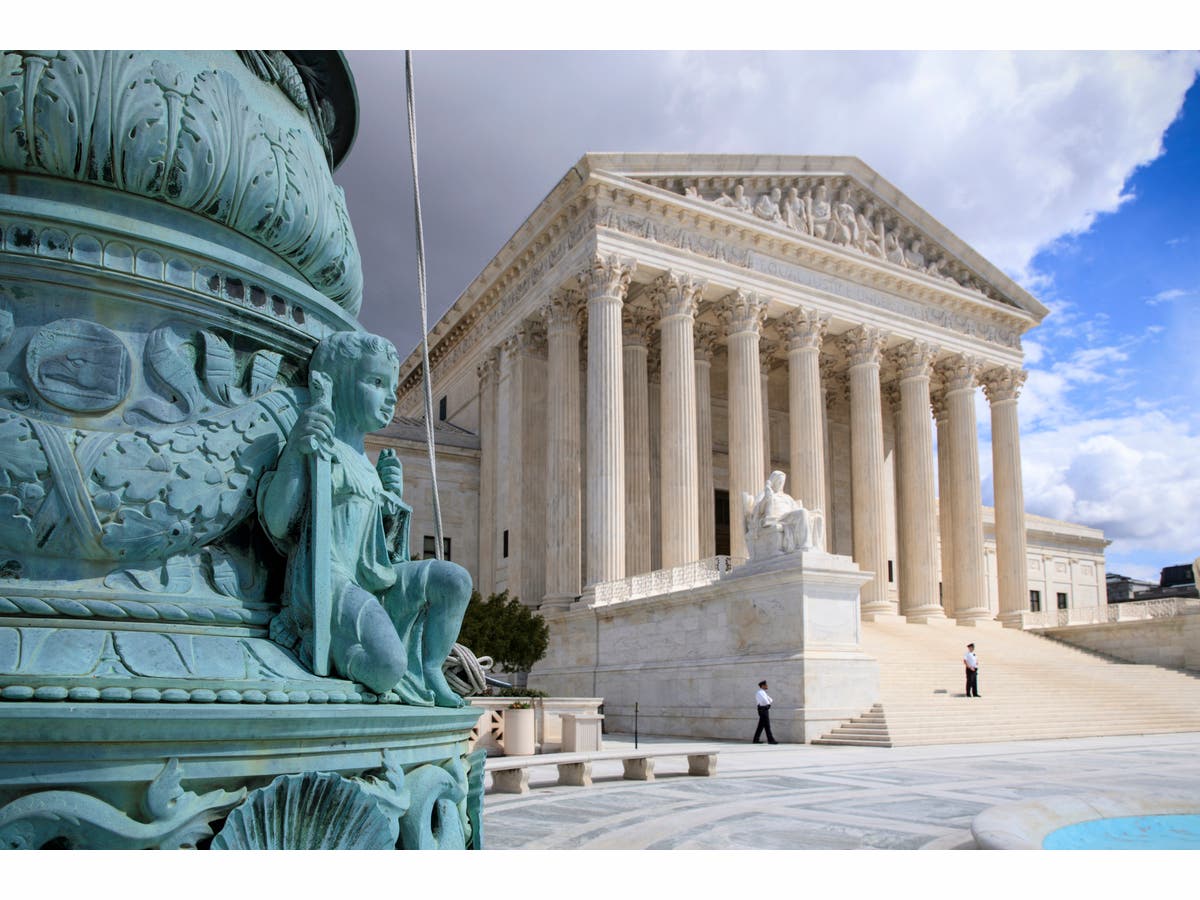
WASHINGTON, DC — The Supreme Court on Wednesday disagreed with the White House's contention that grandparents, cousins, uncles and aunts of Americans weren't exempt from a travel ban for six predominantly Muslim countries.
But the high court sided with the Trump administration saying the government may enforce stricter restrictions on refugees, for now at least.
U.S. District Judge Derrick Watson last week ordered the government to allow in refugees formally working with a resettlement agency in the United States. He also expanded the family relations that refugees and visitors can use to enter the country.
Find out what's happening in White Housefor free with the latest updates from Patch.
The Trump administration appealed. The justices blocked Watson's order Wednesday as it applies to refugees, but not the expanded list of relatives. The justices said the federal appeals court in San Francisco should now consider the appeal. It's unclear when that will happen. (For more White House news, click here to sign up for real-time news alerts. If you have an iPhone, click here to get the free Patch iPhone app.)
BREAKING: Supreme Court says Trump administration can enforce refugee ban for now.
— The Associated Press (@AP) July 19, 2017
In the meantime, as many as 24,000 refugees already assigned to a charity or religious group in the U.S. will not be able to use that connection to enter the country.
Find out what's happening in White Housefor free with the latest updates from Patch.
"This ruling jeopardizes the safety of thousands of people across the world including vulnerable families fleeing war and violence," said Naureen Shah, Amnesty International USA's senior director of campaigns.
That part of the court's ruling was a victory for President Donald Trump, who rolled out a first ban on travelers and refugees after just a week in office, prompting a legal fight that has raged ever since.
But the Supreme Court also denied the administration's request to clarify its ruling last month that allowed the administration to partially reinstate a 90-day ban on visitors from Iran, Libya, Somalia, Sudan, Syria and Yemen and a 120-day ban on refugees from anywhere in the world.
The court's ruling exempted a large swath of refugees and travelers with a "bona fide relationship" with a person or an entity in the U.S. The justices did not define those relationships but said they could include a close relative, a job offer or admission to a college or university. The expanded list of relatives remains in effect, and the State Department already has instructed diplomats to use the broader list when considering visa applicants from the six countries.
Hawaii Attorney General Doug Chin said the court's order Wednesday "confirms we were right to say that the Trump administration over-reached in trying to unilaterally keep families apart from each other."
New York State Attorney General Eric T. Schneiderman weighed in on the ruling in a Tweet:
It’s self-evident grandparents are family. I’m pleased the Supreme Court recognized they qualify for protection from @POTUS’s #MuslimBan. https://t.co/Qw7j2YPxzN
— Eric Schneiderman (@AGSchneiderman) July 19, 2017
Justices Samuel Alito, Neil Gorsuch and Clarence Thomas would have blocked Watson's order in its entirety. Those same three justices said last month they would have allowed the Trump travel ban to take full effect.
The travel ban already is on the court's calendar for October, though the 90-day pause will have expired by then.
By Mark Sherman, Associated Press
Associated Press writer Jennifer Sinco Kelleher contributed to this report from Honolulu, Hawaii.
Photo credit: J. Scott Applewhite/Associated Press