Sports
The Outdoorsman's Annual Sausagefest
Create a fun and delicious tradition by preparing savory homemade links and patties.
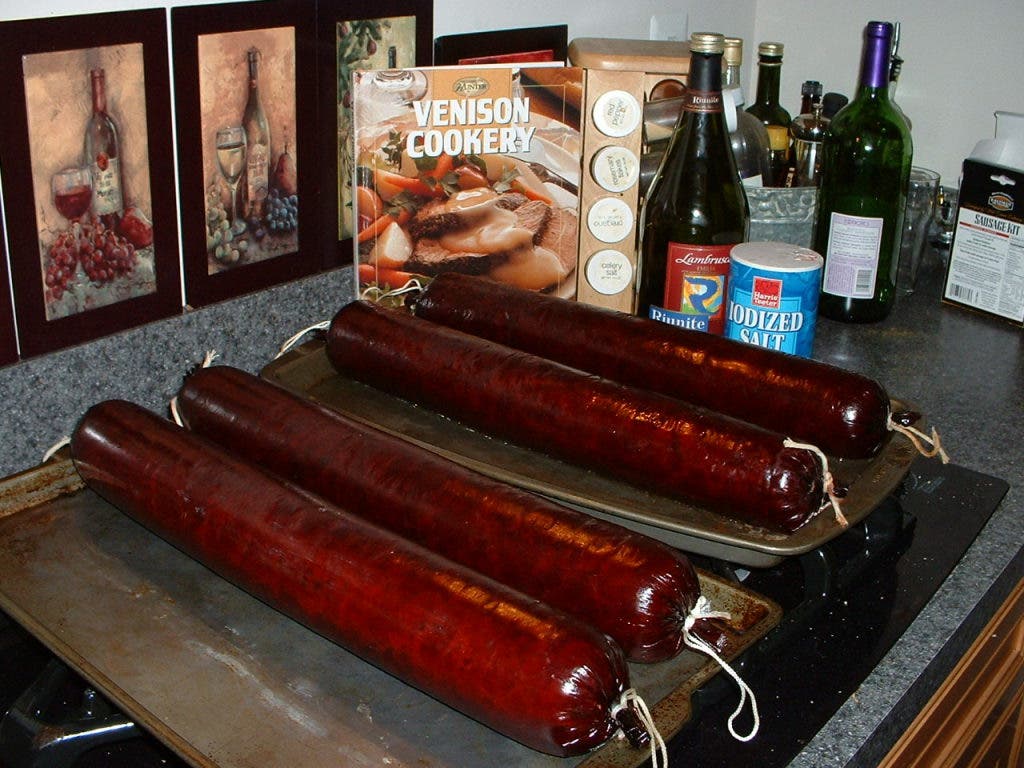


On a recent afternoon in Ashburn, three dedicated wurstmachers gathered for an annual ritual known as Sausagefest. Armed only with their bare hands, a KitchenAid mixer, assorted salts and spices, and the lessons learned from past Sausagefest adventures, the brave souls took about the task of transforming nearly one-hundred pounds of venison and pork into numerous varieties of glorious fresh and smoked sausages.
Many slanderous quotes have been made regarding the misunderstood art of charcuterie, or the preparation of salted and cured meats. It has been mused that the process of turning raw and bland cuts of ordinary meats into the magical, spicy end product called sausage should be left unviewed by the consumer.
"Laws are like sausages, it is better not to see them being made," quipped the 19th century German Chancellor Otto Von Bismark.
Find out what's happening in Ashburnfor free with the latest updates from Patch.
But in reality, and despite such virulent anti-sausage propaganda, sausage making is a fun and rewarding activity that the entire family can enjoy. With a few simple tools and ingredients, novice sausage men and women can start their own tradition of crafting personalized sausage varietals that are often cheaper and healthier than the mass-produced versions pioneered by titans of industry such as Jimmy Dean or Dietz and Watson.
Ashburn's very own Sausagefest started three years ago as an experiment, but has quickly transformed into a tradition that, like the Masters in golf, is truly unlike any other. Having grown up watching and his best friend Tony make homemade kielbasas, lonza, and porketta, I decided it was time to try and turn a portion of my venison harvest into meat ambrosia. Not really knowing where to start, I scoured some cookbooks and the Internet for recipes and advice.
Find out what's happening in Ashburnfor free with the latest updates from Patch.
I quickly found the process and ingredients were less complicated and less exotic than I initially feared. My standard KitchenAid mixer easily transformed into a high-capacity sausage-making machine with the food grinder and sausage stuffer accessories. Wegman's shelves were stocked with all the needed ingredients, including hard-to-find items such as Syracuse Packing Company natural hog casings, Morton's TenderQuick, and pickling salt.
With ingredients in hand, I enlisted the help of friends Danny and Mark – whose families allegedly hail from the great sausage-making regions of Italy and Portugal, respectively – to help with the significant undertaking of chopping, grinding, spicing and stuffing.
The inaugural Sausagefest was a humble affair, as several of the sausages turned out either too dry or lacking in flavor. However, successful batches of bratwurst and spicy Italian gave the Ashburn sausage makers the confidence to carry on.
Year two saw a strange and unexpected Sausagefest transformation: What began as an event attended by three men and my somewhat confused and annoyed wife, turned into the must-see event of the winter. Friends and neighbors streamed in, lured by the sultry smell of smoking meat … and the promise of alcohol.
Three years later, the familiar sounds of Sausagefest rang forth once again above the din of the whirring KitchenAid.
"We need more salt," said Mark. "More paprika," demanded Danny. "I need another beer," said I.
For the sausage men of Ashburn, variety truly is the spice of life. All of our sausages are made from a combination of venison and pork – venison is generally too lean to make into sausage on its own – but from this simple mixture we create a host of fresh and smoked sausage flavors.
For the beginner sausage maker, fresh sausages are the simplest to make. Fresh sausages are prepared raw, and must be fully cooked before eating. Preparation is simple: grind meat, mix with spice, and either stuff in casings or leave loose for forming into patties or adding to foods such as spaghetti sauce or chilli.
Smoked sausages can be a little trickier. Generally speaking, smoked sausages require cooking at low heat for an extended period of time and the introduction of smoke to flavor the meat. Traditionally, this process required a smoker or grill equipped to maintain a low temperature for several hours until the sausages reached an internal temperature of about 155 degrees. The low-heat smoking method requires the introduction of cure, which helps prevent the growth of bacteria. Today, commercially available spice mixes that contain liquid smoke allow the home sausage chef to create smokehouse quality sausages in the oven.
The most technically demanding of the sausage maker's skills is the stuffing of spiced meats into casings. Edible casings, which are sold in "hanks" – coils or bundles of sausage casings – are typically made from hog intestines or Collagen. Natural hog casings are typically packed in salt, and must be carefully separated, rinsed, and soaked before they are ready for the stuffer. The process requires patience, skill, and a steady hand.
Luckily for the Ashburn sausageers, Mark has attained the noble title of Master Hanksmen for his work in the hog casing medium. Like da Vinci with marble, Mark deftly separates the casings and spins perfect links from the sausage stuffer, creating a masterpiece few would imagine could come from the sinewy innards.
In a matter of hours, the Ashburn sausage makers transform nearly 100 lbs. of lifeless and plain meat into a bounty of culinary delights. The house is filled with platters of bratwurst, Andouille links, and chorizo. Freezer bags are filled with "Skinny Mark's Spicy Italian" (see recipe below), as summer sausages are pulled from the oven. The aroma of glorious processed meat wafts through the house, while friends and family enjoy a delicious and lasting tradition.
SKINNY MARK'S SPICY ITALIAN SAUSAGE
Ingredients:
- 5 lbs. each of venison and pork shoulder, cut into two-inch cubes
- 8 tablespoons hot paprika
- 8 teaspoons dried hot pepper flakes
- 1 cup cold water
- 9 tablespoons fennel seeds
- salt and ground pepper to taste.
Directions: Pass the venison and pork though meat grinder, using the plate with the widest holes. Pass meat through grinder a second time if a finer texture is desired. Hand-mix in the remaining ingredients and add salt and pepper to taste (start with at least one tablespoon of salt, with more likely needed after a taste test). Cook a small amount in a frying pan for the taste test. Add additional fennel, salt and pepper to taste. Stuff sausage in natural hog or Collagen casings, or simply place loose meat in one-quart freezer bags and freeze for sauce, patties, etc. Sausage must be cooked fully before eating.
For additional venison sausage recipes, check out my favorite venison cookbook, "Venison Cookery: The Complete Hunter," which is available through the Loudoun County Public Library.