Neighbor News
What to Plant during Northern Virginia Summers
With the right plants and care, plants can flourish despite heat, humidity and drought.

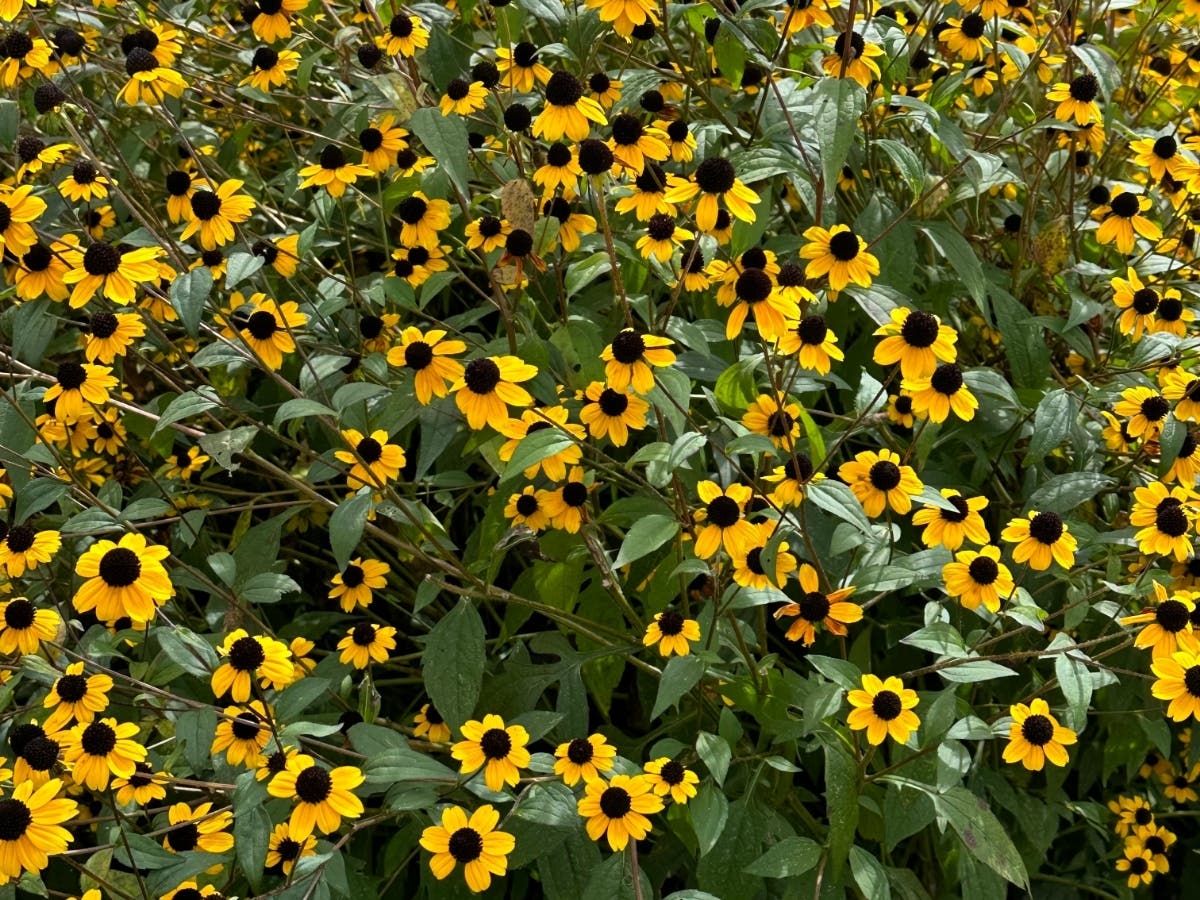
Choosing plants that will grow through the intense heat, humidity, and bugs that come with a Northern Virginia summer may seem difficult. However, many warm-weather plants tolerate drought well and attract pollinators.
Many vegetables, including tomatoes, peppers, eggplants, and cucumbers, are heat-tolerant and can withstand humidity. Okra, sweet potatoes, squash and beans are also good choices for the hot, long growing season.
Likewise, herbs are also sun-loving plants, and there are a handful, like basil, thyme, oregano, rosemary, mint, and sage, that would survive the summer indoors or outdoors.
Find out what's happening in Burkefor free with the latest updates from Patch.
For those who want a garden with more than shades of green, black-eyed Susans are known for their long-lasting blooms and their ability to survive with little water. Coreopsis is a low-maintenance, bright flower that blooms in shades of red, orange and yellow. Coneflowers, with a similar look to daisies, attract pollinators, repel bugs and bloom in a bright range of yellow to pink.
Find out what's happening in Burkefor free with the latest updates from Patch.
Zinnias and marigolds also thrive in the heat, offering bold color and resilience against pests. Daylilies and yarrow are perennials that tolerate drought and bring more color to gardens.
The Grapevine, English Ivy, and Star Jasmine are three examples of wall plants that are easy to care for and will adapt to the heat easily. Along with their rapid growth, these plants can provide shade in the heat and add some green space to your yard.
Climate plays a significant role in successful gardening in Northern Virginia. Summers may be very humid, and, therefore, watering in the early morning should help prevent evaporation and fungal development.
It is also recommended that you mulch your plants in order to conserve water and maintain the temperature of plant roots. Also, using native plants will help you create more effective gardens in Northern Virginia.