Neighbor News
Significance of Eid ul Adha and Hajj
Why do Muslims celebrate Eid ul Adha and perform Hajj (pilgrimage)?
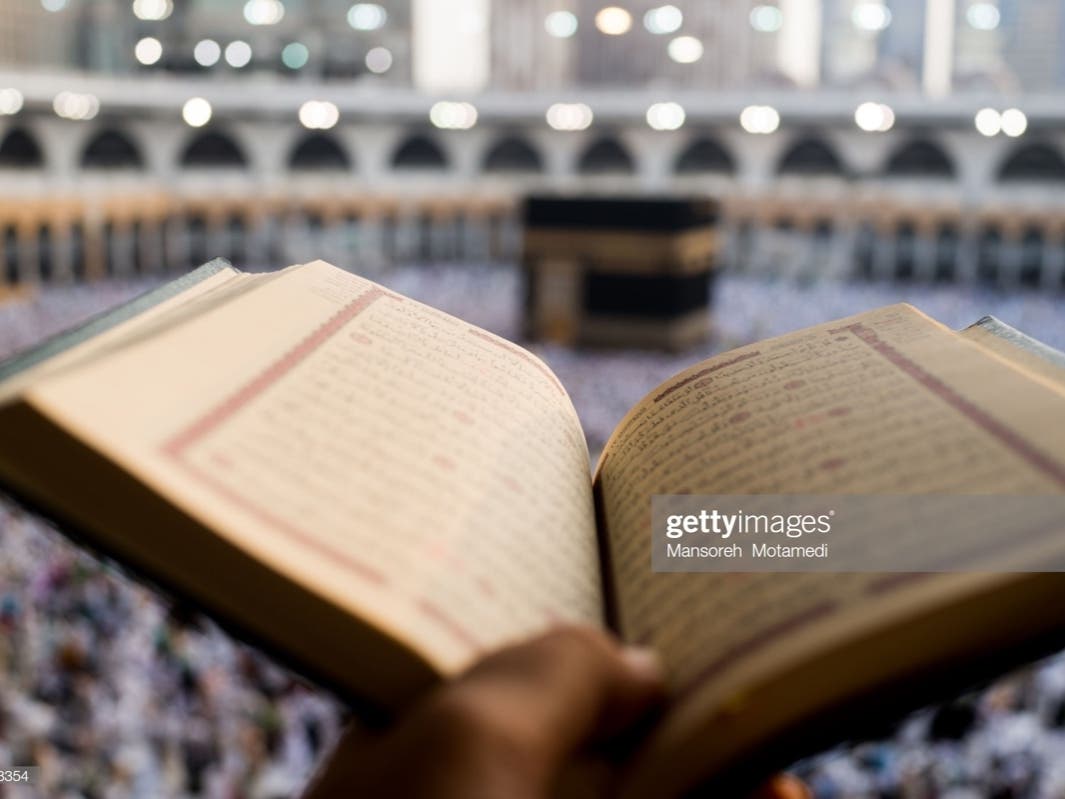
Many people are unaware of the Islamic festivals. Since Muslims from around the world will be going to Mecca to perform Hajj (pilgrimage) and celebrate Eid- ul-Adha (August 9-14), I would like to shed some light on the significance of them. Eid-ul-Adha means ‘Feast of the sacrifice’ and Hajj is one of the pillars of Islam. Eid-ul-Adha marks the completion of the Hajj. It is obligatory to bring the pilgrimage to a successful termination with the sacrifice of a ritually acceptable animal which includes sheep, goat, cow, and camel. This is done in remembrance of Abraham’s readiness to sacrifice his son Ishmael who, in turn, resigned to being sacrificed under the belief that it was the will of God. This incident is mentioned in Holy Qur’an as follows, “And when he was old enough to work with him, he said, ‘O my dear son, I have seen in a dream that I am slaughtering thee. So consider, what thou thinkest of it!’ He replied, ‘O my father, do as thou art commanded; thou wilt find me, if God please, of those who are patient.’ And when they both submitted to the Will of God, and he had thrown him down on his forehead, We called to him: ‘O Abraham,‘Thou hast indeed fulfilled the dream.’ Thus indeed do We reward those who do good. That surely was a manifest trial. And We ransomed him with a great sacrifice” (37:103-108). The act of sacrifice symbolizes our willingness to give up things that are of benefit to us or close to our hearts, in order to follow God’s commandments.
The meat from the sacrifice of Eid-ul-Adha is mostly given away to others such as to immediate family and relatives, to friends, and to the poor. We recognize that all blessings come from God, and we should open our hearts and share with others.
Performing Hajj (pilgrimage) and sacrificing an animal is also considered a type of worship similar to fasting, praying and reciting the Holy Qur’an. In Hajj the male pilgrims do not wear any sewn garments; rather, they dress in two loose white pieces of cloths. The shaving of the head is an important feature. Women are exempt from shaving, but they have to symbolically cut their hair as a token. In regards to Hajj the Holy Qur’an states, “Then let them accomplish their needful acts of cleansing, and fulfill their vows, and go around the Ancient House” (22:30). In this verse the Ancient House refers to the cubic structure called the Ka’aba. Performing Hajj and sacrificing an animal elevate the spiritual, social and economic status of a Muslim who must perform this pillar of Islam at least once in their lifetime if health and economic means permit. According to the Prophet Muhammad( peace and blessings be upon him), “Whoever performs Hajj and does not commit any obscenity or transgression will return [free from sins] as he was on the day his mother gave birth to him” (Al-Bukhari).
Find out what's happening in Fredericksburgfor free with the latest updates from Patch.
A Muslim’s true identity is to completely submit herself/himself to God and to obediently follow His commands. This is exactly what our God asks from us as it is mentioned in the Holy Qur’an, “And who is better in faith than he who submits himself to God, and he is a doer of good, and follows the religion of Abraham, the upright? And God took Abraham for a special friend” (4:126). Devoting ourselves to God strengthens the heart, purifies the faith, and brings nearness to God the Exalted.