Crime & Safety
44 Pounds Of Prohibited Food Detected By CBP Beagle At NoVA Airport
CBP says recent seizures at Dulles included pork, produce and canned meat that could threaten U.S. agriculture.


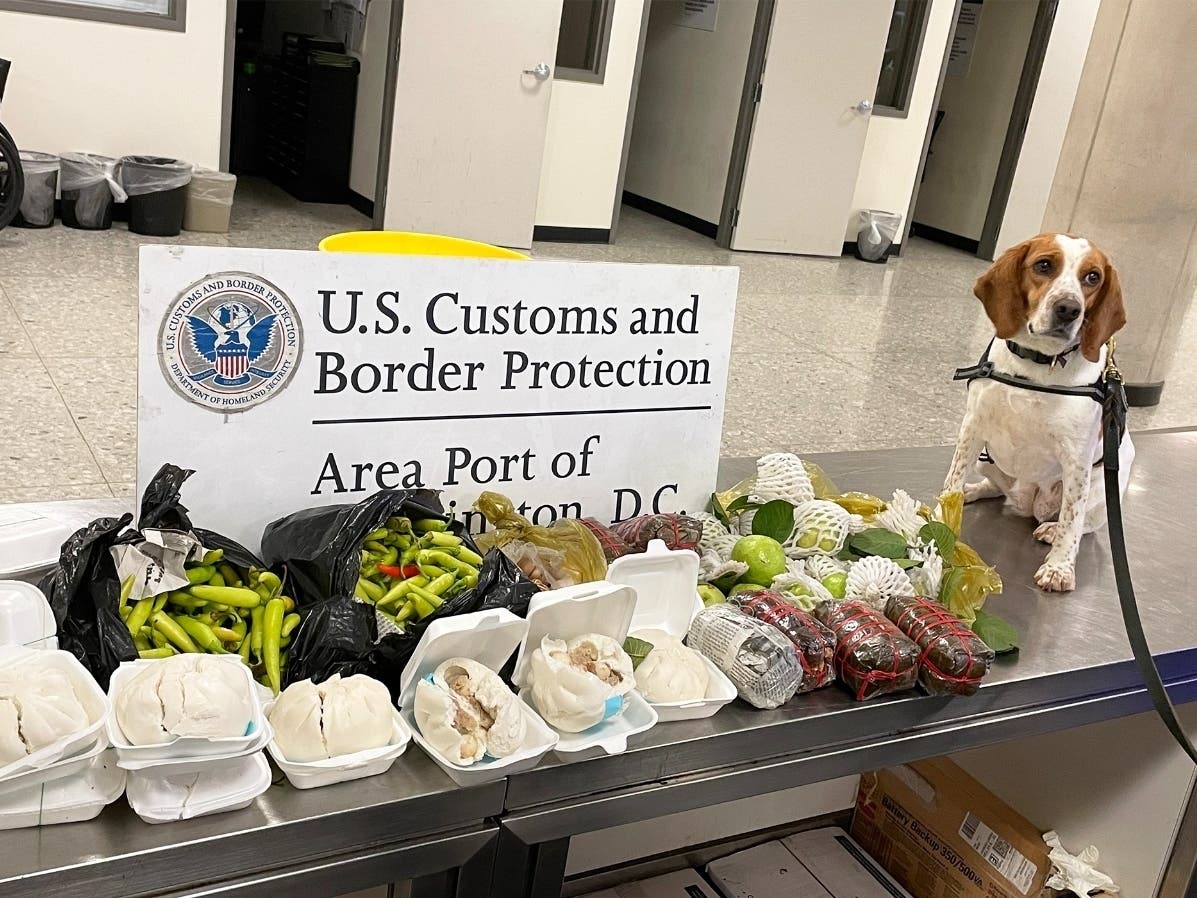
STERLING, VA — U.S. Customs and Border Protection agriculture specialists recently found more than 44 pounds of prohibited food products in baggage at Washington Dulles International Airport, including pork, produce and canned meat that officials said could pose risks to U.S. livestock and crop industries.
CBP said the recent cases come as international travel to the United States is expected to peak during the summer. The agency also anticipates increased travel tied to the FIFA World Cup tournament starting next week.
On May 28, Valen, a 3-year-old female beagle and CBP agriculture detector dog, alerted officials to the baggage of a traveler from Vietnam, according to CBP. During a secondary examination, agriculture specialists found more than 13 pounds of pork products and nearly 16 pounds of fruits and vegetables.
Find out what's happening in Restonfor free with the latest updates from Patch.
Vietnam has had recent episodes of African swine fever, a highly contagious and deadly viral disease that could significantly affect the U.S. pork industry, according to CBP. The agency also said fruits and vegetables can carry invasive insect pests that could harm crop industries.
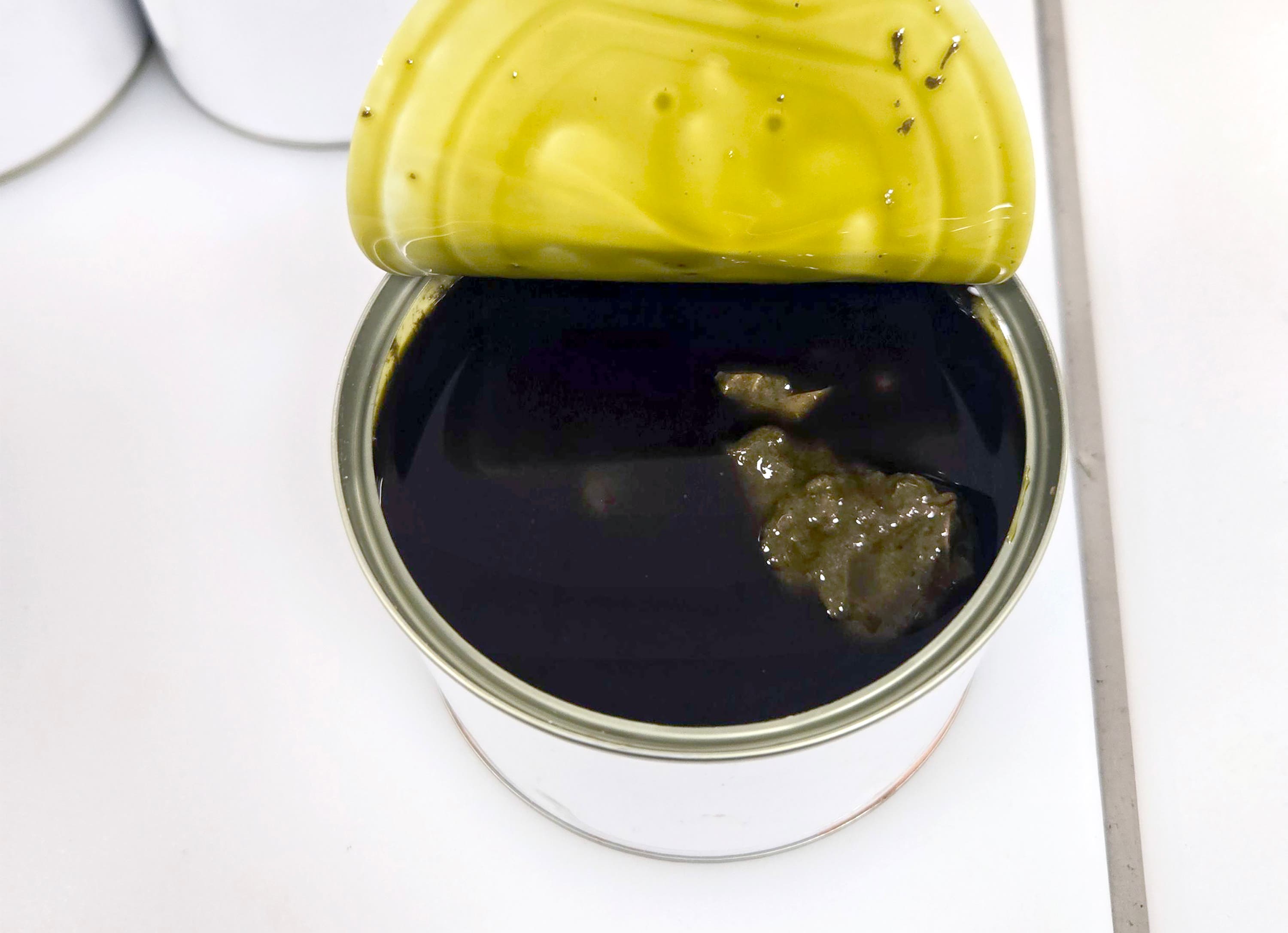
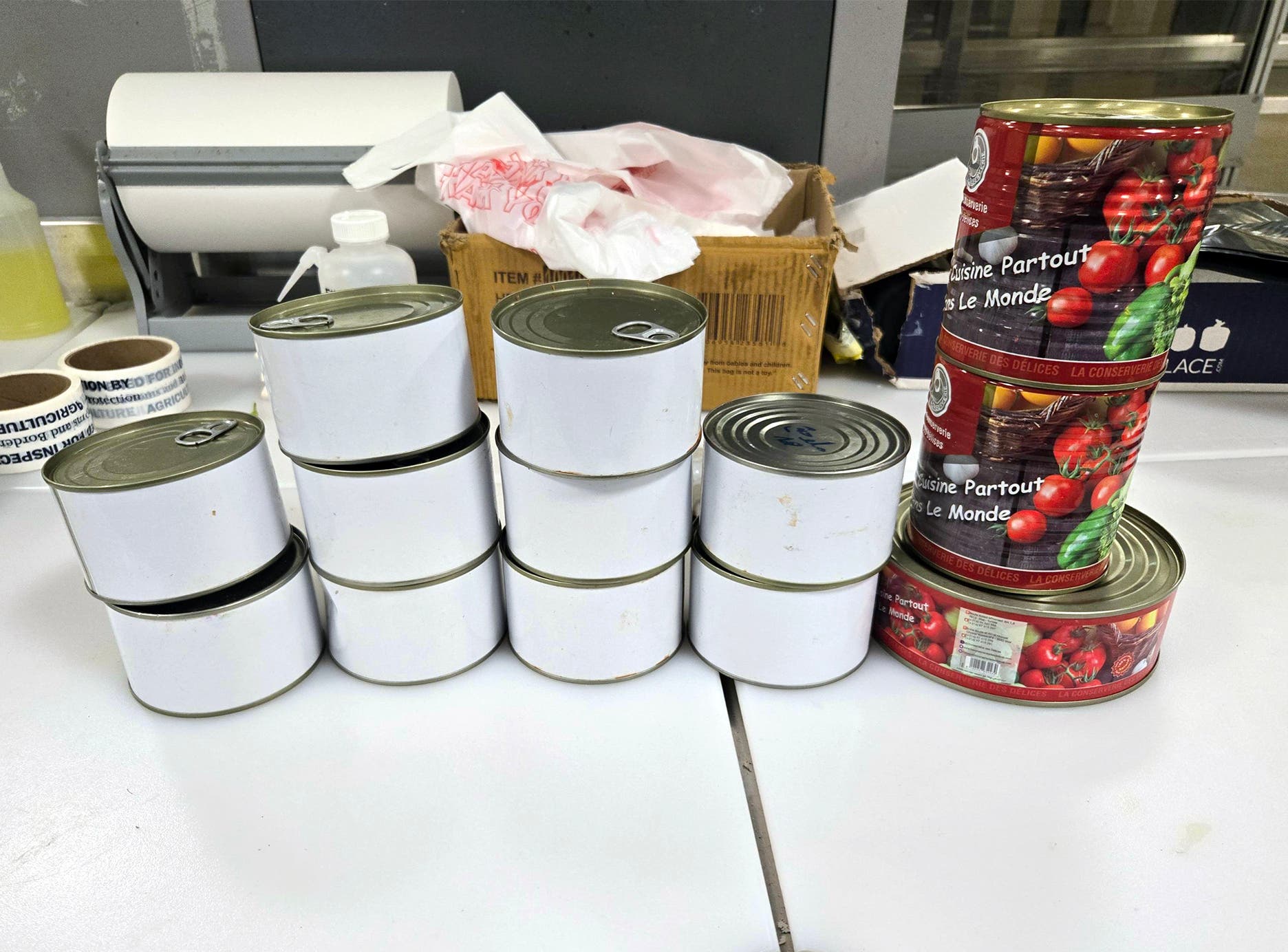
On June 2, CBP agriculture specialists found 15 pounds of canned ruminant meat in the baggage of a traveler from Tunisia, according to CBP. The traveler declared lamb and beef during a secondary examination and said his mother had cooked and canned the meat before he traveled to the United States.
Find out what's happening in Restonfor free with the latest updates from Patch.
CBP said Tunisia has experienced episodes of lumpy skin disease, epizootic hemorrhagic disease and bovine tuberculosis, all of which can affect livestock.
Agriculture specialists intercepted the prohibited products and released the travelers, CBP said.
“These products may seem harmless, but the introduction of animal diseases could cripple our nation’s livestock industries, cause devastating economic impacts, and restrict our ability to export pork or beef products across the globe,” said Christine Waugh, CBP’s Area Port Director for Washington, D.C. “Customs and Border Protection agriculture specialists play a vital role in protecting our nation’s agriculture industries and economic security by intercepting potential animal diseases and invasive insects at our nation’s ports of entry.”
CBP encouraged travelers to review U.S. Department of Agriculture guidance on traveling with food or other agricultural products, along with CBP guidance on prohibited and restricted items, before traveling.
CBP agriculture specialists work to prevent harmful plant pests, foreign animal diseases and potential agricultural bioterrorism from entering the United States. On a typical day last year, CBP agriculture specialists nationwide seized 4,691 prohibited plant, meat, animal byproducts and soil items, and intercepted 222 insect pests at U.S. ports of entry, the agency said.
Valen is part of CBP’s Beagle Brigade, which uses trained agriculture detector dogs to find prohibited fruit, vegetables, plants and meat products from high-risk countries.
Get more local news delivered straight to your inbox. Sign up for free Patch newsletters and alerts.