Health & Fitness
Reston Association's Garlic Mustard Challenge!!!
Reston Associations Weed Warriors, who tackle invasive plant removal in our open areas, are conducting a contest to see who can remove the most Garlic Mustard plants/seedlings in our woods.
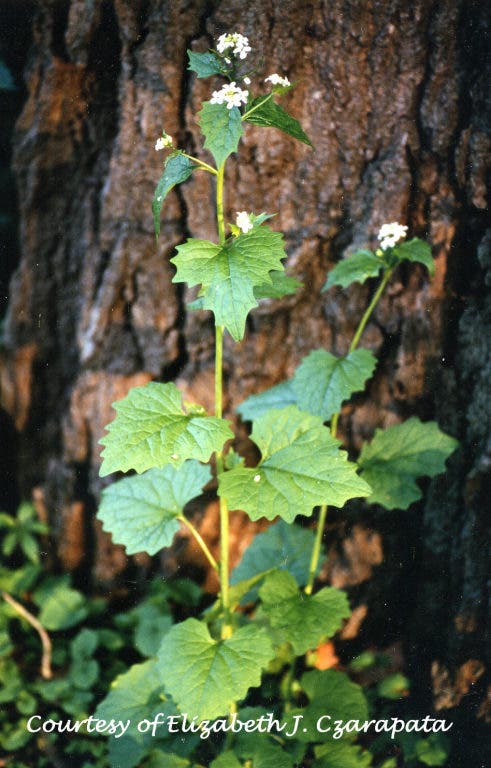

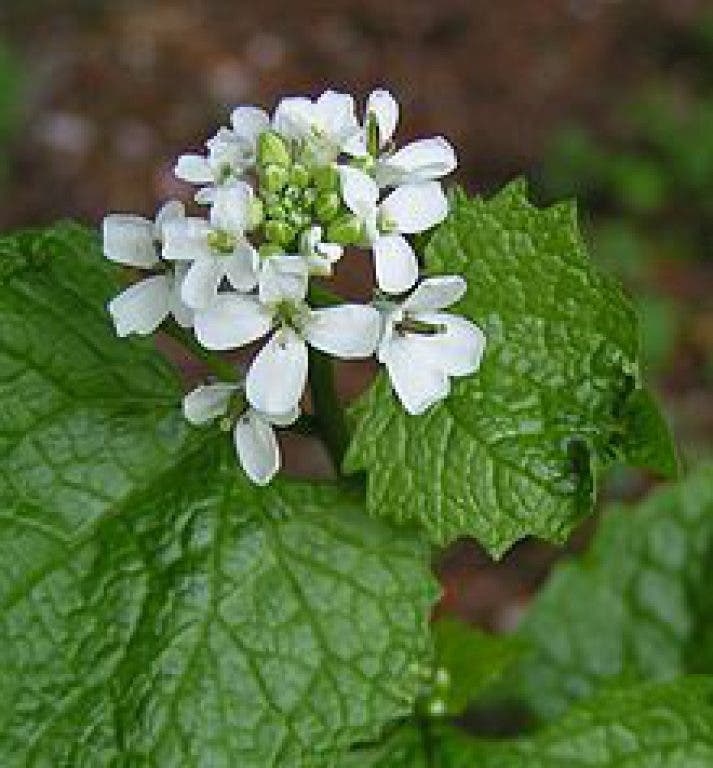

Reston Association is conducting a war against GARLIC MUSTARD! In so doing, there is a bit of a competition going on right now. First of all, do you know what Garlic Mustard is and why it is an issue in our public open spaces? The Garlic Mustard is an incredibly invasive plant taking over the natural areas in Reston. Here is some information provided by RA in a flier on this pest (and, yes, a weed = a pest!).
How does Garlic Mustard spread?
Garlic mustard is self-fertilizing, so a single plant can populate or repopulate a site in just a few short years. The plant has a two-year life cycle and reproductively matures in the second year. Flower stalks elongate in early spring, growing at half an inch per day and dominating the area. Flowers open in April and May, with four petals that form a cross.
Garlic mustard spreads by seeds . Human and animal activity play a part, as seeds stick to boots, clothing, hair, mower blades, vehicle tires, and animal fur. Seeds ripen and disperse between mid-June and late September and can remain viable for up to five years.
How is Garlic Mustard destructive?
Because it has few enemies in Northern Virginia, garlic mustard can completely dominate a forest floor in less than five years by displacing hundreds of native plants, ferns, and wildflowers.
Garlic mustard also damages local insect populations. For example, several butterfly species lay eggs on garlic mustard because it resembles their native "host" plant, but the larvae die because they cannot eat garlic mustard.
The plant contains "allelopathic" chemicals, which are released and inhibit the growth of plants around the garlic mustard. These chemicals are in every part of the plant and prevent native plants and trees from establishing in the same area.
What can we do?
Flowering plants are easy to identify and hand pull. Just grab the plant by the base to ensure you get the roots. They should be removed before seeds are released. Basal rosettes can be removed at any time. If you own a home or townhome, you can start in your own back yard. Look to eliminate any plants along natural area borders first.
Out walking? Carry a plastic bag with you and pull plants as you go. Garlic mustard’s favorite spots are the edges of woods, parking lots, roadsides, trail sides, floodplains, stream sides, and the bases of large trees. Eliminate isolated plants first, then small groups. Isolated plants produce more seeds than those in clumps and are the starting points for infestations. Don’t wade into patches. You’ll do more harm if you spread seeds on your shoes and clothes. Work the edges.
Infested sites require continuous effort over five to seven years. Although every part of the plant is edible and many recipes exist for garlic mustard on the Internet, cooks should take care to use this ingredient in moderation, as it contains arsenic.
Plants on Reston Association property should not be harvested for consumption because herbicides are sprayed in many natural areas to control more virulent invasive exotic species.
To learn more, search for "Garlic Mustard" on www.reston.org. Contact Reston’s environmental staff at 703-437-7658. Author Credit: Eric Weinstein is a writer, healer, and environmentalist who serves on both the Communications and Environmental Advisory Committees. www.HollowReedHealing.com
Now, the contest piece of the Garlic Mustard Challenge: Spring Festival at Walker Nature Center on Saturday May 4, 2013, Reston Association is asking residents to bring in their collected Garlic Mustard plants. Each collection will be weighed. **If you harvest some of this noxious weed prior to May 4, please weigh it at your house and keep track of the amount. Then bring the plant material to the Spring Festival to get credit. Pretty simple!
Happy Picking!! Good luck!