Crime & Safety
Why Officers Seized 440 Pounds Of Cotton At Dulles Airport
Officers seized more than 440 pounds of unprocessed cotton found in three duffel bags at Washington Dulles International Airport.


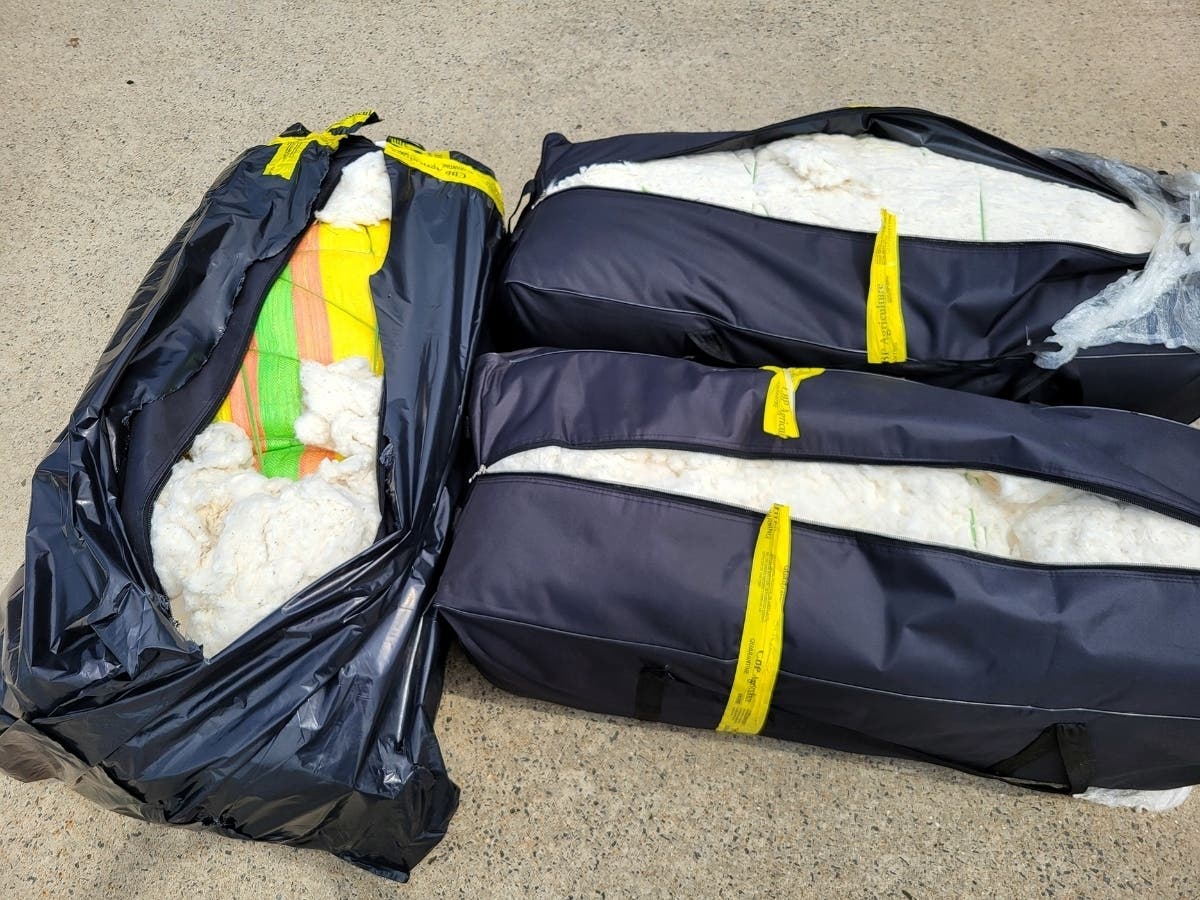
STERLING, VA — Federal agriculture specialists seized more than 440 pounds of unprocessed cotton from a family’s luggage Monday at Washington Dulles International Airport, according to U.S. Customs and Border Protection.
CBP officers referred the family, who had arrived from Afghanistan, for an additional inspection. The travelers told officers they had purchased the cotton from a store and planned to use it to make bedding for themselves.
During the inspection, officers found three large duffel bags filled with unprocessed cotton and asked CBP agriculture specialists to examine the material.
Find out what's happening in Restonfor free with the latest updates from Patch.
Seeds Found In Unprocessed Cotton
The specialists determined that the cotton still contained seeds. Cotton and cotton seeds cannot be brought into the United States without a U.S. Department of Agriculture permit, a phytosanitary certificate and required entry treatments such as fumigation, CBP said.
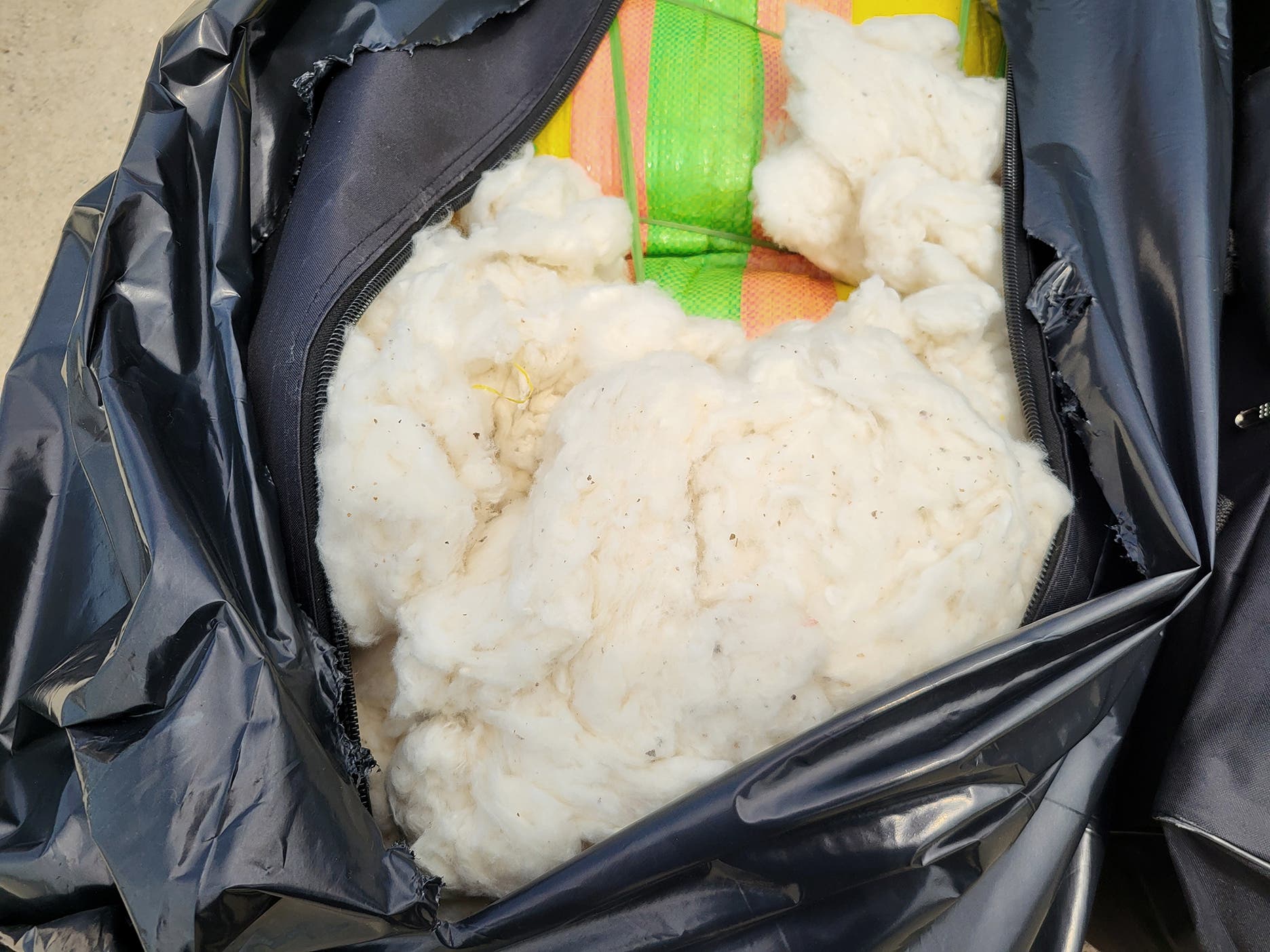
Raw cotton can carry invasive insects, including cotton seed bugs and pink bollworms. Federal officials say those pests could damage the country’s agriculture and textile industries.
Find out what's happening in Restonfor free with the latest updates from Patch.
Agriculture specialists seized the cotton, which weighed slightly more than 440 pounds. The family was released, according to CBP. The agency did not report any arrests or charges.
“It’s important for travelers to know that something that they consider traditional and innocuous may be inadmissible because it could pose a serious threat to our nation’s agriculture and textile industries,” Christine Waugh, CBP area port director for the Area Port of Washington, D.C., said in a statement.
Agriculture Inspections At Ports Of Entry
CBP agriculture specialists inspect international passengers and cargo for prohibited plants, meat, animal products, soil and pests that could introduce plant diseases, foreign animal diseases or invasive species into the United States.
On a typical day last year, specialists nationwide confiscated 4,691 prohibited agricultural items and intercepted 222 insect pests at U.S. ports of entry, according to CBP.
Information about federal agricultural import requirements is available through the USDA’s Animal and Plant Health Inspection Service.
Get more local news delivered straight to your inbox. Sign up for free Patch newsletters and alerts.