Politics & Government
Reston Comprehensive Plan Study Proposes New Guidelines For Development Including Equity
After two years of meetings, the 31-member Reston Comprehensive Plan Study task force released its initial recommendations for review.


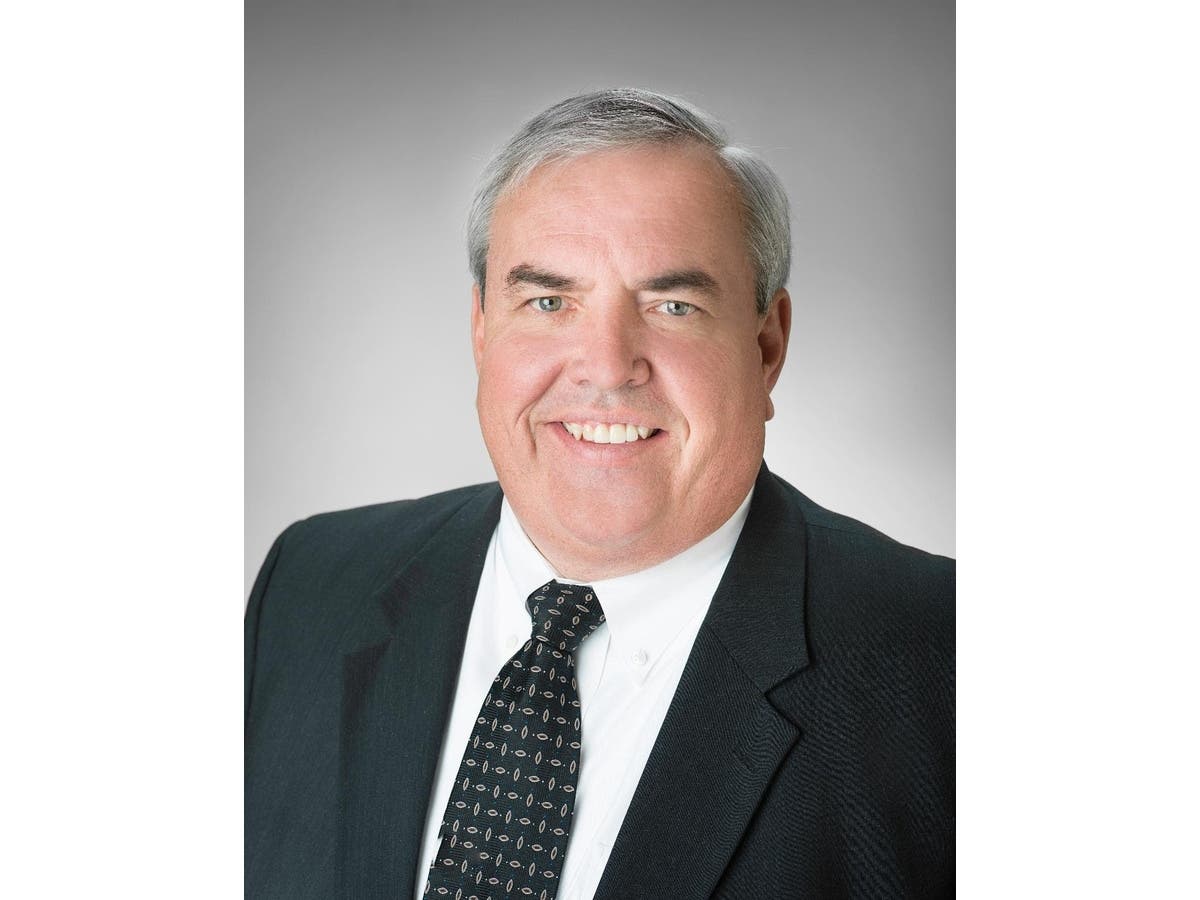
RESTON, VA — It's been nearly 26 months since Hunter Mill District Supervisor Walter Alcorn introduced his first motion at a Fairfax County Board of Supervisors meeting, calling for a review of the Reston Comprehensive Plan.
Alcorn's motion kicked off a series of more than 45 meetings involving a 31-member task force made up of local leaders, community activists and representatives of organizations with an interest in planning and development. The goal was to update the county document that guides future growth in the Reston area for the first time since 2017.
Last week, Alcorn's office released the Reston Comprehensive Plan Study Task Force interim recommendations. The 173-page report is a rough draft of the task force's recommendations for what principles will guide development over the next decade in the planned community founded by Robert E. Simon in the 1960s.
Find out what's happening in Restonfor free with the latest updates from Patch.
The report covers 14 topic areas: planning principles, heritage resources, transportation, public facilities, land use, affordable housing, parks, environmental stewardship, public art, economic development, community health and equity. The final two principles — community health and equity — are something new for planning in Reston.
With the COVID-19 pandemic raging while the task force continued its work, community health became a particular focus.
Find out what's happening in Restonfor free with the latest updates from Patch.
"The task force struck out on some new ground and looked at community health issues as informed by recent events, but also looking at the overall community health and not just physical health but also mental health issues in the community, and how those might be addressed through the comprehensive plan going forward," Alcorn said, during a Thursday morning briefing with reporters.
Although the One Fairfax initiative is designed to promote the creation of more racial and social equity policies in Fairfax County, equity was not part of the formal planning and developing process in the county.
"If we're going to put equity in the comprehensive plan, of course it should be Reston, so that's an area that task force has been looking at," Alcorn said.
The comprehensive plan has touched on issues in the past that have impacted equity, most obvious one being affordable housing.
"This takes this idea to another level and looks at the impacts and potential benefits to different communities in Reston and how those might be considered during the rezoning process and the land use process," Alcorn said.
Both the Department of Planning and Development and Karla Bruce, the county's chief equity officer, have discussed the idea of incorporating equity considerations in the countywide plan, according to Alcorn.
"This is sort of stepping into that arena and looking to see how equity considerations could be explicitly addressed through the comprehensive planning process," he said.
At the beginning of the review process, Alcorn asked county staff to determine what would be Reston's potential population if all of the development already approved in the comprehensive were to be built out. Reston's current population is 61,147 (2019), according to the latest U.S. Census Bureau data.
- 127,909: Reston's estimated maximum population if all non-residential options already in the comprehensive plans were chosen.
- 157,912: Reston's estimated maximum population if all residential options already in the comprehensive plans were chosen.
"These numbers were calculated for transparency purposes and really more as as background information, for the task force as they as they moved through the process," Alcorn said. "I wouldn't call them targets. I wouldn't call them goals."
Instead, Alcorn described the task force's focus more as "tightening up" the requirements developers faced as they moved through the rezoning process.
"I would even call this a cleanup of a few areas in the comprehensive plan where there was density that was not addressed five or six years ago," he said, referring to the last time the plan was updated. "St. John's Woods is one of those places. Also, the older village centers, specifically, North Point, Hunters Woods and South Lakes in the current comprehensive plan, still have some density that was a holdover from literally the 1960s. That is being adjusted to reflect more more closely what's on the ground today."
Another concept the task force considered that's not included in the current recommendations is the idea of earned density.
"One way to think about it is developers should earn their density by perhaps giving back to the community, maybe addressing some of the equity issues that we're just talking about," Alcorn said, during a Wednesday town hall meeting hosted by the Reston Association board of directors. "Another thing that perhaps developers might be expected to do is earn density by more than offsetting their impact on public safety systems."
Under the current plan, developers are expected to contribute to schools, for example, to offset the impact new students who will be attending Fairfax County Public Schools.
"We've already heard from some of the development community concern that any earned density criteria would be a down-planning," Alcorn told reporters on Thursday. "We've also heard from some in the community that it's important for developers to give back to the community and earn their way to the maximums in density in the comprehensive plan."
In addition to the RA town hall, Alcorn and task force members have briefed the Greater Reston Chamber of Commerce on the recommendations. A series of additional town halls have been scheduled over the next month where members of the public can provide feedback on the study.
- Reston Citizens Association, March 7
- Coalition for Smarter Growth, March 14
- Reston Town Center Association, March 14
- Baltimore-DC Building Trades, March 15
- Reston Planning & Zoning, March 21
- Sierra Club Great Falls Group, March 29
Task force members will use that feedback to inform the final report that they'll publish in August. Additional public hearings will be scheduled for September and October when the planning commission and the board of supervisors are expected to review the final report.
"We're hoping to work through all of this and and end up with an updated comprehensive plan for Reston later this year," Alcorn said.
Related:
Get more local news delivered straight to your inbox. Sign up for free Patch newsletters and alerts.