Business & Tech
Anacortes Startup Makes Prosthetic Limbs From Ocean Garbage
An Anacortes businessman has found a way to use some of that plastic floating around the world' oceans.


ANACORTES, WA - Discarded disposable plastic water bottles are an environmental disaster any way you slice it. They're made out of refined oil, and countless empty bottles, caps, and plastic shards end up in that big Pacific Ocean garbage patch - or worse, choking some poor sea creature.
But in Anacortes, an entrepreneur and his family have found a way to put those discarded bottles to good use.
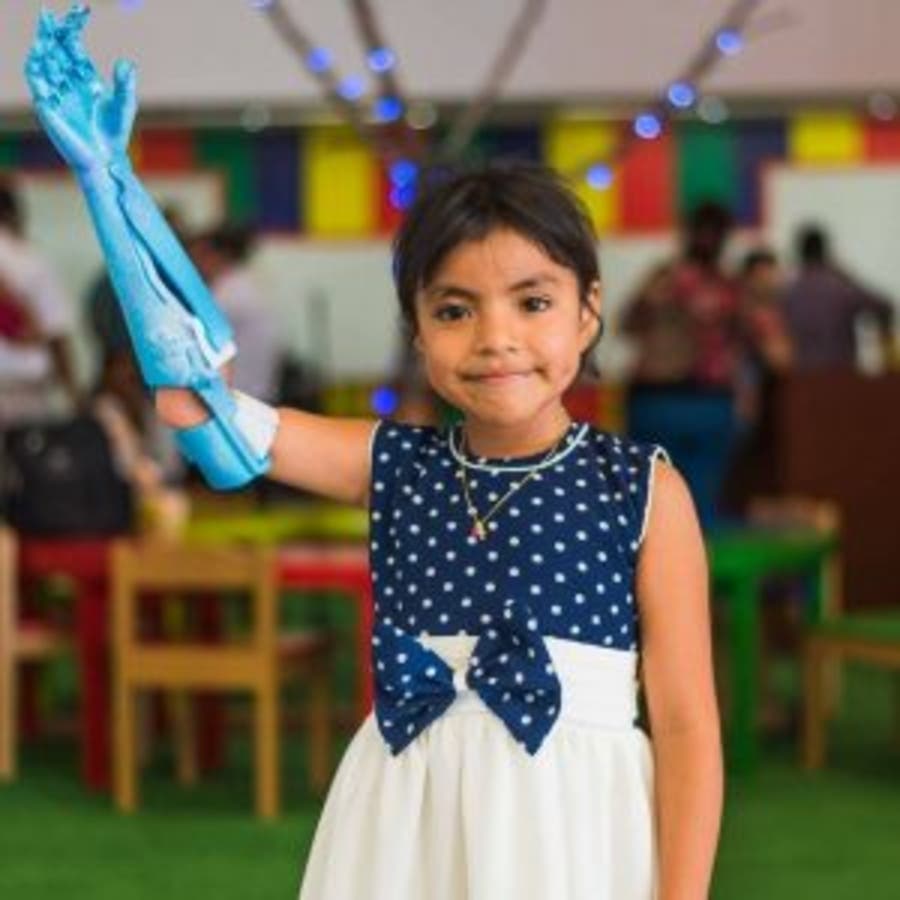
This past Earth Day, Chris Moriarty founded a nonprofit called the Million Waves Project. Moriarty, with the help of his family, literally collects plastic garbage from local beaches to 3D-print prosthetic limbs for kids.
Find out what's happening in Across Washingtonfor free with the latest updates from Patch.
The idea came to Moriarty in the middle of the night. He's enrolled in the University of Illinois’ online iMBA program, where he heard two unrelated but interesting stories: one about a 19-year-old in the Netherlands who invented a machine that scoops up garbage in the ocean; the other about people using 3-D printers to make prosthetic limbs.
"It was a Tuesday night. I woke up and got to thinking about these various things. All of a sudden it just connected," Moriarty told Patch.
Find out what's happening in Across Washingtonfor free with the latest updates from Patch.
Moriarty bought a 3-D printer, asked his wife to help him set up a website, and then set out looking for people who needed prosthetics. Since the Million Waves Project launched, 19 kids have received limbs made of recycled ocean plastic. The nonprofit has helped children as far away as the Philippines and as close as the Seattle area. It takes about 30 plastic bottles and 20 hours to make one limb.
Moriarty's 3-D printer doesn't just take the bottles whole. The bottles have to be cut into pieces and fed into a shredder. Then those shredded pieces have to be shipped to a company (Moriarty has been using an outfit in Vermont) that creates a special spool from the plastic. The 3-D printer uses the plastic spools like a regular printer uses reams of paper.
It takes Moriarty's whole family to do the grunt work.
"We just stroll up and down the beach collecting plastic. We wash it in the garage, spiral cut the bottle, and then feed it through a cross-cut paper shredder," he said.
Soon the nonprofit won't have to do so much labor. Moriarty is waiting on a piece of equipment that will create the plastic spools for him. He also cut a deal with the marine cleanup group Washington CoastSavers. They're going to start giving him the plastic bottles they collect.
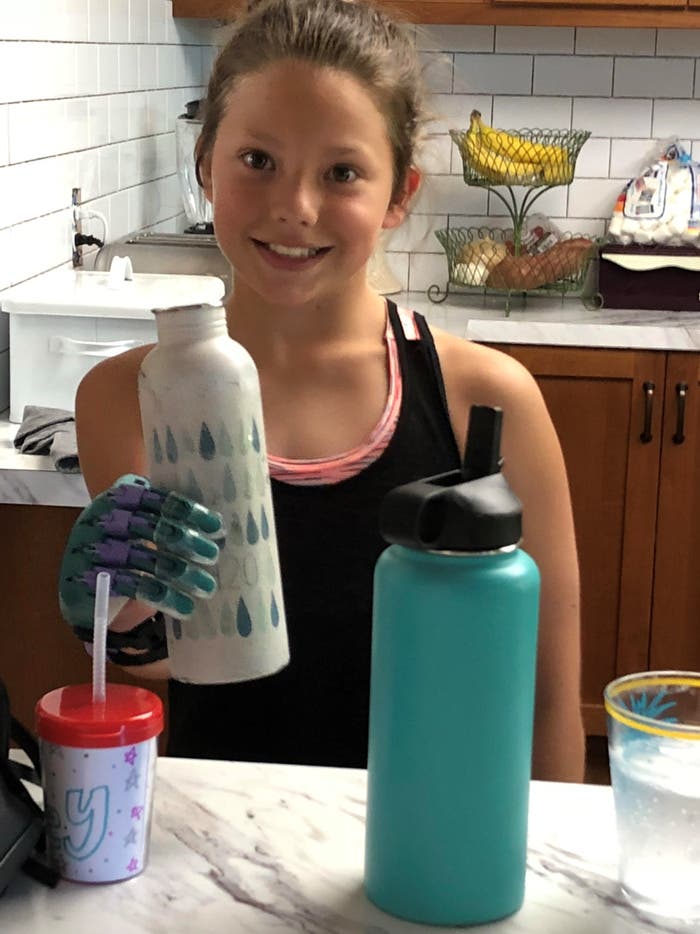
One of Million Waves' first prosthetics went to Abbey, a 9-year-old from Kirkland. Abbey was shy about having a prosthetic hand - until she found out about the one-handed Seahawks linebacker Shaquem Griffin. Now, Moriarty gets videos from Abbey proudly showing off her prosthetic.
Moriarty estimates there are about 40,000 kids worldwide in need of a prosthetic. With 3-D printing technology and plenty of plastic floating around in the ocean, his mission is to bring that number to zero.
"We can all do something. That's really the message and the heartbeat of the whole thing," he said.
Images courtesy Chris Moriarty/Million Waves Project
Get more local news delivered straight to your inbox. Sign up for free Patch newsletters and alerts.