Community Corner
About Town: Rosalie Whyel's Passion For Dolls More Than Child's Play
The unique museum that displays dolls is set to close next March, but plans for an eventful final year.
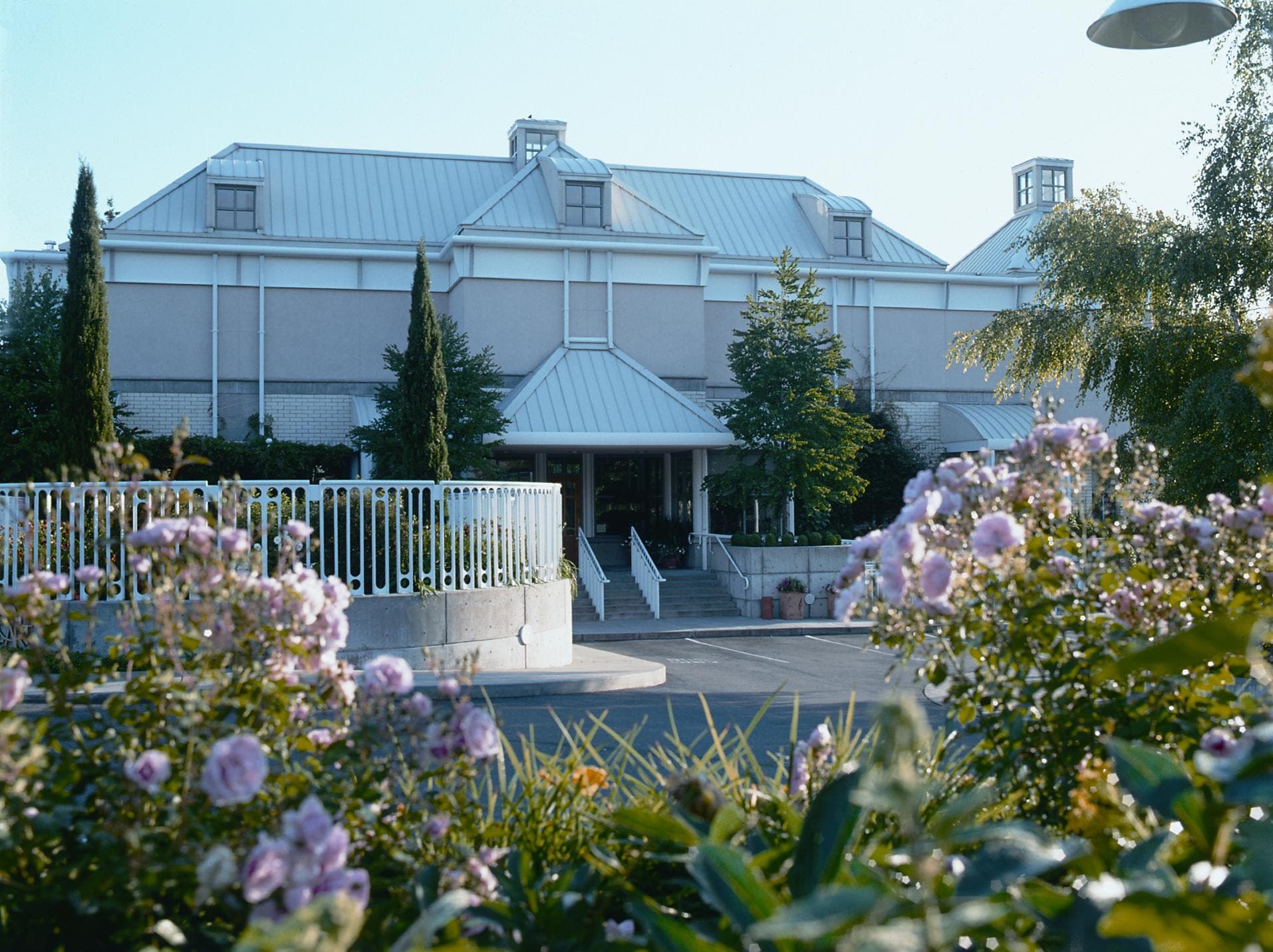

Rosalie Whyel celebrated the 19th anniversary of the Rosalie Whyel Museum of Doll Art by playing with dolls. That’s the best part of sharing her extensive collection of dolls, toys, miniatures, and historical clothing with the public. She plays with fun things every day.
Alas, the museum at 1116 108th Ave. NE in Bellevue won’t celebrate a 20th anniversary. Whyel of Bellevue will close the museum March 1, 2012. The Victorian-style, 13,500 square foot building is for sale.
Whyel decided to close so she could spend more time with her family and seven grandchildren. Several years of low attendance contributed to the decision.
Find out what's happening in Bellevuefor free with the latest updates from Patch.
“Museums all over the world have seen a decrease in visitors since 9-11,” she said. “There are 13 fewer doll museums now than there were three years ago.”
There were 45,000 visitors to the museum the first year it was open. She thought that was pathetic at the time. Last year’s attendance was 10,000.
Find out what's happening in Bellevuefor free with the latest updates from Patch.
“More people are coming now since word has been getting out we’re closing,” Whyel said.
One contributing factor, she believes, has been the explosion of computer use in the home. Families send their kids to computers to learn history instead of taking them to museums. She’s saddened by that aspect of life today because, she said, “you can’t replace the real thing with a flat screen.”
Tourism has decreased locally and sadly tour group operators expect Whyel to pay them a fee if they include the museum on a city tour.
Although it is called a doll museum, the collection encompasses much, much more. It includes toys as well as dolls from prehistoric time through the 20th century. Visitors are encouraged to open drawers under the exhibits throughout the two-story museum. Tucked inside the drawers are toys, clothing and other related items that won’t fit in the display cases.
Sometimes Whyel will find a husband sitting in the lobby, waiting for his wife to finish looking at the displays. She often makes a deal with them – she offers to refund the price of admission if they join their wife on the tour and don’t like. She hasn’t given a husband refund yet.
“One man actually signed up and became a museum member afterward,” she said.
A visitor can watch the aging of John Wayne through assorted cowboy and he-man dolls. Star Wars fans or Toy Story fans will find fascinating memorabilia. Generations who grew up watching Shirley Temple movies will discover Shirley Temple dolls and Shirley Temple dishes. There’s Barbie, Ken and G.I. Joe in various forms. The French fashion display explains how dress designers used to send dolls with trunks of new clothes to show American buyers the latest styles.
Part of the museum is devoted to changing exhibits – 60 of them since it opened. Because of her strong sense of historical preservation, Whyel documented 59 of the exhibits. She can be excused for missing one – it was the opening exhibit after 2 ½ years of intensive effort to get the museum built and opened.
The collection features ethnic components that represent all world cultures including Native American. For instance, Whyel has dolls that represent more than 50 American tribes that show historical clothing and hairstyles. Whyel has created a traveling ethnic doll show that she shares with schools. It is popular because of the cultural diversity in the area.
“I get feedback from the teachers about how much it means to kids to see a doll representing their own cultural background,” Whyel said. “Kids sometimes have a hard time developing self esteem when they’re not able to identify with their culture but dolls can help bridge that.”
The Museum and Whyel have won numerous awards over the years including a prestigious “Jumeau Award” from the World Congress of Dolls for the Best Private Doll Museum Worldwide, the United Federation of Doll Clubs “Award of Excellence for Preservation of Dolls” and the Bellevue Chamber of Commerce awards for “Business Innovation” and “Tourism.”
The years have passed so quickly, Whyel said. The only way she’s really kept track has been watching her family grow. Her oldest grandson was a few months old when the museum opened in 1992. That grandson is now a student at the University of Cincinnati.
Other than computers, children are still children she said. She sees a resurgence of dolls and children playing with them. And dolls, she said, aren’t just a girl thing. Boys and girls both play with them and that’s a good thing for society.
“Playing with a doll teaches our children how to care for something, how to nurture something,” she said.
Picking out favorite dolls in the collection would be like trying to pick out your favorite child in the family, Whyel said.
She’s always touched when she knows the stories behind her dolls. One comes from the time of the Great Chicago Fire in 1871. A mother managed to get her family and the household servants out of the home ahead of the raging fire and get them to safety. Although the family lost everything, someone gave the daughter a doll. The doll’s history was documented over the years before Whyel acquired it.
That’s one piece of advice she would like to give to any doll owner.
“If you have a family doll, write your story about the doll, where you got it, where it has been, what it means to you,” she said. “Keep the history and the original things with it because one generation later, people won’t know what it means or what it is if someone doesn’t document it.”
Whyel has taken her own advice when it comes to the collection. That’s one good thing about computers, she said. She has computer records on every piece in the collection.
Whyel remembers being on part of a panel discussion about doll museums back in the 1990s in France.
“I thought that if you love and work enough at it, a museum can be financially successful. Other people on the panel didn’t agree and in one way they were right,” she said. “But I’ve changed my mind about what success is.
“Success is presenting and sharing dolls and toys and history and making people feel welcome and educating people about dolls. I’ve done that. I’ve made wonderful friends in the process and it has been fun.”