Neighbor News
Curtis Swanson, COO at ClearCyte, on cancer implications for 2018
Curtis Swanson, a Bellevue, Washington-based cancer screening specialist, discusses implications for cancer research in 2018.
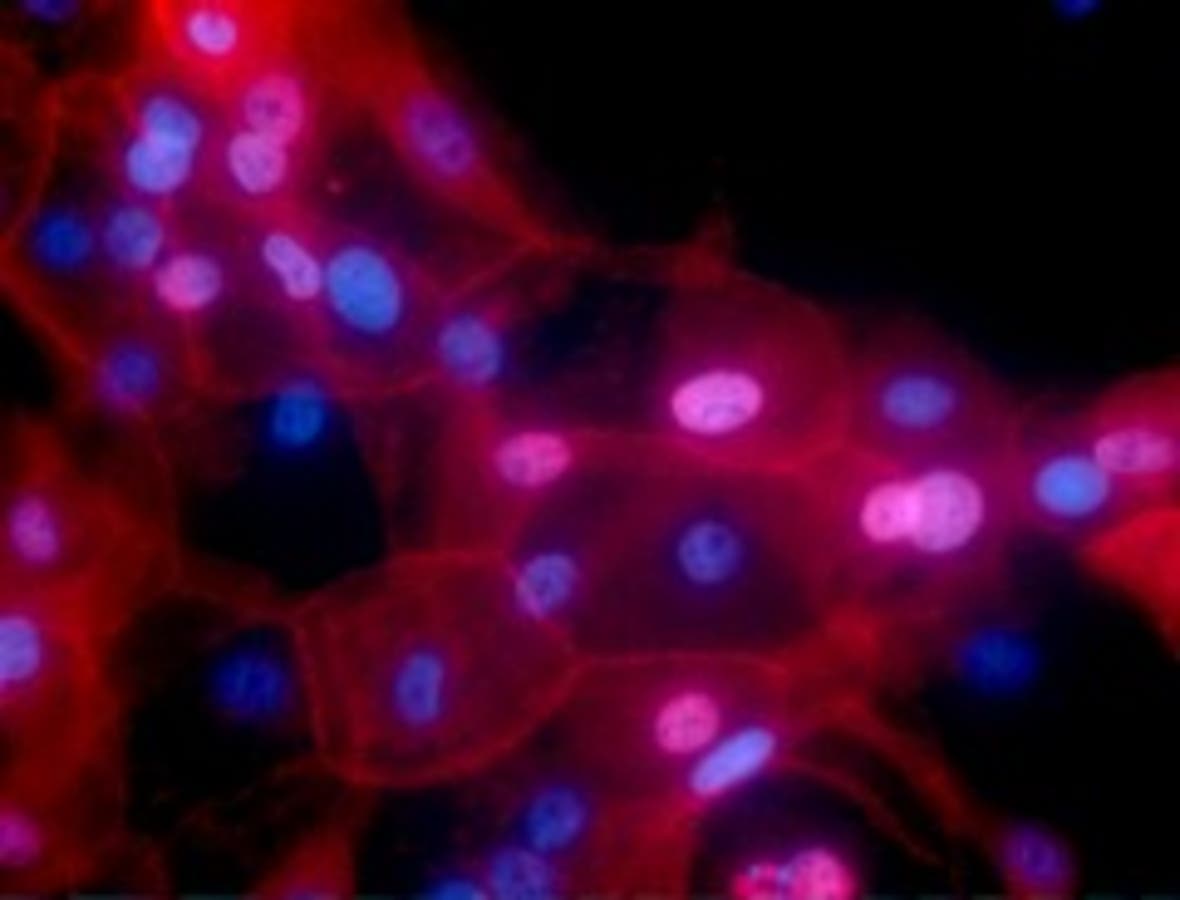
With 2017 behind us, a whole new set of cancer research implications sits on the horizon for 2018 and beyond. Thanks to continued breakthroughs in this research, we sit on the cusp of achieving new and more effective ways of treating this deadly disease, but progress remains a game of inches.
A variety of specialty physicians were recently asked to make predictions regarding what will have the greatest influence in their field during 2018. CAR T-cell therapies were approved in 2017, and there was clarification concerning drugs attacking tumors and targeting immune cells. All oncologists contacted spoke of immunotherapies, but dramatic improvements were not expected.
Doctors Express Their Opinions Regarding Clinical Cancer Research
The University of Michigan’s Dr. Daniel Hayes believes oncology’s biggest issues are the advancements in precision medicine and immunotherapy, and targeting new drugs to be more precise in the treatment of cancer.
Find out what's happening in Bellevuefor free with the latest updates from Patch.
The University of Utah’s Dr. John W. Sweetenham feels the evaluation of immunologic therapies impact regarding CAR-T cell therapy and checkpoint inhibitors presents the biggest issue for cost and outcome.
The University of Colorado’s Dr. Ross Camidge stated it was the medical and financial costs of immunotherapy in lung cancer.
Find out what's happening in Bellevuefor free with the latest updates from Patch.
Emory University’s Dr. Sagar Lonial feels the issue is the pairing of genomic sequencing and subtyping data with immunotherapy. Separately the effectiveness is low, but paired may lead to much better results.
Weill Cornell Medicine’s Dr. Howard Alan Fine believes the issue is in neuro-oncology, malignant gliomas and immunotherapeutic strategies. There are trials being conducted regarding immunotherapeutic strategies, and the data suggests this particular approach may be efficient for brain tumors. There is more translational and basic research required before patients will be able to benefit from this research.
Memorial Sloan Kettering Cancer Center’s Dr. Sidney Winawer believes it is extremely important the American Cancer Society, or the ACS, reach the goal set to screen eighty percent of all Americans in 2018 for colorectal cancer. He additionally believes during the next two decades this has the potential to save roughly 200,000 lives.
The University of Colorado’s Dr. David Crawford feels family practice physicians must start acting regarding the risks for prostate cancer. This is when a 1.5 [ng/mL] PSA cutoff is indicated.
New York University’s Dr. Herbert Lepor believes prostate cancer can be better defined by using both genetic and molecular testing.
Carolinas Healthcare’s Dr. Ed Kim feels a balance must be found between making drugs for cancer more effective, and the continuously uprising cost for these drugs.
Carolinas Healthcare’s Dr.Derek Raghavan feels oncology’s biggest clinical issue is finding a way to enable oncologists to provide the best possible care for the under-insured and the indigent in healthcare’s political environment.
About the author
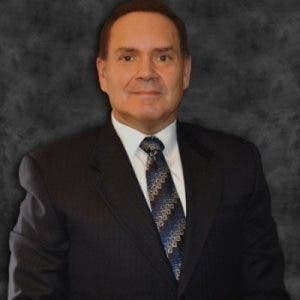
Curtis Swanson is the COO of ClearCyte Diagnostics, a cancer screening company in Bellevue, Washington dedicated to the international marketing of medical screening to a wide range of markets. Additionally, he has experience in corporate finance, mergers and acquisitions, accounting GAAP & FASB, and business operational management. Throughout his career, Curtis has proven himself as a leader, innovator, and developer.
Learn more about Curtis Swanson here.