Neighbor News
Curtis Swanson, COO at ClearCyte, on Cancer Screening Basics
Curtis Swanson, CEO of ClearCyte Diagnostics in Bellevue, gives a brief overview of the cancer screening process.
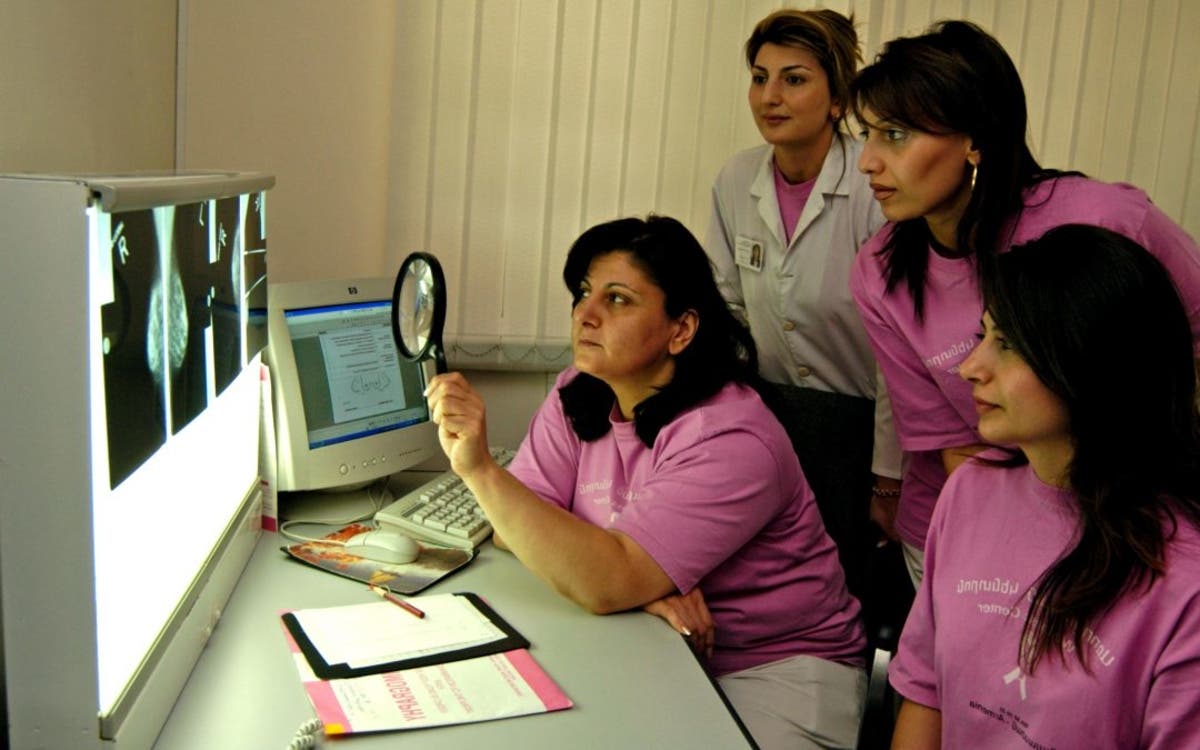
Cancer screenings can help stop cancer from becoming a life-threatening problem. Screening approaches can vary, but they mutually strive to identify cancer before symptoms arise in the individual being screened.
Here are a few basic points of interest pertaining to modern cancer screening.
An increasing need
The need for cancer screenings has increased over the years, mirroring the growing amount of various cancers nationwide. Screenings can vary in terms of when they should be pursued. Colon cancer screenings, for instance, typically do not begin to become relevant until a patient is in his or her early 50s.
Regardless of the type of screening, it is important to assess your cancer risk levels (based on family history, environmental risk factors, and other potential contributing variables) and schedule screenings as needed.
Knowing the types of testing
As alluded to earlier, there are several different approaches to cancer screening — most of them depend on the type of cancer that is being searched for, and even then, the methods are subdivided depending on the given scenario. For example, there are numerous different styles of screening linked to breast cancer alone, including mammograms and magnetic resonance imaging exams (MRIs). Communicate with your doctor and make sure you research the screening you will be undergoing — this way, you will eliminate the risk of surprise or discomfort on the actual day of the screening.
Cancer screening can even be self-applied, again depending on the type of cancer being searched for. Conditions such as breast, testicular, and skin cancer can be potentially be identified through self-testing methods that you can easily perform in the privacy of your own home. These measures can subsequently lead to a crucial doctor’s appointment that leads to further screening and professional insights to potential cancer.
Setting a basis for the future
Once screening results are collected, a patient will hopefully benefit from the process in one of two ways: they will either gain peace of mind as a result of knowing they are cancer free, or they will gain a step up on a discovered cancerous area and develop a basis for how to combat it (assuming the cancer has been caught early enough to begin preventative treatment).
If the former scenario occurs and all is well with the screening results, be sure to keep in touch with your doctor on the matter, and convey any concerns or anxieties you may have about future screenings and results. This dialogue will keep the process as personal as possible and will give your doctor a better idea of how to handle future screenings, as well as the potential for positive results down the line.
About the author
Find out what's happening in Bellevuefor free with the latest updates from Patch.
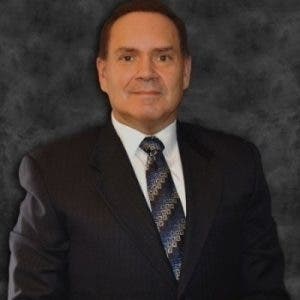
Curtis Swanson is the COO of ClearCyte Diagnostics, a cancer screening company in Bellevue, Washington dedicated to the international marketing of medical screening to a wide range of markets. Additionally, he has experience in corporate finance, mergers and acquisitions, accounting GAAP & FASB, and business operational management. Throughout his career, Curtis has proven himself as a leader, innovator, and developer.
Learn more about Curtis Swanson here.