Neighbor News
Curtis Swanson, COO at ClearCyte, on Cancer Screening Myths
Curtis Swanson, CEO of ClearCyte Diagnostics in Bellevue, provides answers for a few common cancer screening myths.
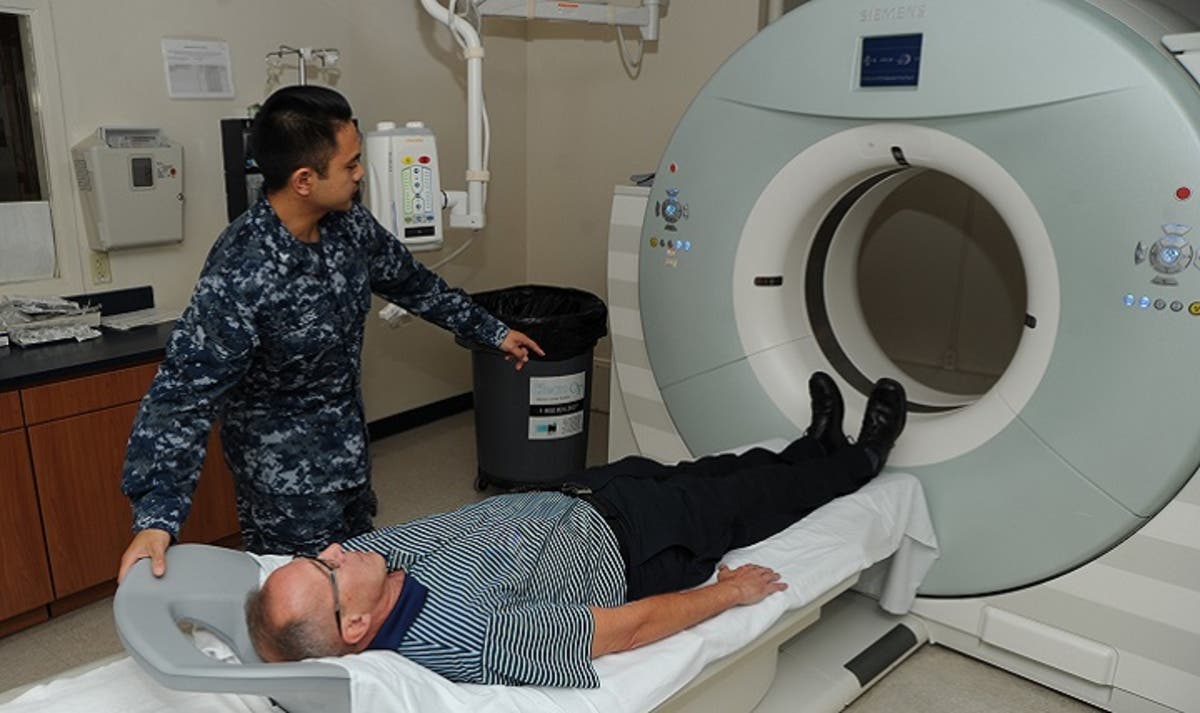
Cancer screening can be incredibly instrumental in identifying underlying cancers and ultimately save lives. However, this process is also one that can only begins with an individual’s decision to be screened in the first place.
Despite the importance of regular screening, a variety of myths have surfaced about it over the years, leading some individuals to forgo it entirely and potentially put themselves at a higher risk for cancer-related death.
Here are a few common myths surrounding cancer screening — and the ways in which they are mostly false.
“A mammogram can cause breast cancer to spread”
Some women avoid scheduling regular mammograms for fear that the screening itself will make an underlying tumor grow quicker. In reality, these claims are unfounded. Mammograms actually remain the “golden standard for early detection of breast cancer,” according to the National Breast Cancer Foundation. Nothing about the mammogram process can cause pre-existing cancers to spread, including breast compression (a common false culprit for cancer growth associated with this misconception).
Find out what's happening in Bellevuefor free with the latest updates from Patch.
It is important not to splice the risk with the cure when considering breast cancer; this will only make you more susceptible to this type of cancer in the long run.
“If I quit smoking, I no longer need to be screened for lung cancer”
Smoking is one of the leading causes of lung cancer, and lung cancer is regularly regarded as one of the deadliest forms of cancer. Therefore, anyone with a smoking background, past or present, should strongly consider regular lung cancer screening. Some smokers feel that once they have quit the habit all together, their need for screening vanishes just like their cravings. However, regular screening is vital for these individuals, as past smoking has already increased their risk for developing the disease.
“I do not need to be screened for colon cancer because it does not run in my family”
Many cancers are genetic, and certain individuals have a higher risk for certain cancers as a result of their family history. Colon cancer is not typically one of these cancers. Cancer as a general condition does not necessarily discriminate in terms of who it impacts, but colon cancer is actually known for striking those who have no history of the disease at all. Therefore, genetics and family history are essentially irrelevant when it comes to colon cancer screenings. Schedule a screening as soon as possible if you are over 50 — this will be a wise decision, regardless of who you are.

About the author
Find out what's happening in Bellevuefor free with the latest updates from Patch.
Curtis Swanson is the COO of ClearCyte Diagnostics, a cancer screening company in Bellevue, Washington dedicated to the international marketing of medical screening to a wide range of markets. Additionally, he has experience in corporate finance, mergers and acquisitions, accounting GAAP & FASB, and business operational management. Throughout his career, Curtis has proven himself as a leader, innovator, and developer.
Learn more about Curtis Swanson here.