Neighbor News
Curtis Swanson, COO at ClearCyte, on Cancer Screening Methods
Curtis Swanson, COO of ClearCyte Diagnostics in Bellevue, Washington, discusses effective cancer screening methods.
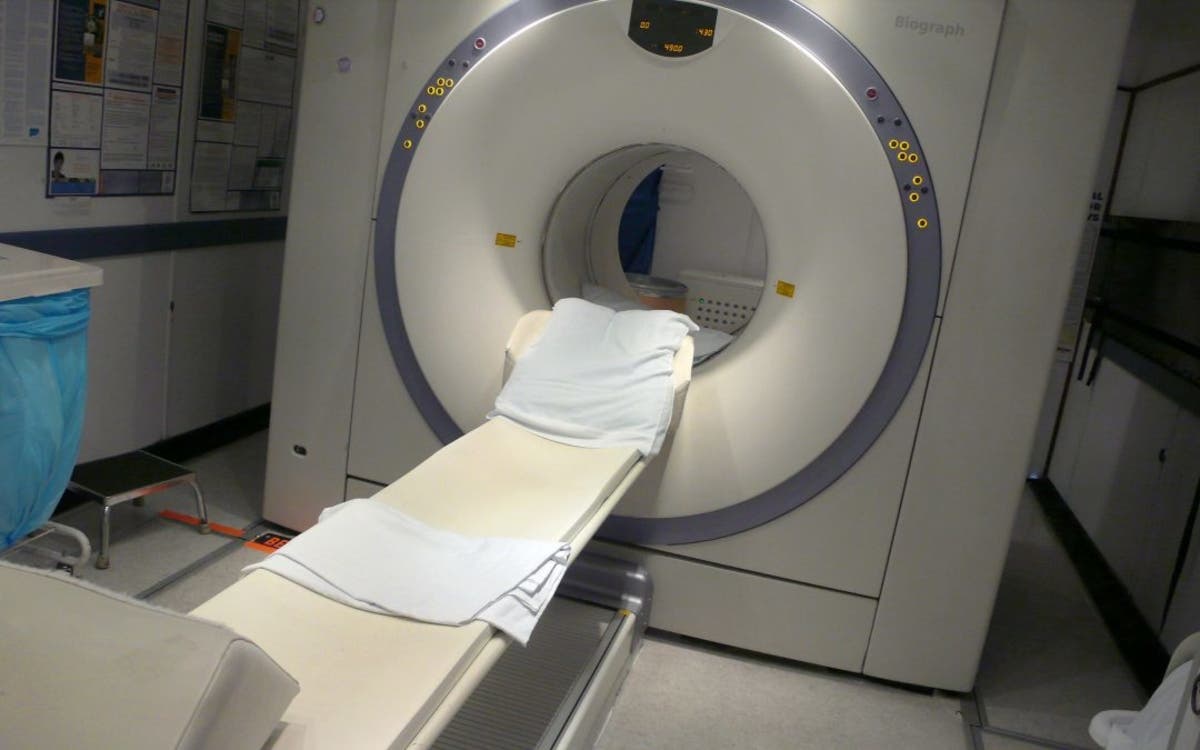
When it comes to cancer, early detection is key. Cancer screening allows doctors to identify many different types of cancers -- in many cases before they have metastasized into a bigger problem -- though the style of this process varies in terms of the type of cancer in question.
There are many different types of cancer screening methods, but here are a few approaches that are consistently found to be especially effective in minimizing cancer deaths.
Colonoscopies
Colon cancer is consistently regarded as one of the deadliest cancers on record, holding a 34.9 percent mortality rate. As a result, testing for this form of cancer has become a clear focal point within preventative efforts. The most common way to be screened for colon cancer is by means of a colonoscopy, a method in which a doctor “inserts a flexible, lighted tube called a colonoscope into the rectum” to check for cancerous tumors. Though the process is fairly involved and requires a specific pre-exam eating regimen, the peace of mind it provides is well worth the effort.
HPV tests
Recent breakthroughs in research on the Human papillomavirus (HPV) have given way to stronger, more efficient means of screening for cervical cancer (which is caused by the virus). This type of testing, which entails the removal and analysis of cervical cells, is recommended to be pursued between the ages of 21 and 65, and continues to be a prevailing asset in the fight against cervical cancer.
Mammographies
This common breast cancer screening technique has been found to reduce breast cancer mortality in women between the ages of 40 and 74, especially those who are 50 and older. The tests themselves are advanced x-ray techniques capable of producing images (mammograms) that illustrate the presence of tumors or other potentially harmful masses.
CT scans
Like colon cancer, lung cancer has gained notoriety as one of the most lethal cancers currently known to mankind (it claims roughly 29 percent of all cancer deaths annually). To combat this devastating disease, Low-dose helical or spiral computed tomography scans (CT scans) are implemented to detect lung cancer tumors as early as possible. A typical CT scan “creates “a three-dimensional picture of the inside of the body with an x-ray machine.” Then, computers combine these images to create a detailed cross-sectional image that comprehensively displays any tumors or other abnormalities present in the lungs.
Find out what's happening in Bellevuefor free with the latest updates from Patch.

About the author
Curtis Swanson is the COO of ClearCyte Diagnostics, a cancer screening company in Bellevue, Washington dedicated to the international marketing of medical screening to a wide range of markets. Additionally, he has experience in corporate finance, mergers and acquisitions, accounting GAAP & FASB, and business operational management. Throughout his career, Curtis has proven himself as a leader, innovator, and developer.
Find out what's happening in Bellevuefor free with the latest updates from Patch.
Learn more about Curtis Swanson here.