Arts & Entertainment
A Journey Worth Leaving Behind
While the band once inspired near-Beatlemania, the Journey I saw in 1983 is gone, and this final tour won't bring it back.


“And a headstrong stubborn man
Only works it out the best he can”
— Journey, “After the Fall”
Find out what's happening in Fife Heightsfor free with the latest updates from Patch.
I remember being impressed when my aunt told me she had seen a Beatles concert in New York City. One does not have to be a fan of their music to recognize their impact on rock music and popular culture. I imagined it must have been extraordinary to witness one of their live performances.
Unfortunately, my aunt did not share my enthusiasm. What stands out in her memory is that her seat was behind a column. She also remembers that she could not hear a thing over the roar of the crowd. I had always assumed that was part of the experience.
Find out what's happening in Fife Heightsfor free with the latest updates from Patch.
In my many years of concert-going, only two bands have approached the level of crowd hysteria I associate with the Beatles. The first was Journey at the Nassau Coliseum on May 8, 1983. The band’s previous album, Escape, had made them rock superstars. On the Frontiers tour, they were still riding that wave.
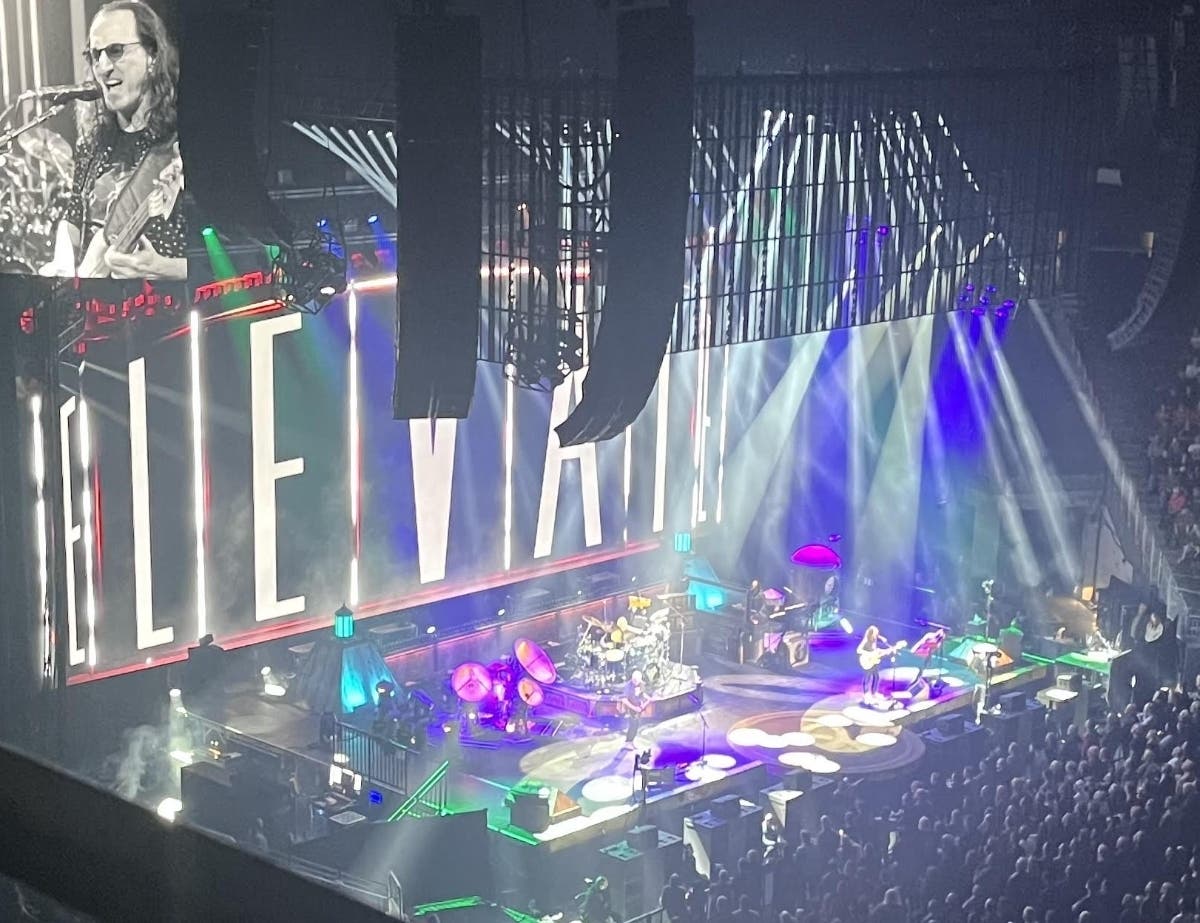
It was my first experience of video screens being used in a concert, and I loved how that meant the band's faces were clearly visible to those in the back of the arena. Even those of us sitting on the side of the stage were given an enhanced view with our own screens; not an easy task, since these were projections rather than the digital displays used today.
The lead singer and resident heartthrob, Steve Perry, would send the crowd into a frenzy every time he appeared on screen. Thanks to the considerable improvements in concert sound technology since the Beatles were touring in the 1960s, the band remained audible over all that adoration.
Just a few years later, in October 1986, any resemblance to Beatlemania had disappeared. Journey's fame was still strong enough to sustain three nights at the Brendan Byrne Arena, but the reaction was not as intense. The fans reacted positively to the band as they played, but without the same passion.
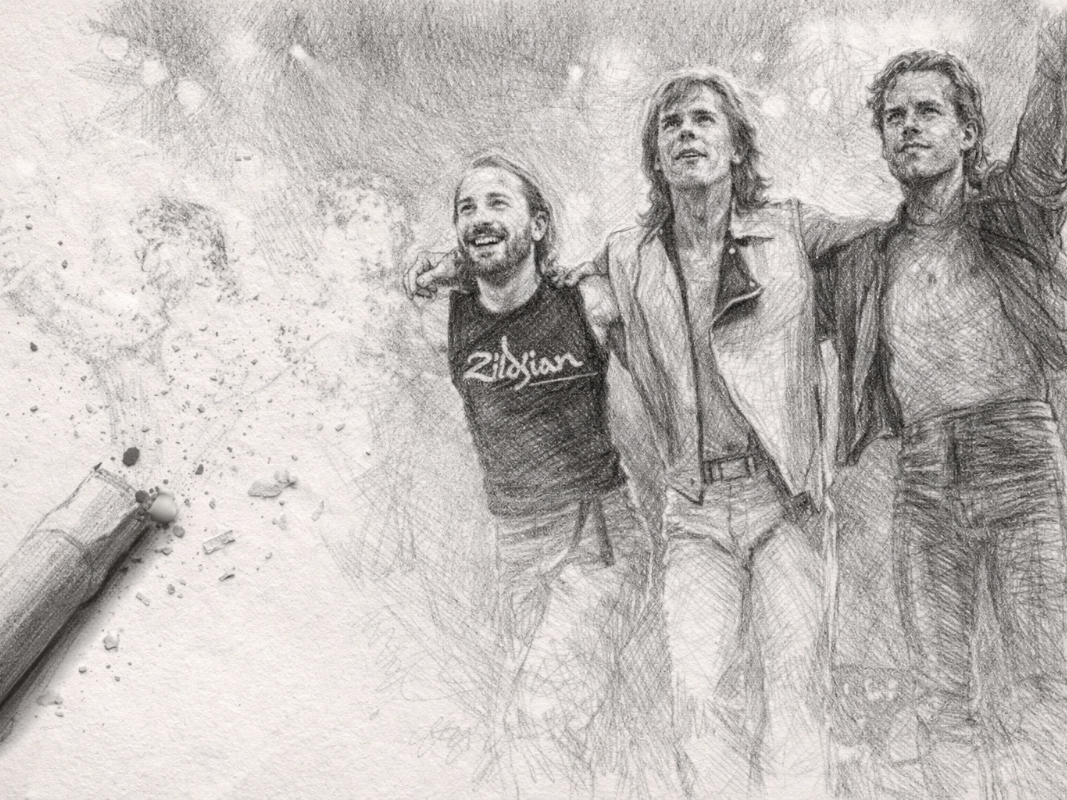
This change in energy may have had its roots in the lineup of musicians onstage. Fresh off the platinum success of his solo album, Perry had demanded more control as a condition of returning to the band that had launched his career. With this newfound power, he pushed out founding bassist Ross Valory and drummer Steve Smith, whose jazz-infused grooves helped define the band’s signature sound on songs like “Don’t Stop Believin’.”
Replacing the rhythm section on the Raised on Radio tour were two veteran hired guns, future American Idol judge Randy Jackson and Mike Baird, whose touring credits included Billy Idol, Hall and Oates, and Rick Springfield. For the most part, they performed the songs as they were written, but the chemistry was not the same. For the previous two albums, Journey had been a brotherhood enjoying the rise to stratospheric success together, and that bond had now been broken.
It was not just the reaction to their live performances that was affected by the lineup change; album sales were the lowest since the band’s initial releases in 1975 and 1976. The band went on hiatus at the end of the tour, with Perry officially leaving in 1988.
It would be almost a decade before the band played together again. Reuniting the Escape/Frontiers lineup, including the previously dismissed rhythm section, Journey missed the opportunity to return to single‑word album titles, naming their 1996 release Trial by Fire. However, this lineup never had the chance to reconnect with audiences onstage; Perry’s recovery from a hip injury delayed the start of the tour, and the band ultimately chose to move forward without him.
Having already lost interest in the band, the reunion never really registered with me. I did not follow the band in the intervening years and never really thought about seeing them again. However, seeing them was on my wife’s wish list of bands she had never seen. When they announced a 2020 tour with the Pretenders, I bought her tickets for her birthday.
Unfortunately, the world got in the way.
With the COVID-19 pandemic sweeping the world, Journey and the Pretenders were never able to embark on their tour. Unlike most other bands during that period, they cancelled the concert dates instead of postponing them and provided their fans with immediate refunds.
The disappointment of not being able to see a show I had been looking forward to was repeated many times during that difficult year, but this one was made easier by the fact that I was already regretting my ticket purchase. Shortly before the cancellation, the band fired Valory and Smith, this time over a business dispute.
Earlier this year, Journey embarked on its “Final Frontier” tour, which they say will be their last. Valory and Smith are still out. Keyboardist Jonathan Cain teased the possible participation of Perry in some form, but later admitted that this was a lie. So fans are getting only two‑fifths of the classic lineup, and the remaining members have been battling each other in court for years. This does not seem like a recipe for a return to form. The days of a Beatlemania-type response to them from the crowd are likely to remain in the past.
As much as I would like my wife to have the opportunity to see Journey live, the band playing this tour is a shell of what I experienced about forty years ago. I will be taking a pass, even knowing that this might be the last opportunity. It is a journey that no longer feels worth taking.
Carl Petersen is a former Green Party candidate for the LAUSD School Board and a longtime advocate for public education and special needs families. Now based in Washington State, he writes about politics, culture, and their intersections at TheDifrntDrmr.