Health & Fitness
Comeback Strategy for Knee Pain
Knee pain is a common problem wherein people seek a health professional. This short blog post will assist you in getting back to your activity again.
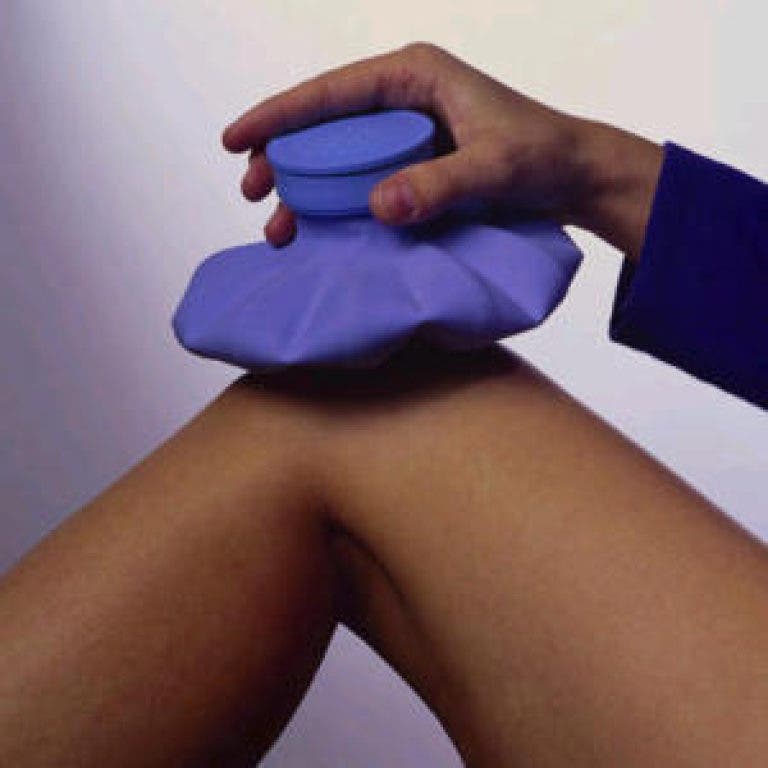
Knee pain is perhaps one of the most common reasons an athlete seeks healthcare assistance. Repetitive trauma and overuse of is a major factor in contributing to its occurrence. Structural abnormalities can make the problem worse.
How Does It Happen?
The knee consists of intricate structures that distribute forces from the ground up through the body, as well as from the body down to the leg. Hence, there are many reasons and causes for knee pain, and the pain can be located at several areas throughout the knee.
Majority of knee pain usually comes from some place else. For instance, if one has a tight quadricep muscle or hamstrings, tight iliotibial band (rubber band like muscle that runs on the side of your outer thigh or upper leg), hip flexors or weak hip rotators - all of this can contribute
Find out what's happening in Gig Harborfor free with the latest updates from Patch.
It Hurts Where?
Front of Knee
- Above the knee pain is most often from the quadriceps muscle strain and inflamed tendon. Usually from poor squatting technique.
- Below the knee pain can be the patellar tendon which connects the lower leg to the knee cap.
- Under kneecap pain results from arthritic changes.
Back of Knee
Find out what's happening in Gig Harborfor free with the latest updates from Patch.
- Pain is often due to poor joint mobility, hamstring or calf muscle tendon involvement.
Inside of Knee
- Can be tendinitis or Medial Collateral Ligament (MCL runs on the inner side of your knee) strain or meniscus injury.
Outside of Knee
- Usually the Iliotibial Band (IT Band) which runs along the outer portion of your upper and lower leg. It can also be a ligament or meniscus injury.
Who's at Risk?
Athletes are at risk for knee injuries (runners, cyclists are common). Explosive athletes (basketball players, football players, skiers), and of course anyone who participates in any repetitive, movement-based activities.
In addition, adolescents and young athletes that are into sports are at risk. Females and taller people are more susceptible to knee pain. As with people who have poor strength.
Symptoms
- Redness, intense pain, and inflammation at site of injury
- Pain when walking up and down the stairs OR getting up/down in a chair
- Painful movement
- Locking feeling, clicking, or "giving way"
Initial Treatment
- Ice for 15-20 mins, 3-4 times a day
- Compression of knee joint to stabilize area and help reduce swelling
- Natural anti-inflammatory joint supplement
- Rest until pain subsides
- Elevate at night
See a health care professional if pain is severe or does not subside or is affecting your activities of daily living
Comeback Strategy
Of course, let pain and tolerance be your guide. If the movement "does not feel right" then do not force it. Gradually increase your activity, frequency and intensity of your training. Coming back to early might make the injury worse than it already is. So, go through the movements that you perform in your particular sport or activity without pain before returning to action. As always, apply ice packs 15-20 minutes after your activity.
Incorporate these exercises into your comeback strategy:
How to Avoid Knee Injury
Do not increase the frequency, intensity of your workouts by more than 5-10 percent each week. Wear protective gear to protect the knees. Of course, if it hurts do not perform the movement. Got it? Good!