Health & Fitness
Good Nutrition: What Is It?
Practical tips for nutritious and delicious home-cooking.
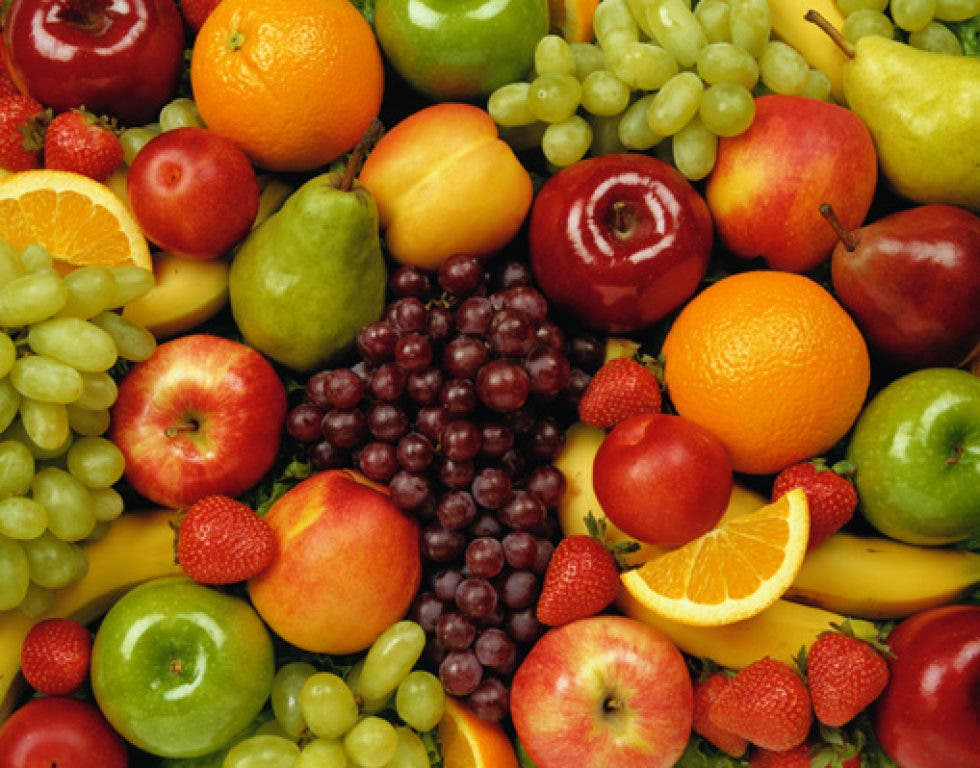


Do you ever think about why you eat? An easy answer would be that you are hungry. Sometimes you eat because you are happy or sad. Or maybe you eat because the time on your clock tells you that you need to eat.
Aside from the physical or emotional aspects of eating, do you ever think about why you need to eat? Not just eat any type of food, but healthy nutritious food?
Here are some practical tips for nutritious and delicious home-cooking.
Find out what's happening in Gig Harborfor free with the latest updates from Patch.
Keep it Green
A substantial amount of research shows that people who eat a plant-based diet that includes – fruits, vegetables, and legumes – live longer and enjoy better health than people who eat animal-based foods.
Find out what's happening in Gig Harborfor free with the latest updates from Patch.
Many cultures develop their cuisines around plant foods out of necessity. Traditionally, animal products are considered to be expensive. Asian cultures, Mediterranean and Latin American cultures are known for mixing plant foods with lean protein (fish, chicken) and monounsaturated fats (nuts, olives).
Mediterranean Style Diet Has Been Found to Be Responsible For:
- Reducing heart disease
- Lowering Parkinson’s disease
- Protecting you from Alzheimer’s
- Longer life expectancy
- Relief from Rheumatoid Arthritis
Tips to Get Creative with “Going GREEN”:
- “If it grows together, it goes together.” For example, romesco sauce is a sauce originating from Spain. It is typically made of almonds, pine nuts, roasted garlic and red peppers. One can mix this sauce with grilled vegetables.
- Mixing your olive oil with a French or Tuscan wine and creating your own salad or food dressing. Doing this will make your olive oil even tastier.
Eat Local and Organic
Local and organic grown foods tend to be fresh and have higher nutrient content than conventional grown food. Since they are produced locally, they spend less time being shipped.
Spice ‘Em Up
Although there isn’t much research about the benefits of herbs and spices adding them to plant-based foods will enhance the flavor and they are definitely a much better option than salt. Unlike salt, spices are not linked to increasing your blood pressure which pre-disposes you to heart disease or stroke.
Get Pumped Up On Whole Grains
Hailed as the “staff of life” for their importance to human survival, whole grains are an essential part of a healthy nutritious diet. They are rich in fiber, vitamin E and magnesium. Aside from having vitamins and minerals, they keep you full longer which helps prevent weight gain and are not stored as fat in the body. Regular consumption of whole grains has shown to protect you from:
- Cancer
- Diabetes
- Stroke
- Heart disease
- Depression (usually associated with low carb/fad diets)
Here are some easy ways to incorporate whole grains to your diet:
- Always buy whole grain pasta, bread and rice
- Try spelt, amaranth, kamut and farro
- Mix whole grains with vegetables and olive oil
- Season whole grains with cardamom, nutmeg and allspice
Go Nuts – Literally!
Regular consumption of nuts at least 5 times a week has shown to lower diabetes risk by 27 percent. In another study, 32 percent of women who ate nuts just about everyday lowered their risk for heart disease.
With nuts though, make sure you eat them in moderation since an ounce of nuts is equal to 160 calories or more. Unless you are a very active person, nuts can actually cause you to gain weight. A tasty suggestion: toast some of your nuts and use them on your pasta or cereal.
Bottom Line: Be creative and do not limit yourself from eating well. And what I mean by eating well is using the tips on this article and actually applying it to use to protect your more precious gift – your health.