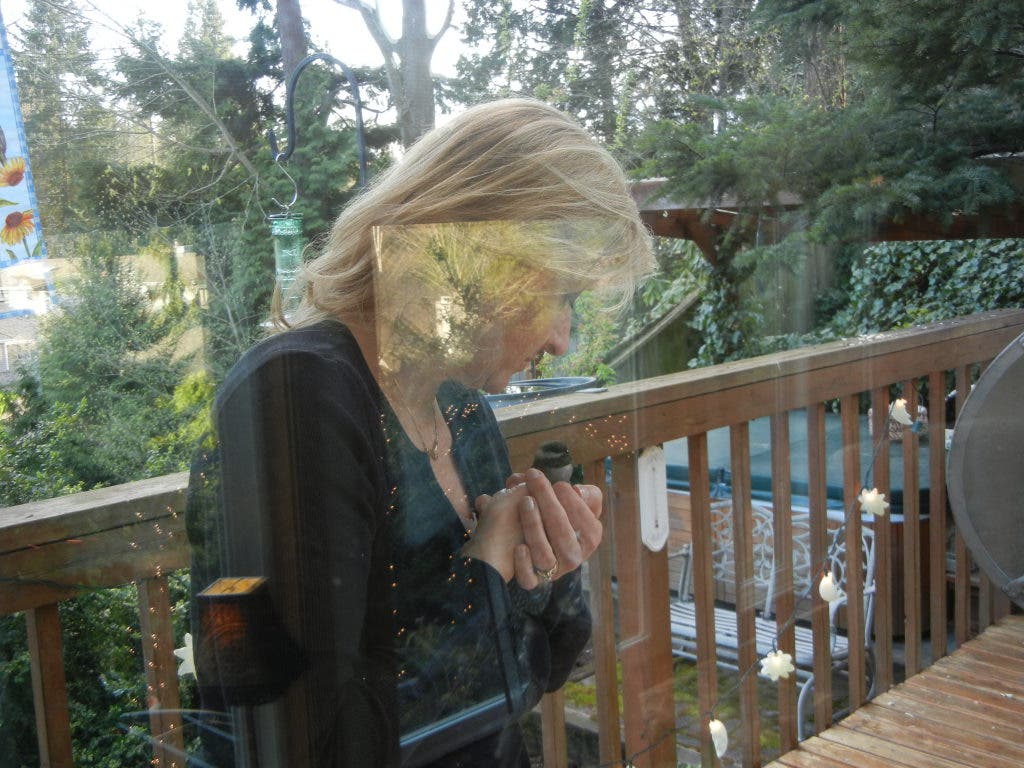

Recently, we were eating dinner when we heard the unmistakable and startling sound of a bird who’d just flown/crashed into our window. This has been happening with regularity since about mid April. We’ve taken all the precautionary measures to prevent window strikes: installing screens to reduce glare, placing anti-collision decals on the windows – I even asked my husband not to clean the windows on the side of the house where the majority of the birds are. Thankfully, this has significantly reduced the number of collisions, but…the occasional bird, usually a black capped chickadee, still collides with the window.
I used to think that these birds should be left alone and they would eventually fly away. Unfortunately, my success rate using this ‘method’ was very low and I wasn’t seeing the happy endings I’d hoped for. I began researching the matter of birds flying into windows and found the following:
- The four crucial factors are: warm, safe, dry and dark
Find out what's happening in Kirklandfor free with the latest updates from Patch.
- Many birds that hit windows and appear to be dead are just stunned or dazed. If left alone, they can be victims to predators (another good reason to keep cats indoors!).
- If the collision happens at sunset, when the temperatures begin dropping, the bird may become chilled and die.
Find out what's happening in Kirklandfor free with the latest updates from Patch.
- A bird who has struck a window should be picked up very gently with a paper towel or soft cloth. Place the bird in a small box and put in a warm, quiet place. When kept in darkness, the bird is unlikely to thrash about. If the weather is cold, the bird can be brought inside the house.
- Do not try to feed the bird or give it water.
- After 15-30 minutes, open the box and gently unfold the towel. In most cases, the bird will fly off. If it doesn’t, give it another 15-30 minutes and try again.
- If the bird has a visible injury such as a broken wing or if you see blood, you can call one any of the following local bird rescue centers:
Mollywood Avian Rescue, Bellingham 360-966-7490
PAWS Wildlife Center, Lynnwood 425-412-4040
Seattle Audobon Society, Seattle 206-523-4483
I now keep a ‘bird kit’ ready at all times (even in the winter). It’s just a simple shoebox with a few small breathing holes and a dish towel. I’m happy to report that so far this season, we have had a 100% survival rate!