Politics & Government
Laws Banning Panhandling Violate Civil Rights: Seattle U Study
Cities from Lakewood to Issaquah have anti-begging laws. The laws hurt the homeless and violate free speech rights, the report says.


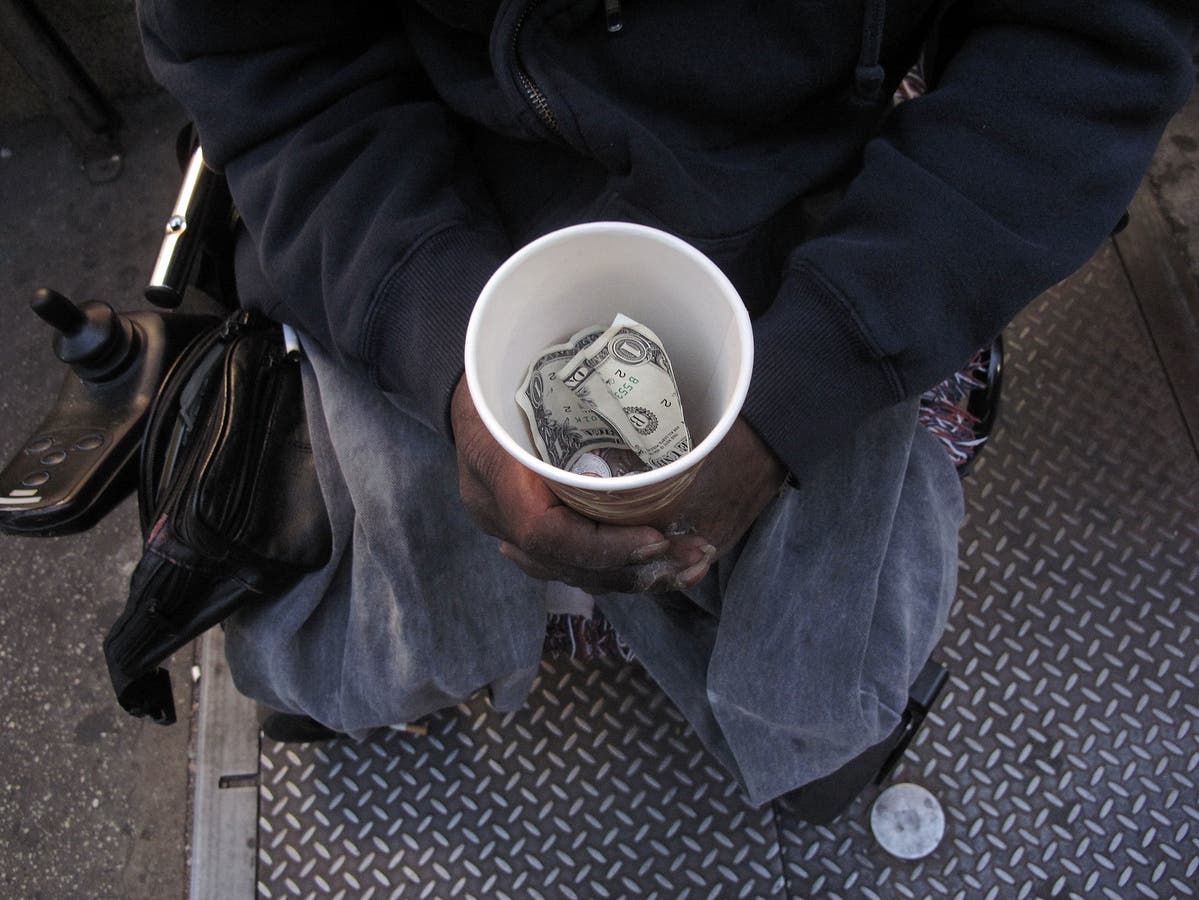
LAKEWOOD, WA - Lakewood police handed out 51 tickets to panhandlers between January 2013 and January 2018. That's the most among local cities with anti-panhandling laws - but it's likely each one of those tickets violate civil rights.
The study, "Begging For Change," found that anti-panhandling in Washington violate constitutional rights like free speech and due process. The laws also exacerbate homelessness by burdening violators with fines they can't pay and a criminal record, the researchers found.
The researchers looked at anti-panhandling laws in local cities like Issaquah, Des Moines, Marysville, Puyallup, and Bonney Lake. Only Lakewood and Marysville provided data to the researchers showing how many citations were given to panhandlers. But the researchers still found structural problems in the laws.
Find out what's happening in Lakewood-JBLMfor free with the latest updates from Patch.
For example, Issaquah prohibits panhandling on public property from "sunset to sunrise."
"This law is an over-broad restriction that prohibits substantial speech within a traditional public forum. It is also vulnerable to a vagueness challenge based on the ambiguity of the meaning of 'sunset' and 'sunrise,'" the study says.
Find out what's happening in Lakewood-JBLMfor free with the latest updates from Patch.
The laws only serve to remove unsightly poverty from public view, according to the study.
"The act of panhandling, commonly known as begging, is a constitutionally protected form of speech. But Washington’s cities are increasingly enacting ordinances that criminalize begging. The consequences of criminalizing begging are severe and include violations of First Amendment and due process rights," the study asserts.
The researchers also found that the laws can reinforce negative perceptions of homeless people.
A common theme propelled by proponents of anti-begging ordinances is that they overestimate how feasible it is for individuals experiencing homelessness to find and maintain employment. Immutable characteristics and uncontrollable circumstances, including mental illness, addiction, single parenthood, lack of hygiene facilities, lack of sleep, and evidence of a criminal record for engaging in life-sustaining activities can make it difficult, if not impossible, to obtain an adequate job. Potential employers often hesitate when they see that an applicant has no permanent mailing address or reliable ability to maintain his or her hygiene.
Lakewood has slowed down handing out panhandling citations. In 2015, a man named Robert Willis was cited by a Lakewood officer for walking near an I-5 on-ramp to ask for money. Willis received a 90-day suspended jail sentence and a $250 fine. Willis appealed, suing the city for violating his first and fourteenth amendment rights. The state Supreme Court in 2016 eventually upheld those claims.
The study was written by law students with the university's Homeless Right Advocacy Project, which is led by Professor Sara Rankin.
You can read the full study here.
Photo by Spencer Platt/Getty Images
Get more local news delivered straight to your inbox. Sign up for free Patch newsletters and alerts.