Schools
Clover Park Schools Getting Technological Updates
District's Internet Technology Services department installing new network, student system and VoIP in its schools.
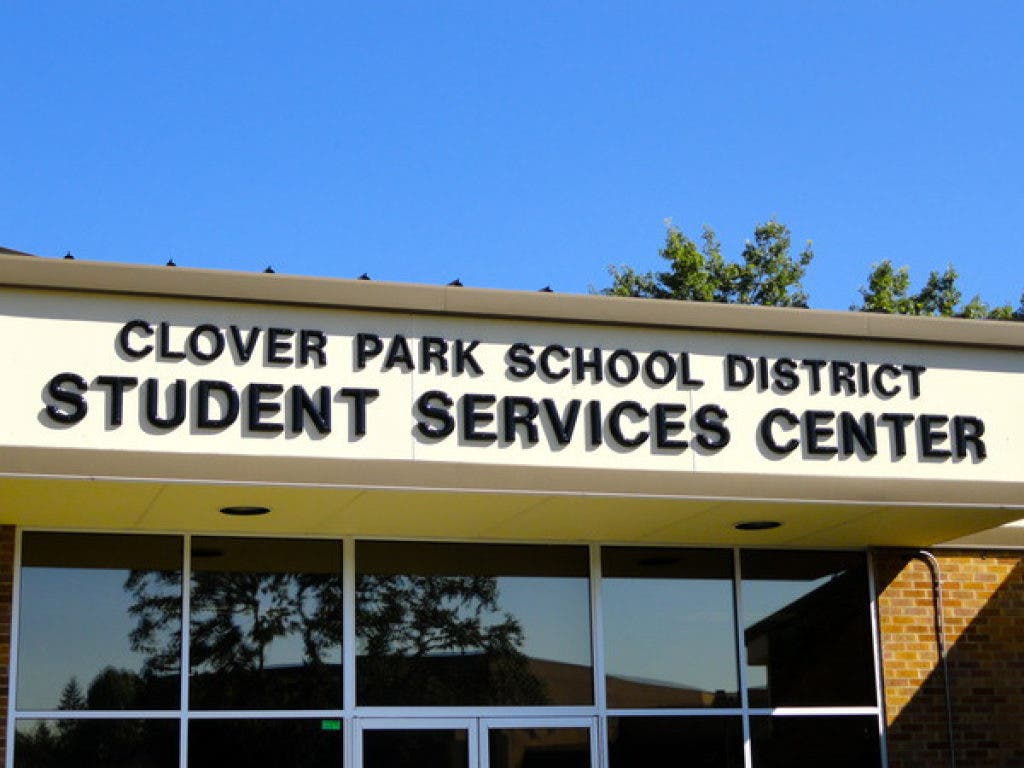
The Clover Park School District is moving toward becoming a more technologically advanced district.
Over the summer, the district’s Internet Technology Services department completed several projects including the delivery of 630 laptops at the elementary level and 350 laptops elsewhere; and re-imaged more than 4,000 desktops to have Windows 7 and Office 2010.
It also finished its wireless installation in virtually every room across the district, including the stadiums. Students will not have access to the wireless, though, and staff usage remains filtered.
Find out what's happening in Lakewood-JBLMfor free with the latest updates from Patch.
“We are excited to have this continuity and this vision for technology,” said Craig Cook, the district’s director of ITS.
Cook said in a presentation to the School Board this week that ITS is getting good feedback from school staffs about the new software.
Find out what's happening in Lakewood-JBLMfor free with the latest updates from Patch.
“We’re pretty happy with it,” he said.
The projects were the culmination of a five-year computer replacement plan. A second phase begins in October, which includes moving the district’s network from Novell/Linux to Windows servers running Active Directory. Cook said that when Novell discontinued some of its products, CPSD was put in a position where it had to put in new servers.
The move, he said, will increase network space and allow flexibility in the types of desktops it uses.
Additionally, as the new Hudtloff Middle School is constructed, ITS will work with architects and engineers to integrate new technologies and network architecture.
“You will really begin to see some good stuff happening,” Cook said.
Board member Marty Schafer said that he appreciates the changes.
“We’re really moving in a great direction,” he said, adding that he is a fan of the emphasis on customer support.
Cook said that the phones, security system and public-address system run on different wires in the current Hudtloff. The new school will have one wiring system that will sort the “traffic” accordingly. Adding that to the new school was a last-minute addition as the bid was coming in.
The district is also installing a new student system since its current one, eSIS, will no longer be supported as of September 2012. Sixteen evaluation categories – including reporting, demographics, attendance, discipline and teacher access/gradebook – were considered in choosing a new system.
“Using (those categories), we were really able to drill down and find out what the companies were really offering us,” Cook said.
Superintendent Debbie LeBeau expressed enthusiasm for the changes, saying she is “excited about lots of components of the new student system.”
CPSD is also moving forward on a VoIP (Voice over Internet Protocol) system using federal funding to upgrade the district’s phone and network systems. Among their goals are to upgrade emergency communication, reduce yearly maintenance and support video and other classroom services.
Paperwork for the VoIP system will be submitted in December, and the district hopes to receive a federal funding commitment by November 2012. Because CPSD has a high rate of students receiving free and reduced-priced lunch, the district gets to go to the “front of the line” to get some of the programs. That could result in 75 to 80 percent of the cost being covered by the federal funds.
The new system, which will be selected by Jan. 1, will cut the district’s maintenance costs in half, Cook said. How much is unknown given that a system has not been chosen. The current system requires a specialized tech to come make changes, but with VoIP, staff members can program their phones and make small tweaks on their own.
Board Vice President Carole Jacobs expressed concern that, given uncertain economic times, the funding could be cut down the road. The savings, she said, are a boon for the upcoming levy.
“Technology is a huge piece of the levy, and we must pass the levy to keep the technology going,” she said.
But Cook said that the government directs several million dollars toward the program year to year, and “we are hopeful that we can take advantage of it.”