Schools
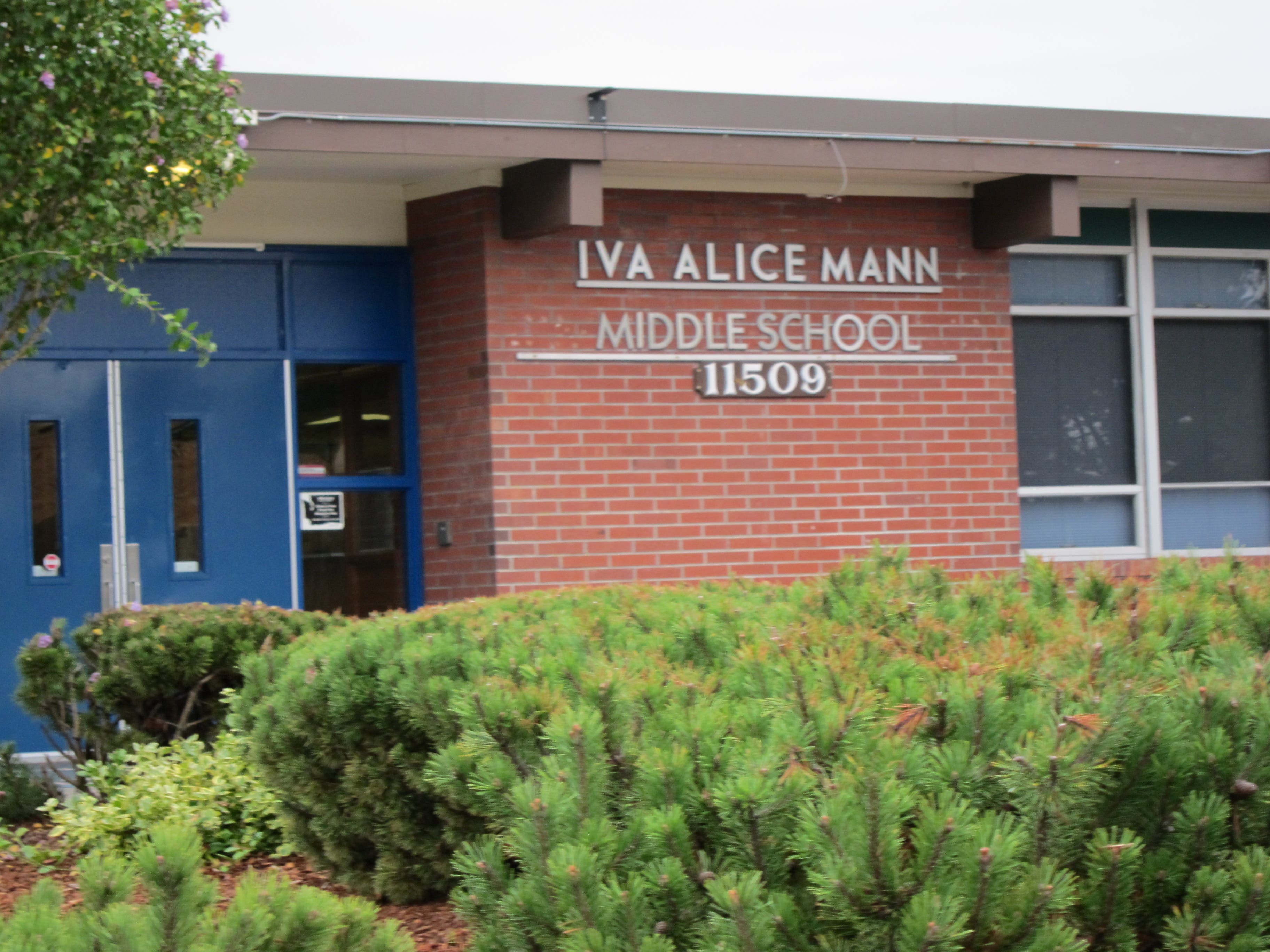
Mann Middle School in Lakewood on List of Lowest Achieving Schools
State Superintendent Randy Dorn released today (Dec. 19) a list of the schools in Washington state that face the some of the toughest challenges when it comes to student success.


Editor's note: Below is a press release from the Office of Superintendent of Public Instruction.
State Superintendent Randy Dorn today released a list of the schools in Washington state that face the some of the toughest challenges when it comes to student success.
, part of the Clover Park School District in Lakewood, was identified as one of them along with 56 other schools and 37 school districts.
Find out what's happening in Lakewood-JBLMfor free with the latest updates from Patch.
Click the PDF attached to this article to view the entire list of public schools.
As required by Revised Code of Washington 28A.657.020, the list is composed of the five percent of schools receiving or eligible to receive federal Title I funds that are identified as the “persistently lowest-achieving schools” in the state.
Find out what's happening in Lakewood-JBLMfor free with the latest updates from Patch.
The process of identifying the schools began in 2010, with the introduction of the federal School Improvement Grants. That year, the 47 named schools were given a chance to apply for grants ranging from $50,000 to $2 million. As a state, Washington received $17 million.
For the 2012-13 school year, however, no additional federal school improvement grants to support newly identified schools/districts will be available.
“State law requires us to put out this list,” said Randy Dorn, superintendent of public instruction. “But that law was also based on the assumption that schools would receive more funding in order to improve. To me, it’s completely unfair to call out these schools without giving them additional resources, but that is the world we live in now.”
Dorn explained that, of the 57 schools, only four have fewer than 50 percent of students receiving free or reduced-price lunches. “These schools are dealing with very challenging populations,” he said. “I know we’re in the middle of an economic crisis, but the past three years the Legislature has chiseled away at basic education resources. Those schools – in fact, all schools – need additional resources.”
Schools on the list are identified using a variety of factors, such as the school’s average state test scores in reading and math from 2009 to 2011, the school’s graduation rates and whether the school has meet the federal Adequate Yearly Progress requirements.
Get more local news delivered straight to your inbox. Sign up for free Patch newsletters and alerts.