Arts & Entertainment
Mapping of Area Has Literary Connection
Wilkes reportedly was model for 'Mobey Dick' icon.
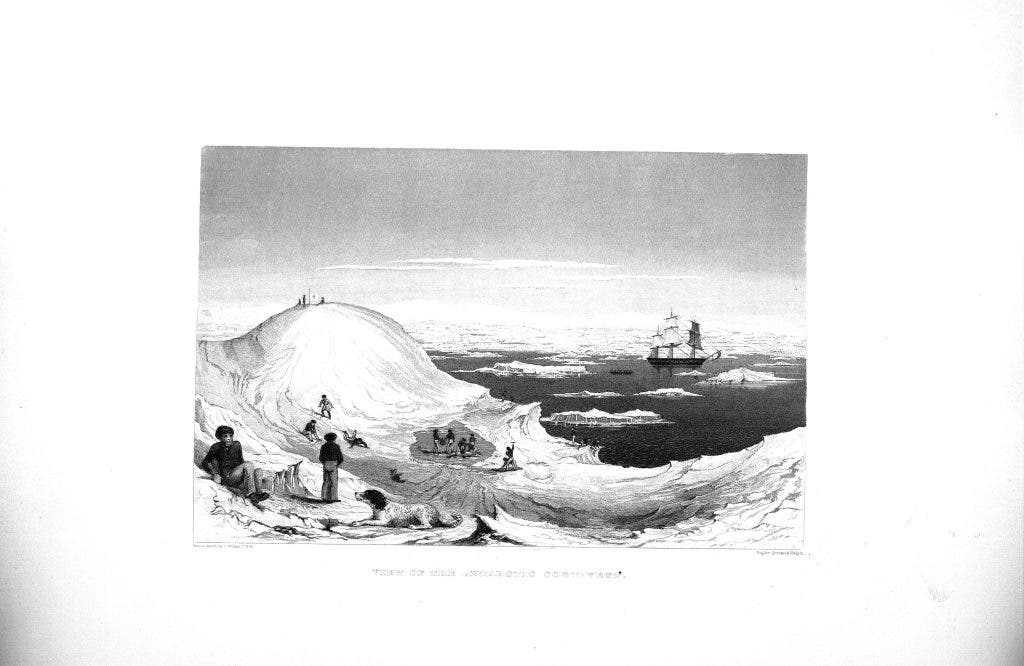

It was a 160 years ago this week that Lt. Charles Wilkes arrived in the South Sound to map the waterway to aid the future expansion of American interests in the region. While the step is now largely a footnote, the commander of that expedition would go down in history as a real-life model for Capt. Ishmael Ahab of Herman Melville’s “Moby Dick.”
The journey begins on May 11, 1841.
Wilkes anchored the Vincennes and Porpoise just inside the mouth of Sequalitchew Creek, which is present day DuPont. The site was near Fort Nisqually, a Hudson's Bay Co. post that is currently on display in Tacoma’s Point Defiance. Wilkes established a scientific observation headquarters at the site to chart Puget Sound’s waterways and geographic sites to develop the first complete map of the region.
Find out what's happening in Lakewood-JBLMfor free with the latest updates from Patch.
The effort, officially called United States Exploring Expedition, marked the first official American expedition in the area. The establishment of Fort Steilacoom in Lakewood would follow later that year.
The mapping of Puget Sound was part of a larger American effort that started in 1938 to chart Antarctica and sail around the world. Six ships started the effort but only two returned to Virginia in 1842, having logged 87,000 miles and marking the last all-sail ship to circle the globe.
Find out what's happening in Lakewood-JBLMfor free with the latest updates from Patch.
The expedition had already visited the South Pacific and was tasked with mapping the region on its return voyage to the East Coast. The effort brought names to local landmarks including Commencement Bay to mark where the mapping work began. Also of note is that the first Independence Day celebration in the Pacific Northwest was held by Wilkes in 1841 at a site near American Lake, right under the noses of the British traders at Fort Nisqually.
Wilkes wrote five volumes of maps and discovery information in his official report of the voyage. It did sold poorly. Only 100 copies of Narrative of the United States Exploring Expedition were published. But one of them apparently made its way to Melville who was in the process of writing a novel. Word of Wilkes' harsh discipline, obsession for discovering Antarctica and his personal hubris were splashed on newspapers shortly after he returned to his East Coast home.
He was even brought up on charges stemming from his mistreatment of his subordinate officers, and for excessive punishment of his sailors, who were commonly flogged for minor offenses. He was found not guilty on all but one charge, however, since the military routinely used corporal punishment in those days and Naval commanders had almost absolute power over their crews.
Wilkes did not just abuse the sailors under his command. He wrote a brutal letter to the Secretary of the Navy after being turned over for a promotion. He was later court martialed for his insubordination. He died as a Rear Admiral on Feb. 8, 1877. His remains are buried at Arlington National Cemetery, under a marker that says "he discovered the Antarctic continent."
Historians and literary researchers have long compared the ship’s log and diaries from sailors during the expedition with Melville’s classic tale of an abusive and obsessive sea captain in search of a Great White Whale. They find that key elements of the novel can be found in Wilkes documents and narratives. Beyond the abusive treatment of his crew, the character of the cannibal QueeQueg has a direct counterpart in Wilkes’ voyage notes.
Wilkes died in Washington, D. C. on February 8, 1877 at the rank of Rear Admiral. In August 1909, the United States moved his remains to Arlington National Cemetery. His gravestone says he discovered the Antarctic continent.