Neighbor News
Almost Half of American Adults Can't Swim — Can You?
If you don't know how to swim, or aren't proficient in the five techniques that could save your life, do yourself a favor and learn.

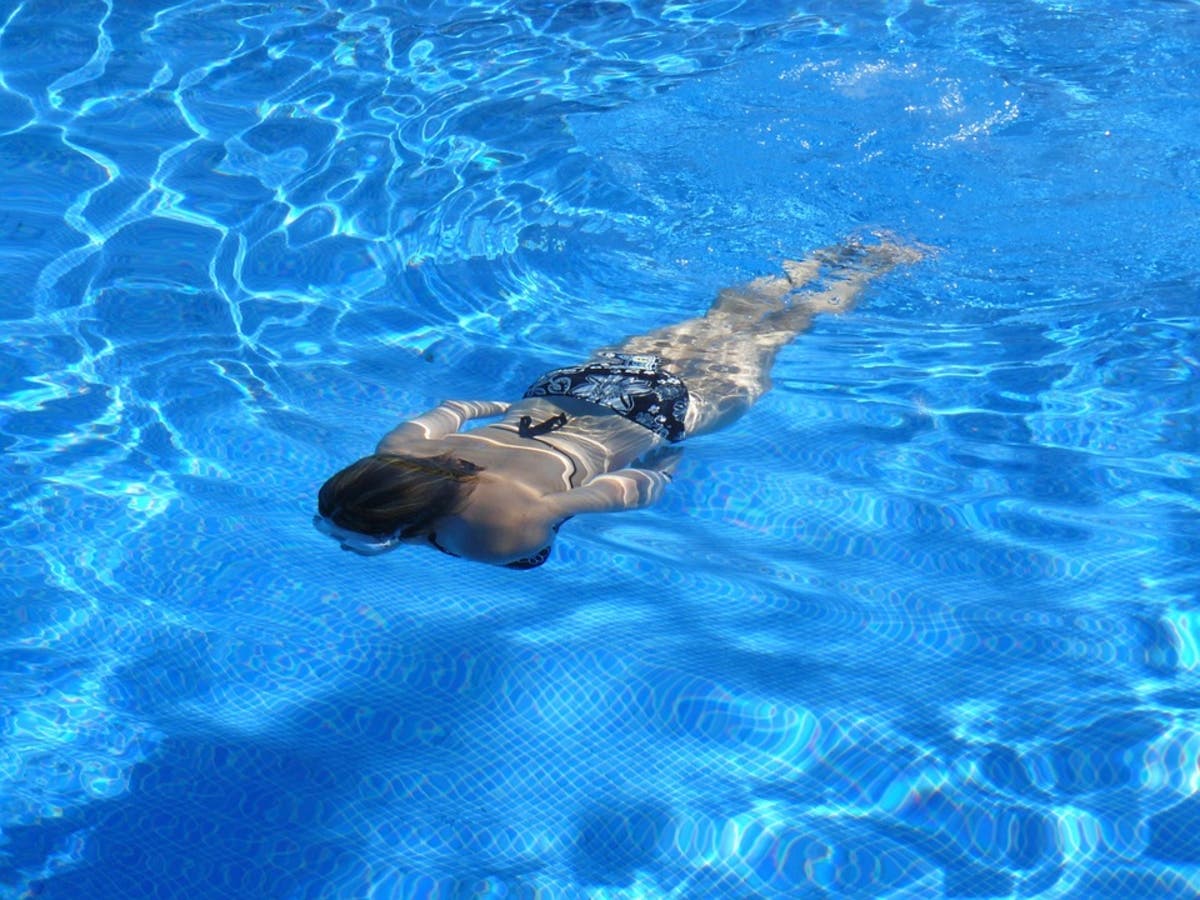
A woman from New Hampshire got stuck in a swimming pool last weekend, and relied on Facebook to call friends to the rescue. 61-year-old Leslie Kahn was just finishing up a swim in her backyard when the step ladder she used for entering and exiting gave way and broke, leaving her stranded in the water.
“Without something for my feet to get leverage on and without that upper body strength, it wasn’t happening,” she said in an interview with local news outlet WMUR 9.
Kahn was stuck in the pool for nearly three hours before she managed to use a swimming pool pole to drag a chair with her iPad on it over to send an SOS to her friends. While Kahn was likely more in danger from exposure to the elements than she was from drowning, being that she was swimming in an above-ground pool, but she’s still lucky that the pool didn’t claim her life. Not everybody else is so lucky.
Find out what's happening in Seattlefor free with the latest updates from Patch.
According to the CDC, every day, approximately 10 people die due to unintentional drowning. Of these, two are children aged 14 or younger. And while alcohol is often involved with unintentional drownings concerning adults, the simple fact is that a surprising number of adults actually cannot swim.
Watch: Almost Half of American Adults Can't Swim — Can You?
Find out what's happening in Seattlefor free with the latest updates from Patch.
The American Red Cross, in a 2014 survey , found that while 80 percent of adults claim to know how to be able to swim, approximately 44 percent of them also admitted that they’d fail a basic swimming test. The five skills that comprise this test are essentially the five skills that could save your life in the water:
- Floating or treading water for one minute.
- Submerging yourself in deep water (jumping into the deep end) and coming back up for air.
- Maneuvering while submerged to find the surface of the water.
- Getting out of the pool without a ladder.
- Swimming the length of a pool without stopping.
There’s nothing wrong with or embarrassing about not being able to do these five things. However, to make sure that you’re finishing off your summer swimming safely, you should consider working on achieving these five goals. It’s never too late to take swimming lessons, and while you don’t necessarily hear about adult swimming lessons very often, they’re more common than you might realize.
Certified strength and conditioning specialist Matt Dustin has three tips for those brave enough to learn how to swim. In his article, “Adult Swimming Lessons: 3 Smart Steps for Safety and Success,” he recommends these things:
- Find the right swim instructor for you. You’ll want to find the right combination of experience and chemistry with your swim instructor. You can either do a local internet search or inquire with your local YMCA. Ask lots of questions too — besides Florida, states have no requirements on who can call themselves a swim instructor. Consider discussing these points.
- What do they charge for lessons? Do they give discounts?
- What is their availability and are they flexible and able to work with your schedule?
- How many sessions do they estimate will take you to become a competant swimmer?
- Do they have any references from past students?
- Learn the fundamentals of pool-safety. Basic safety is imperative in the water — part of the reason to learn how to swim in the first place, right? The American Red Cross has listed their own home pool safety tips, the biggest things to remember are never to swim alone or under the influence of drugs or alcohol.
- Arrange for a supporting learning environment. Last but definitely not least on the list, make sure that you’re swimming in a location or a pool that you’re comfortable with. Try and find a quiet and relaxing area so that you are able to concentrate and focus on learning a new skill.
By sticking to these three tips and committing to regular practice, you’ll be an expert swimmer in no time. Dustin recommends taking lessons every day, but knows that this isn’t always possible for everybody.
“Lessons are important, but to make any new skill stick, you need to practice what you’ve been taught and put it into action,” he writes. “Commit to practicing throughout the week. Mark the times off on your calendar.”
If you’re somebody who doesn’t know how to swim, or isn’t proficient in the five techniques that could save your life in the water, do yourself a favor and take the time to learn, because, if you do find yourself in a predicament, you might not end up as lucky as Leslie Kahn was. As an added bonus, not only are you contributing to a healthier lifestyle and self-preservation, but you might end up saving somebody else who doesn’t know how to swim someday.