Politics & Government
King County Moves To Put Safe Drug Use Site Measure On February Ballot
King County's measure would allow voters to approve solutions to the heroin epidemic, including opening safe drug use sites.


SEATTLE, WA - The King County Council on Monday approved a ballot measure that would allow voters to approve creating safe-use sites, which are places where people can use drugs in a supervised environment. The measure went ahead even as the anti-safe use measure, I-27, was kicked off the February ballot by a King County judge. The safe-use sites, known as Community Health Engagement Locations (CHEL).
I-27 would ban safe-use sites county-wide. However, King County Judge Veronica Alicea-Galvanon Monday ruled it can't be on the February special election ballot. The special election is on Feb. 6, and the county went ahead with its vote Monday in case the appellate court overturns Alicea-Galvanon's ruling against I-27. If the appellate court upholds Alicea-Galvanon's ruling, the King County ordinance passed Monday will be moot.
King County's effort will ask voters to approve a substitute ordinance (the ordinance is No. 420, by the way) that would reject I-27. The measure would also change county code to allow the health department to create up to two CHELs, among other fixes. The measure would appear on the ballot as a two-part question.
Find out what's happening in Seattlefor free with the latest updates from Patch.
A group of people spoke at the Council meeting against the county's pro-CHEL effort. Some were wearing red scarves, which has become a symbol of the I-27 crowd. They believe that CHELs are equivalent to legalizing heroin and other drugs, and believe that CHELs will enable drug users. I-27, also called Safe King County, is largely being funded by Bothell City Councilman Joshua Freed, who has donated $40,000 to the pro-I-27 political action committee IMPACtion.
Some Council members were against the measure, too. Reagan Dunn cited liability and that federal officials could intervene in the county's decision to open CHELs. He also noted that the county Board of Health, which favors the CHELs, is "a downtown Seattle group of people, essentially" making decisions for the whole county.
Find out what's happening in Seattlefor free with the latest updates from Patch.
On the other hand, Rod Dembowski, who's in favor of the county ballot initiative, appeared to choke up while talking about the 650 people who have died in King County since 2013 from heroin overdoses.
"I think we're doing good work here today in advancing an alternative," he said. "I think we oughta give it a shot."
The Council voted 5-4 to approve with members Dunn, Dave Upthegrove, Kathy Lambert, and Pete von Reichbauer voting against it.
Patricia Sully, who served on the county Heroin and Opioid Addiction Task Force and is in favor of CHELs, compared the sites to seatbelts: they're in cars to prevent people from dying, not encourage people to speed or drive recklessly.
"Safe consumption spaces do save lives," Sully said. "Voters should have the option to choose that."
In parallel with the ballot initiatives, local cities like Renton, Bellevue, Federal Way have all recently amended zoning codes to block CHELs from opening. Earlier in 2017, the county Heroin and Opioid Addiction Task Force recommended that two CHELs open within King County: one in Seattle, the other in a part of King County suffering from high rates of drug use.
Here's the full text of the legislation passed Monday by the Council:
CHEL Ballot Measure by Neal McNamara on Scribd
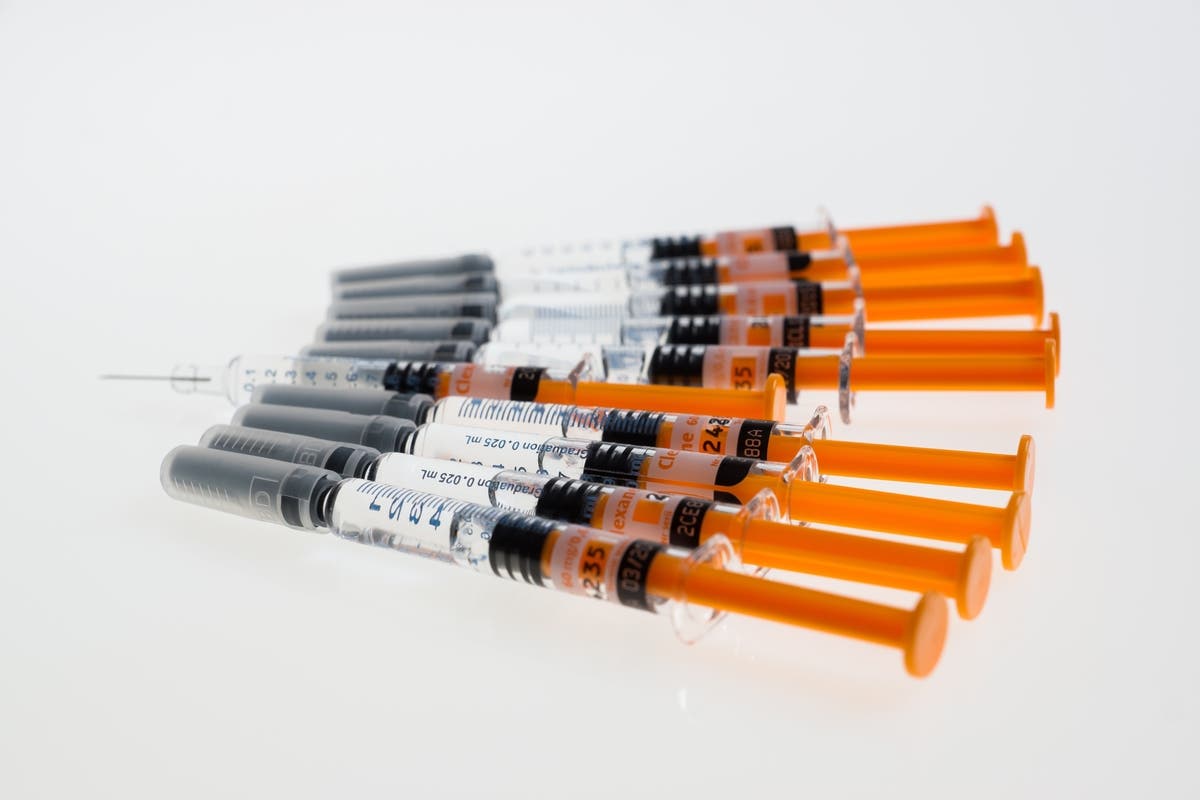
Image via Pixabay
Get more local news delivered straight to your inbox. Sign up for free Patch newsletters and alerts.