Health & Fitness
'Don't Buy More Than You Need,' Washington Health Officials Urge
The rapid spread of COVID-19 has propelled a rush on grocery stores, but officials say customers' overstocking is doing more harm than good.


SEATTLE, WA — As families around Washington prepare for a potentially lengthy period of limited public activities, health officials are asking everyone to think about their neighbors and avoid buying more supplies than needed.
Find out what's happening in Seattlefor free with the latest updates from Patch.
769 Coronavirus Cases In Washington, 2 New Deaths In King County
On Friday, Gov. Jay Inslee signed executive orders expanding school closures and a temporary ban on events and large gatherings statewide. Public health officials have urged everyone to limit unnecessary outings as much as possible to help "flatten the curve" and slow the spread of the new coronavirus, helping protect those at high-risk for developing serious complications.
Find out what's happening in Seattlefor free with the latest updates from Patch.
Washington remains the epicenter of the COVID-19 outbreak in the United States, with more than 750 confirmed cases of the virus and at least 42 deaths.
Most Washingtonians are helping slow COVID-19’s spread by practicing strong social distancing. To those of you that can be but are choosing not to: Your actions could kill someone. Stop it.
— Governor Jay Inslee (@GovInslee) March 15, 2020
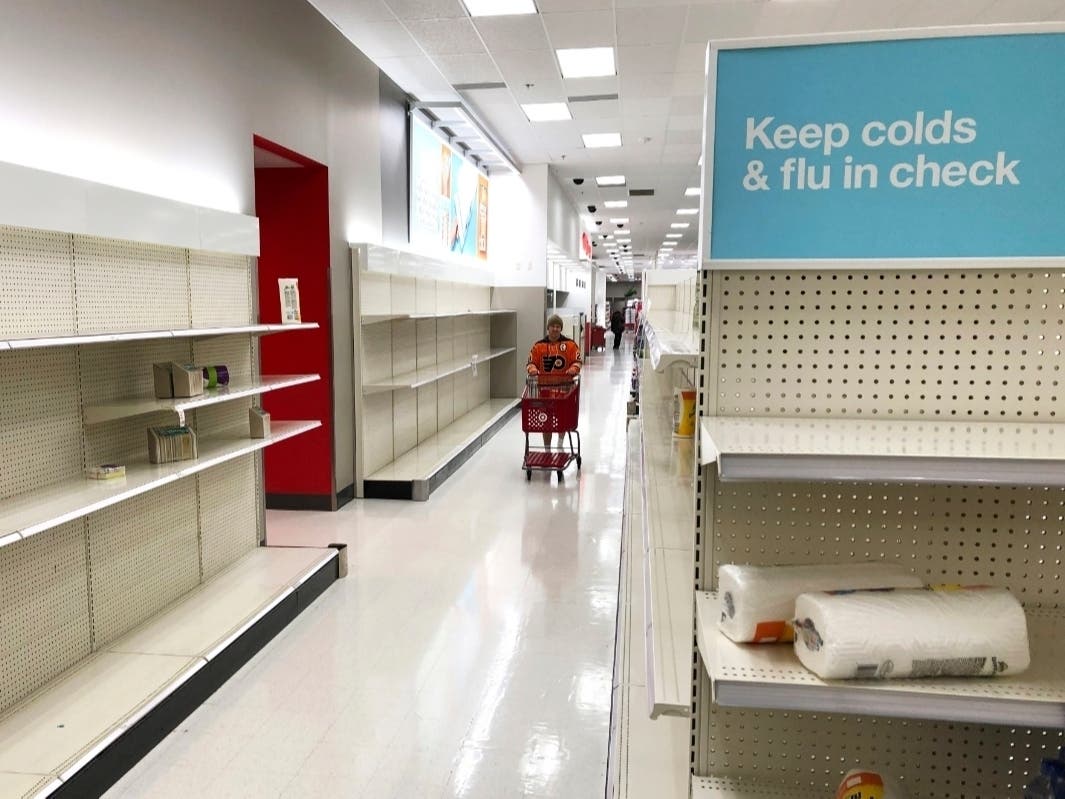
News reports from around the Seattle region and across the United States over the weekend showed emptied shelves, long lines and stores picked clean of food, bottled water, hand sanitizer, gloves, toilet paper and other supplies.
"The more you overstock those supplies, the less is available for your sick neighbors, and for doctors, dentists, and emergency response personnel," the Washington Department of Health wrote Saturday. "Doing our part to keep vulnerable people healthy includes making sure they have access to necessary supplies."
State emergency management officials recommend having about two weeks of food and other essentials on hand.
Don't miss the latest coronavirus updates from health and government officials in Washington. Sign up for Patch news alerts and newsletters for what you need to know daily.
In Washington, grocers have cited customers' overstocking, not a disrupted supply chain, as the reason many shelves are empty.
"We want the public to be assured that if they will return to their normal pace of grocery shopping that there will be an adequate supply of products for their consumption," said Jan Gee, CEO of the Washington Food Industry Association.
Safeway, Albertsons and QFC have recently announced hundreds of job openings in Puget Sound to keep up with the growing demand.
Major retailers, including Walmart, Costco, and Target, have also placed limits on certain purchases, in an attempt to thwart stockpiling as they rush to replenish key items.
According to health officials, the best way to protect yourself and others is by following public health guidance on social distancing and practicing good hygiene — not by hoarding supplies.
Anyone with questions about the COVID-19 response in Washington can call the state hotline at 1-800-525-0127.
Recommendations from the Department of Health:
- Washing your hands often with soap and water for at least 20 seconds multiple times a day is the best way to reduce your risk of infection. Hand sanitizer with at least 60 percent alcohol is recommended if you aren’t able to wash your hands with soap and water.
- Try to stay six feet away from others, and stay away from others in larger social gatherings.
- Regularly disinfect surfaces in your home and workspace.
- Stay home if you’re sick.
- Don’t buy more supplies than you absolutely need.
Guidance from Seattle and King County Public Health:
- Don’t buy more medical and health supplies than you need. Facemasks especially are sadly in short supply, but overstocking on hand sanitizer, disinfectant wipes, and plastic gloves will make it difficult for health care providers and emergency response personnel to get what they need to take care of others.
- Consider whether you really need a COVID-19 test. Ideally, everyone who wants a COVID-19 test would get one, but there is limited capacity to collect samples. Providers in our region are now running out of the swabs needed to take test samples. People with mild symptoms do not need to be tested, especially since the home treatment for COVID-19 is the same, no matter what test result comes back. We currently have to prioritize testing for those most at risk of severe illness or who live or work in a high-risk setting, like a long term care facility.
- Preserve the ER for critical health needs. At this time, emergency rooms are overwhelmed. Do not go to the emergency room unless you are having an immediate medical emergency. People who receive a positive test result for COVID-19 should not go the emergency room unless they are experiencing severe symptoms (such as difficulty breathing) that require hospitalization. Less severe symptoms can be treated at home.
Get more local news delivered straight to your inbox. Sign up for free Patch newsletters and alerts.