Neighbor News
The Electric Car: Automated Future or Second Death?
With new revisions to regulations, experts are worried that the Trump administration may kill the electric car--can driverless save it?

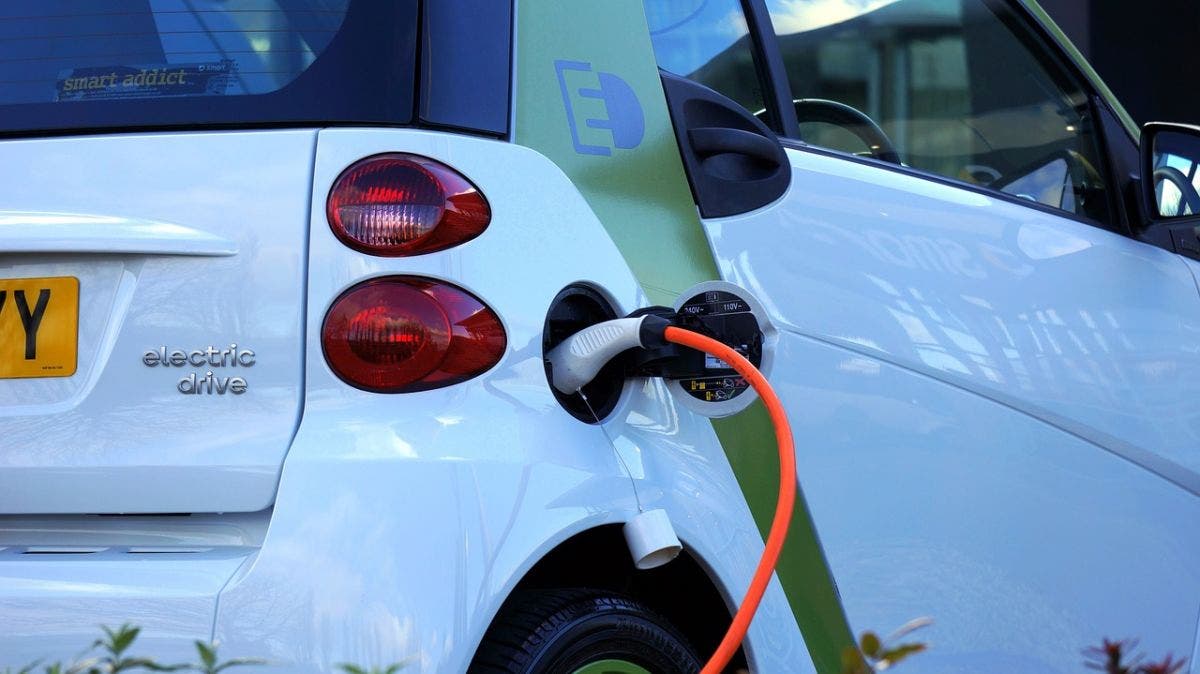
President Trump’s transition into the White House has been disruptive to say the least, and with his track record of dishonesty, it’s hard to tell which of his political positions to take seriously. Nevertheless, his promises to undo much of what the previous administration has established are affecting almost every aspect of American life, and his stance concerning environmental regulation and oversight threaten much, including the future of the electric car.
“Electric cars are still heavily dependent on external regulation,” says Chelsea Sexton in an interview with NPR's Sonari Glinton. She was featured prominently in the film Who Killed The Electric Car? “And therefore, most car companies are still offering very few numbers, limited capacity and range and all of those things....”
Her fear is explored further by Glinton in the NPR segment:
Find out what's happening in Seattlefor free with the latest updates from Patch.
“The regulations Sexton is talking about include CO2 emission rules in Europe, their rebates from federal and state governments, but most aggressively, the Obama administration's goal of getting the fleet above 50 miles per gallon. The Auto Alliance, the main industry group, wrote to the Environmental Protection Agency's Administrator Scott Pruitt upon his confirmation asking the agency to reverse the rules. Essentially, the car company said, why make us build electric cars when less than 4 percent of cars sold are electric?”
Saxton argues that this could be “the new death of the electric car,” but warns that it will be a slow death. Roland Hwang of the Natural Resources Defense Council is worried that reversing the EPA’s current rules will take years and will have unintended consequences.
Find out what's happening in Seattlefor free with the latest updates from Patch.
Despite concerted efforts in fuel consumption regulation, including sales of aftermarket parts that can “greenify” even an F-150, the rest of the world is trending toward renewable energy solutions. This “second death of the electric car” could put us behind the rest of the world in terms of advancement--the unexamined element here, however, comes in the form of the driverless car.
An Automated American Way of Life
Trucking industry company Accutrac Capital has a post on their blog on titled “Protecting the North American Way of Life” in which they state that “a growing driver shortage, emerging government regulations, and restricted funding options are just a few of the issues that impede the vitality of commercial trucking.” While these are all valid reasons that trucking firms should be wary, one of the biggest, most disruptive changes coming to the trucking industry doesn’t come in the form of engine-power, but rather in the form of manpower.
Uber’s self-driving truck startup, Otto, made its first delivery in October of 2016, paving the way for autonomous vehicles that are expected to take over the roads soon, whether it be in the trucking industry, the cab driving industry, and even the consumer market. This self-driving craze is destined to become standard, based solely on the amount of lives that it would save from diverted DUI deaths, injuries, and associated costs, as well as by fulfilling the government initiative to curb distracted driving.
Of course, there are still hurdles for the electric car to clear. One AAA study found that 78 percent of drivers are fearful of driverless cars, not to mention the ever-pervasive trolley-problem that the onboard computers would have to reconcile during a no-win situation.
Marching Onward, Bringing the Electric Car With?
Despite these challenges, it is predicted that the autonomous car will ultimately rule the streets, fundamentally changing the way that we experience travel and possibly how we go through our daily lives. A child could go to soccer practice without mom having to miss work or dad having to skimp on cooking dinner. In fact, some say that governmental regulation will even make driving your own car illegal someday due to the self-driving error rate vs. human error rate (which leaves hundreds of thousands dead, disabled, or injured every year).
Either way, in a future where we aren’t even driving our own cars, having the big truck or SUV with a V8 may not be as appealing. On top of that, when car connectivity becomes more mainstream, the auto industry will be taking on more rules and regulations than ever, even if self-imposed. It’s likely that in a bid for efficiency, electrical specs over fossil fuel design will make it to the mainstream eventually--hopefully sooner rather than later.