Politics & Government
Ferguson: Supreme Court Travel Ban Ruling Contradicts Trump
Washington Attorney General Bob Ferguson, who sued Trump over the first travel ban, reacts to Monday's Supreme Court ruling.


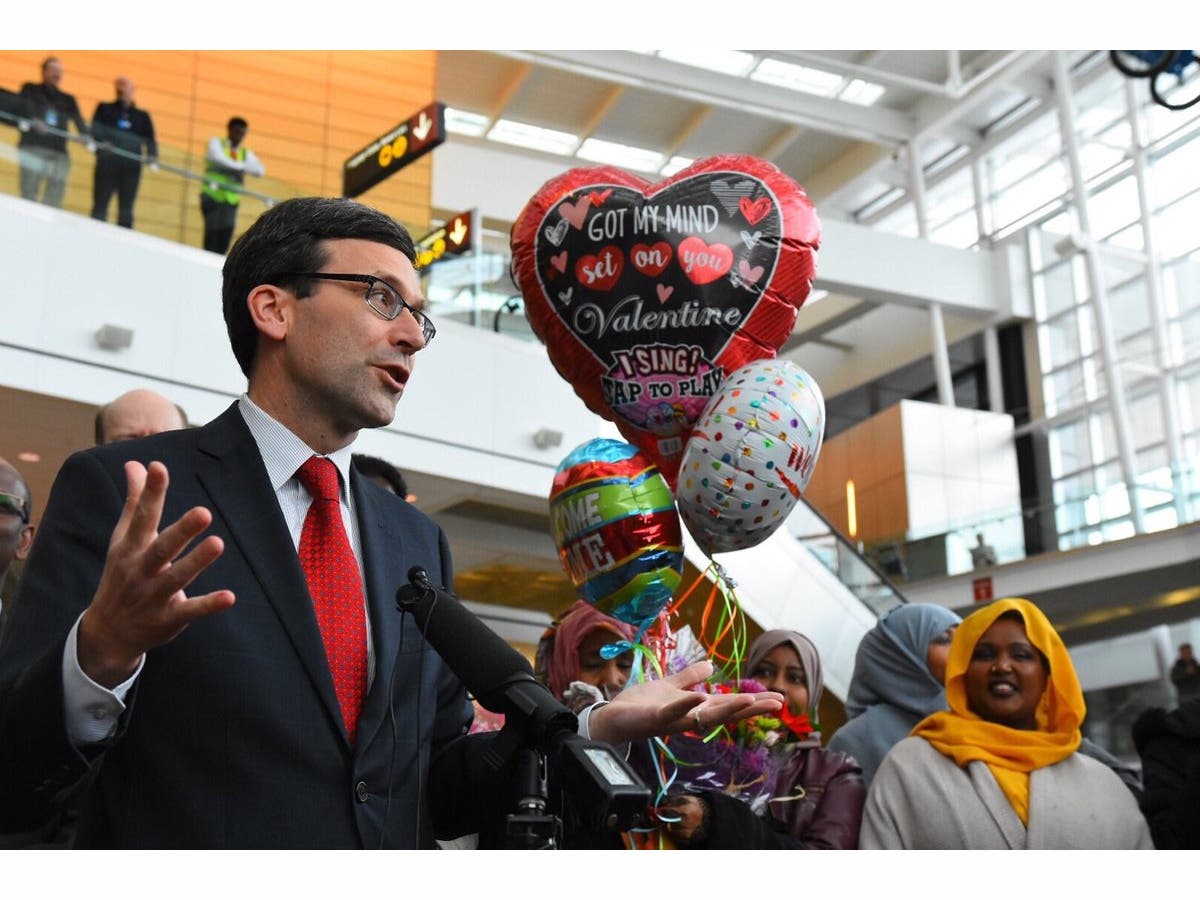
SEATTLE, WA - Washington Attorney General Bob Ferguson was able to find a positive in the Supreme Court's Monday ruling that President Donald Trump's controversial travel ban could - in part - go into effect.
Lower federal courts had until Monday blocked the president's second attempt at banning travel to the U.S. from six majority-Muslim countries from going into effect. The first version of the "Muslim ban," signed in January, was blocked - and later rescinded by Trump - after Ferguson sued. Reacting to the Supreme Court decision, Ferguson said Monday that the Supreme Court decision shows that the judges do have a say in presidential executive orders.
Trump administration attorneys had argued that the president's Travel ban order couldn't be scrutinized by courts because it involved a national security matter. The Supreme Court will hear oral arguments in the case in October.
Find out what's happening in Seattlefor free with the latest updates from Patch.
“The Trump Administration has insisted from the start that this executive order is not reviewable by the courts. As I’ve repeatedly said, this is not the law and cannot be the law. By agreeing to review these challenges, the U.S. Supreme Court signaled today that it rejects the Administration’s argument,” Ferguson said in a statement.
“The high court left in place portions of the lower court injunctions that provide important protections for individuals connected to Washington's families, schools and businesses. Although I’m deeply disappointed that the injunctions were narrowed and the travel ban will partly go into effect, the protections that remain are significant."
Find out what's happening in Seattlefor free with the latest updates from Patch.
After signing it in March, Trump's second version of the ban was blocked in two federal appeals courts. Both the Ninth Circuit Court of Appeals and the Fourth Circuit Court of Appeals upheld injunctions against the ban that were put in place by lower courts.
The revised executive order bans nationals of six majority Muslim countries — Iran, Yemen, Libya, Syria, Sudan and Somalia — from obtaining new visas to enter the United States for 90 days and suspends the U.S. refugee program for 120 days. The Supreme Court granted the government's request for stay, reinstating limits on travel. However, the limits on travel only apply to nationals of the six countries mentioned in the order who "lack any bona fide relationship with a person or entity in the United States."
In the meantime, Ferguson said that he'll be on the lookout for Washington residents who might be negatively affected by the ban. The more limited ban goes into effect Thursday for 90 days.
“My legal team and I will continue fighting to uphold the constitution and the rule of law. If any Washingtonian, employer or university in the state thinks they have a relationship to someone who is being denied access to this country, please notify my office," he said.
Reporting contributed by Feroze Dhanoa
Image via Washington Attorney General's office
Get more local news delivered straight to your inbox. Sign up for free Patch newsletters and alerts.