Crime & Safety
At Forum, SPD Chief Candidates Answer Tough Questions On Race
The police reform group Not This Time hosted a forum Wednesday for the three finalists for the Seattle police chief job.


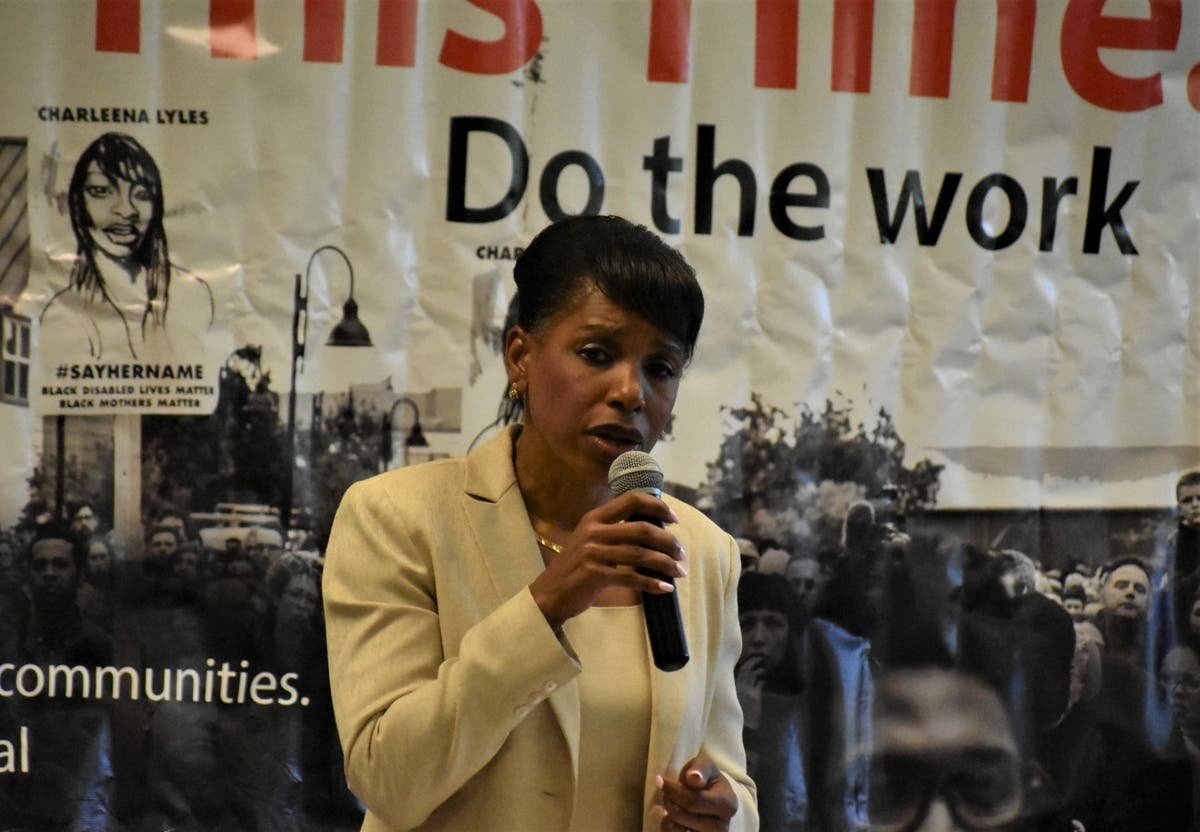
SEATTLE, WA - The three Seattle police chief finalists met the public Wednesday night at a forum at the Seattle Vocational Institute in the heart of the Central District. The police reform group Not This Time! organized the event, which was largely an opportunity for Seattle's black community to meet the candidates and probe their positions on issues like racial profiling and police violence.
The forum was held on the fourth floor of the school in large, sweltering classroom filled to capacity. Each candidate got about 45 minutes to answer questions from the audience, from the Not This Time panel, and from assorted clergy from Seattle churches.
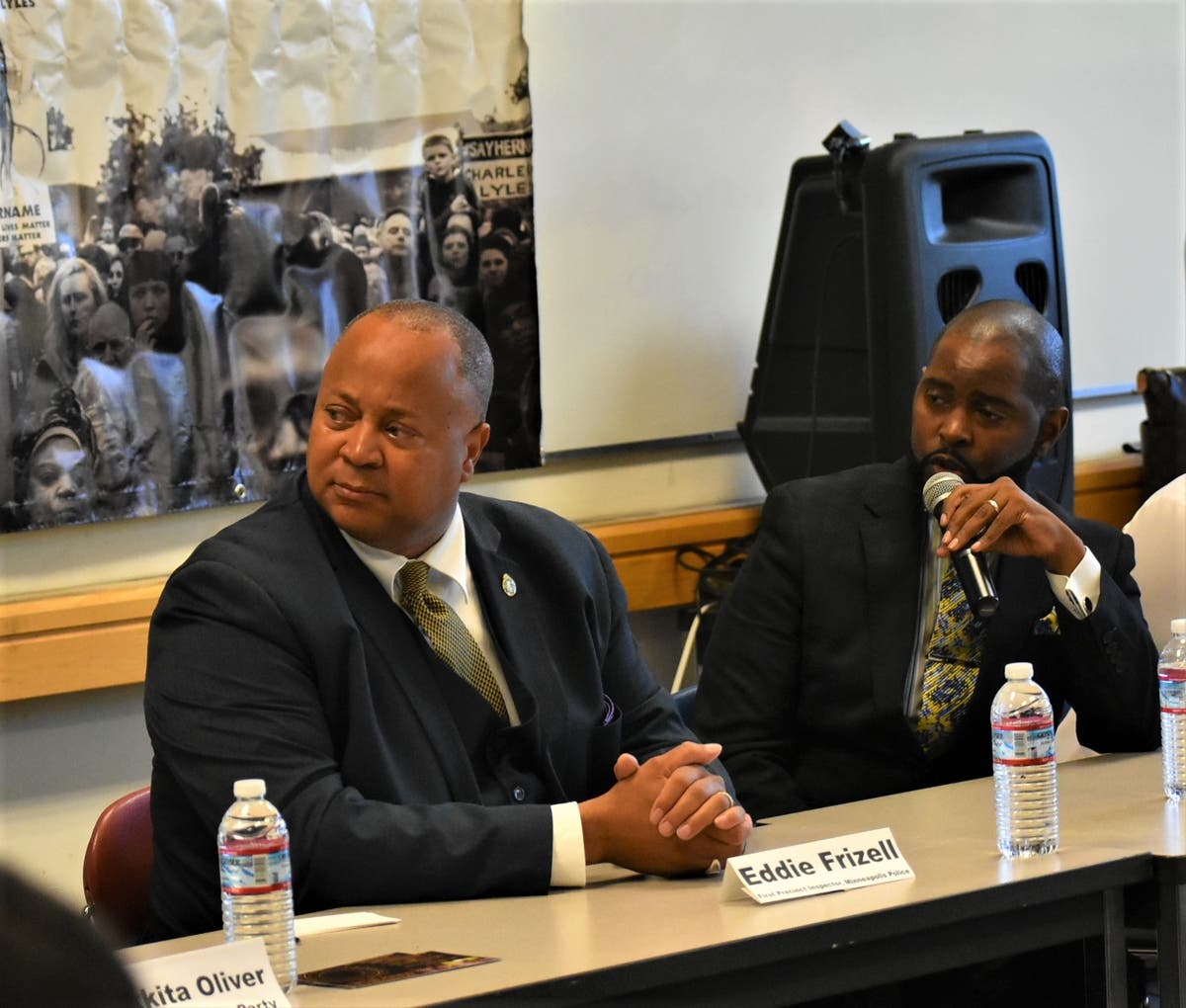
Andre Taylor, founder of Not This Time!, seemed to cut to the point of the forum during an exchange with Minneapolis police Inspector Eddie Frizell.
Find out what's happening in Seattlefor free with the latest updates from Patch.
"What's different about you?" Taylor asked referring to what Frizell would do to change police culture to prevent police-involved shootings. Seattle police killed Taylor's brother, Che Taylor, in February 2016.
Each candidate - including acting Chief Carmen Best and Austin police Assistant Chief Ely Reyes - was asked about how they would change police culture - specifically to mitigate violence and fear of police officers. Each candidate had a different answer.
Find out what's happening in Seattlefor free with the latest updates from Patch.
Frizell said his personal experiences with racism inform how he manages officers. He also said he would commit to increasing the diversity of the force. He called the Seattle police diversity numbers "abysmal."
Nikkita Oliver, a member of the Not This Time! panel, asked the candidates if they would commit to dismantling the current system of policing in Seattle. Policing is and inherently racist institution focused on subduing minorities, she said. Oliver said the department's $350 million budget should go to funding programs to end poverty.
"We need to start using resources to address the root causes of poverty," Oliver asked Best. "Are you willing to divest from a highly militarized police force?"
Best answered "yes," but clarified that she's interested in using public health methods to address poverty.
"The bottom line is, yeah, you have to have guardians," Frizell said when Oliver asked him a similar question.
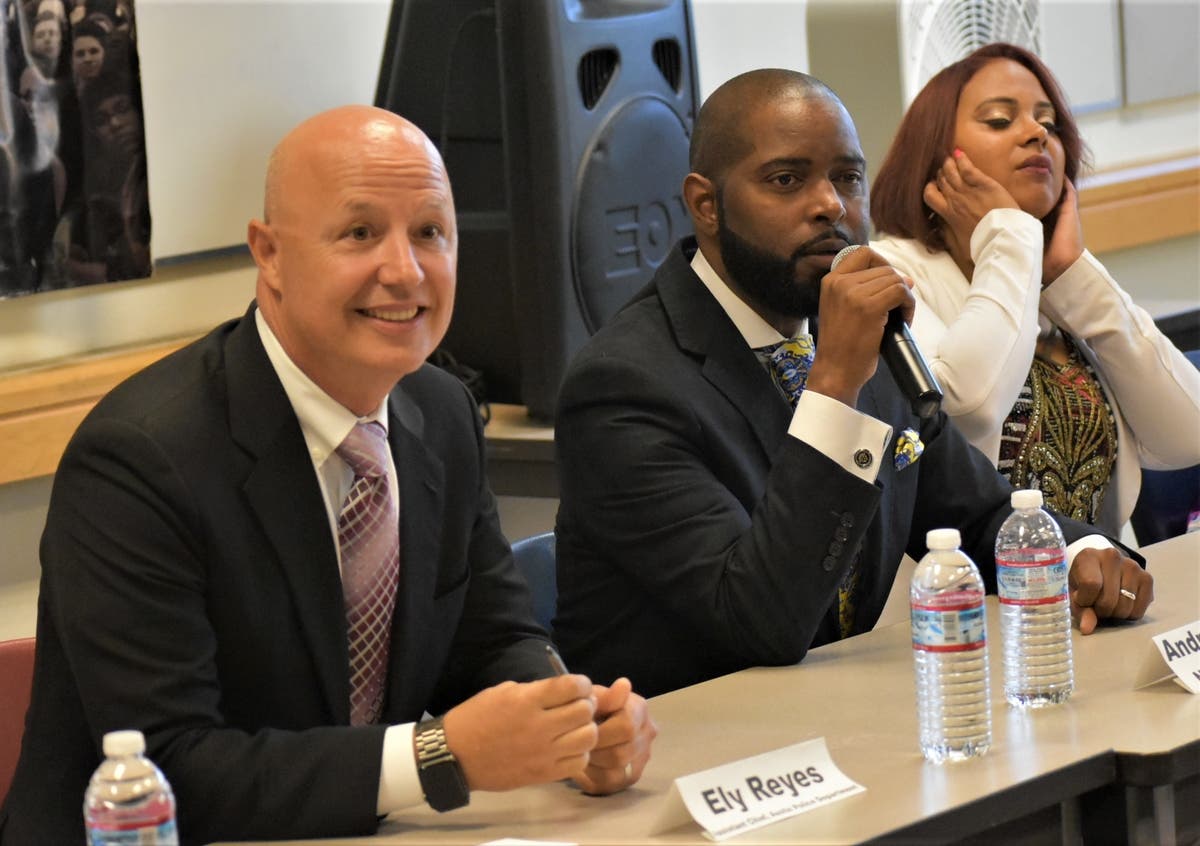
Reyes was met with the most lukewarm response. Members of the audience and the panel repeatedly asked him how he had engaged with the black community in Austin.
"My record and our record in Austin speaks for itself," Reyes said, also offering that he had been endorsed by the NAACP chapter in Austin.
Asked what programs he thinks are "innovative" in Seattle, Reyes named the city's navigation teams - a mix of officers and outreach workers who offer help to homeless people before sweeping unsanctioned encampments. Reyes said he could relate to Seattle's gentrification problem because Austin has a similar problem. He vowed that homelessness would "not be seen as a criminal violation" under his watch.
Frizell was perhaps the most animated candidate. He opened his remarks by telling the crowd about how he had moved from Alabama to Iowa as a child and grew up in Waterloo, which he described as the most segregated city in Iowa. Even as a police officer, he said, he has experienced racism - while out shopping, or just driving with his family.
At one point, Taylor asked Frizell to name the ratio of good to bad cops.
"Ballpark? 80-20," Frizell answered.
Taylor continued, asking if that ratio would hold if a good officer stood by while another officer did something bad.
"They're both gone," Frizell said. "You're just bad if you sit there and watch someone commit a crime against the community."
Best seemed to get the warmest response. She emphasized wanting to humanize cops in neighborhoods where they might be feared. Best would not come out against the under-construction King County youth jail, but she said she wants to intervene with kids before they face incarceration.
Seattle Mayor Jenny Durkan, who was not at the forum, will pick a candidate in the coming weeks. Durkan on Saturday announced that former Pittsburgh chief Cameron S. McLay had dropped out of the race, allowing Best to become a finalist.
Some who attended the forum weren't totally in favor of any one candidate, although Best stood out because she's a familiar face.
"Carmen has a history here," said Paul Jackson, a member of the Seattle Breakfast Club, a 40-year-old youth community service organization. "I want someone who knows the community."
Katrina Johnson, cousin of Charleena Lyles, asked each candidate pointed questions about police violence - including Best. She said that Best last year had promised to answer questions about Lyles' death for the family, but never came through.
"I'm not impressed by any of them," she said. Johnson said that she felt most comfortable with Best, like she could go to her if she had a problem.
The Rev. Kenneth Ransfer of Greater Mt. Baker Baptist Church was also a Best fan. During an exchange with Reyes, Ransfer raised comments made by Donald Trump last summer seeming to encourage cops to get rough with suspects. He wondered if Reyes would favor psychological exams for new recruits to ensure they don't have racial bias. In response, Reyes denied that there are any racist police in his Austin department.
"I felt closest to Chief Best," Ransfer said after the forum. "I've worked with her throughout the years, and we see her at all different venues.
"We're at a critical moment in this city, and she's been there. We need someone from the inside."
Images by Neal McNamara/Patch
Get more local news delivered straight to your inbox. Sign up for free Patch newsletters and alerts.