Crime & Safety
Green River Killer's Youngest Known Victim Identified By DNA
After nearly 40 years, King County investigators have identified one of the last unnamed victims of notorious serial killer Gary Ridgway.


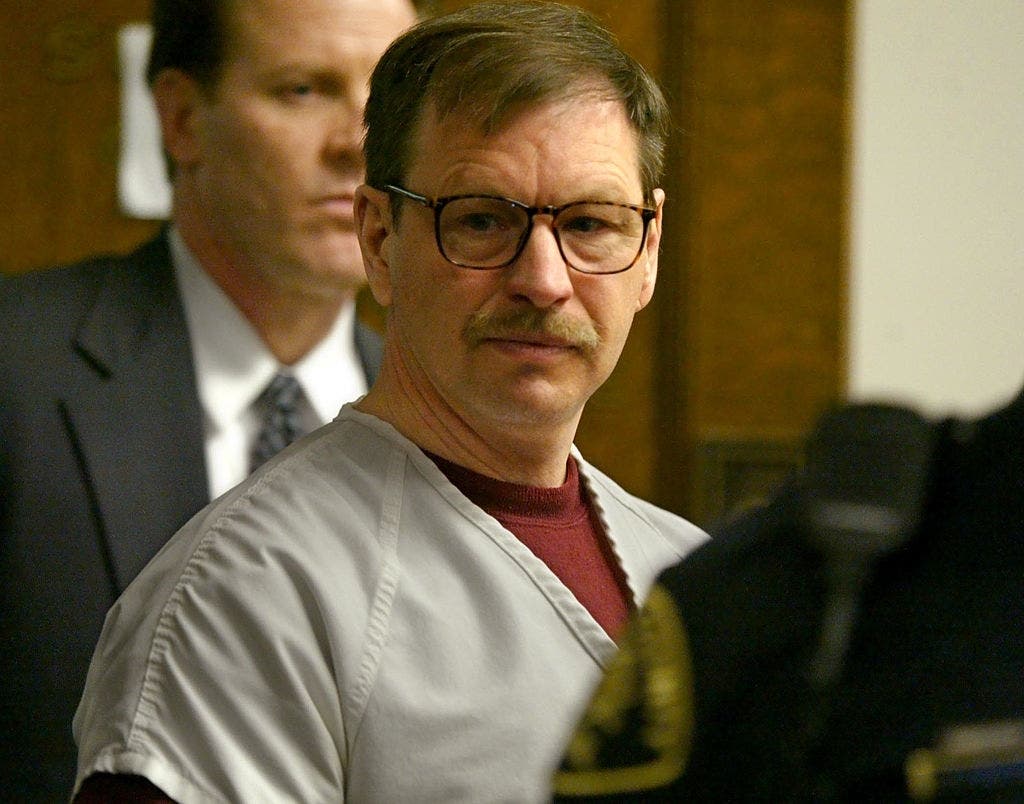
SEATTLE — After decades without knowing the identity of three women murdered by the Green River Killer, investigators have closed the case on his youngest victim, the King County Sheriff's Office announced Monday.
With help from forensic anthropologist Kathy Taylor and volunteers from the nonprofit DNA Doe Project, detectives harnassed genealogical technology to analyze DNA collected from remains found at the Highline Baseball Field, near Sea-Tac Airport, back in March 1984.
The project matched the DNA to Wendy Stephens, who investigators said ran away from her home in Denver, Colo., in 1983. She was just 14 years old when she was killed.
Find out what's happening in Seattlefor free with the latest updates from Patch.
Despite not being identified at the time, Stephens was among the dozens of women who Gary Ridgway was convicted of killing over two decades, and she was listed in court proceedings as a "Jane Doe," according to King County Prosecutor Dan Satterberg. Ridgway received 48 life sentences with no possibility of parole in 2003.
"Ridgway's murderous spree left a trail of profound grief for so many families of murdered and missing women," Satterberg said. "His crimes left an impact on our community that continues today. Thanks to the hard work...of the King County Sheriff's Office and Dr. Katherine Taylor, we can now say her name. We are thankful Wendy Stephens' family will now have answers to their enormous loss suffered nearly 40 years ago."
Find out what's happening in Seattlefor free with the latest updates from Patch.
The Seattle Times reports the DNA Doe Project submitted a sample from Stephens' mother to the genealogy site FamilyTreeDNA to find a list of candidates and successfully found a match last fall. The detective first assigned to her case in 1984 spoke with Q13 News in an interview broadcast Sunday, recalling the decades that passed without answers and sharing a measure of relief from finally closing the case.
The King County Sheriff's Office released a statement Monday afternoon, praising the efforts of investigators over the years, and thanking those who finally solved the last piece of the puzzle.
The statement reads in part:
"Today’s development is a testament to the tireless efforts of detectives, scientists and other professionals who employed the latest in emerging DNA and genealogical technologies in Wendy’s disappearance. Cases once thought unsolvable are now within reach thanks to this pioneering work."
"Every person, in the words of Dr. Taylor, needs their name. Wendy again has hers thanks to the collaborative efforts of this investigative team. It is our hope today’s development brings those who love Wendy one step closer to healing."
King County Sheriff Mitzi Johnknecht added:
"Our experienced detectives continue to work on the Green River serial murders and roughly 300 unsolved cold cases to identify victims, hold perpetrators accountable and provide these grieving families with answers."
At the time of Ridgway's sentencing, four of his victims' identities remained unknown. In 2012, DNA identified Sandra Majors as the woman whose remains were found in Des Moines in 1985. After Stephens, two more women have yet to be identified.
Get more local news delivered straight to your inbox. Sign up for free Patch newsletters and alerts.