Politics & Government
Homeless Are Hurt Most By RapidRide Fare Enforcement: Audit
An audit of fare enforcement on King County Metro RapidRide buses reveals how the system is detrimental for homeless riders.


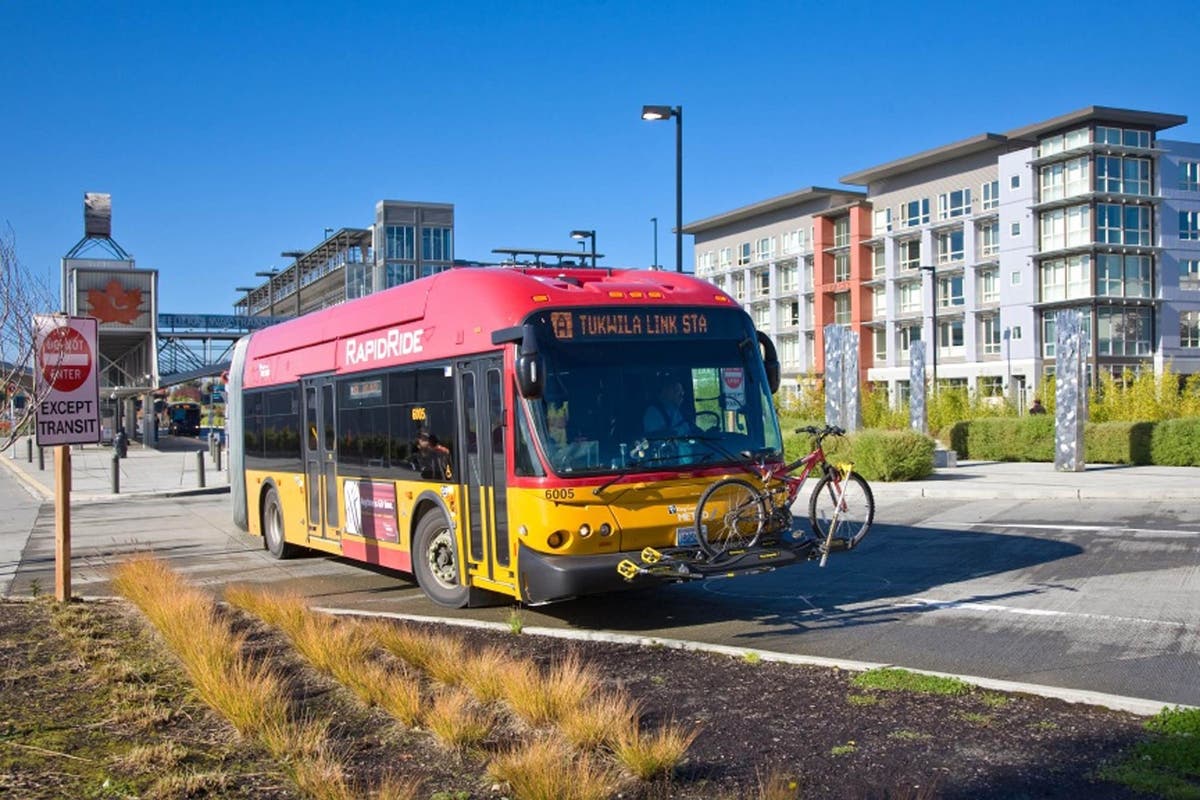
SEATTLE, WA - Homeless and low-income people are disproportionately punished for fare violations aboard King County Metro RapidRide buses, according to a new audit from the King County Auditor's Office - and those punishments may be more costly for the county than the missed fares.
Close to $300,000 in citations were issued to homeless riders between 2015 and 2017, according to the audit, which mostly went unpaid. The county sends unpaid tickets to collections, and so the homeless can end up with a credit blemish that might prevent them from renting an apartment, for example.
On a third offense, fare-skippers can get a misdemeanor, which carries the penalty of time in jail or fines up to $1,000. Of the 433 fare-related misdemeanors between 2015 and 2017, 30 percent were given to homeless people.
Find out what's happening in Seattlefor free with the latest updates from Patch.
Fining the homeless can also harm county government, according to the audit. Tickets are rarely paid because a "significant share" are given to homeless or low-income riders. Only 3 percent of the 3,515 citations given in 2016 were paid. King County District Court spent about $343,760 in 2016 to process fines, yet only recouped about $4,338.
King County has a contract with the security firm Securitas to staff RapidRide routes with fare enforcement officers. Unlike regular Metro buses, passengers can board RapidRide through rear doors without passing the bus driver. The officers randomly board RapidRide buses checking fare evaders.
Find out what's happening in Seattlefor free with the latest updates from Patch.
The fare enforcement officers are most heavily used on the RapidRide A and E lines, which both serve low-income communities, the audit reported. The E line runs along Aurora Avenue between Shoreline and Seattle, and the A line runs between Federal Way and Tukwila.
In summary, the auditors chastised King County Metro for, essentially, blindly enforcing fare rules.
"Transit is not using the most accurate method to estimate fare evasion, has not set targets for what it is trying to achieve, and is missing key performance information such as benchmarks and output measures. As a result, Transit cannot understand if its efforts are working and if enforcement resources are above or below what is actually needed," the audit reads.
In response to the audit, Metro General Manager Rob Gannon said the agency has taken three immediate steps: giving juvenile riders two warnings rather than one, hiring a "quality assurance supervisor" for fare enforcement officers, and temporarily halting misdemeanors.
Get more local news delivered straight to your inbox. Sign up for free Patch newsletters and alerts.