Politics & Government
King County Developing 'Extreme Heat Mitigation Strategy'
More than 30 people died during a historic heat wave in King County last year. Now, officials are exploring how to handle the next one.


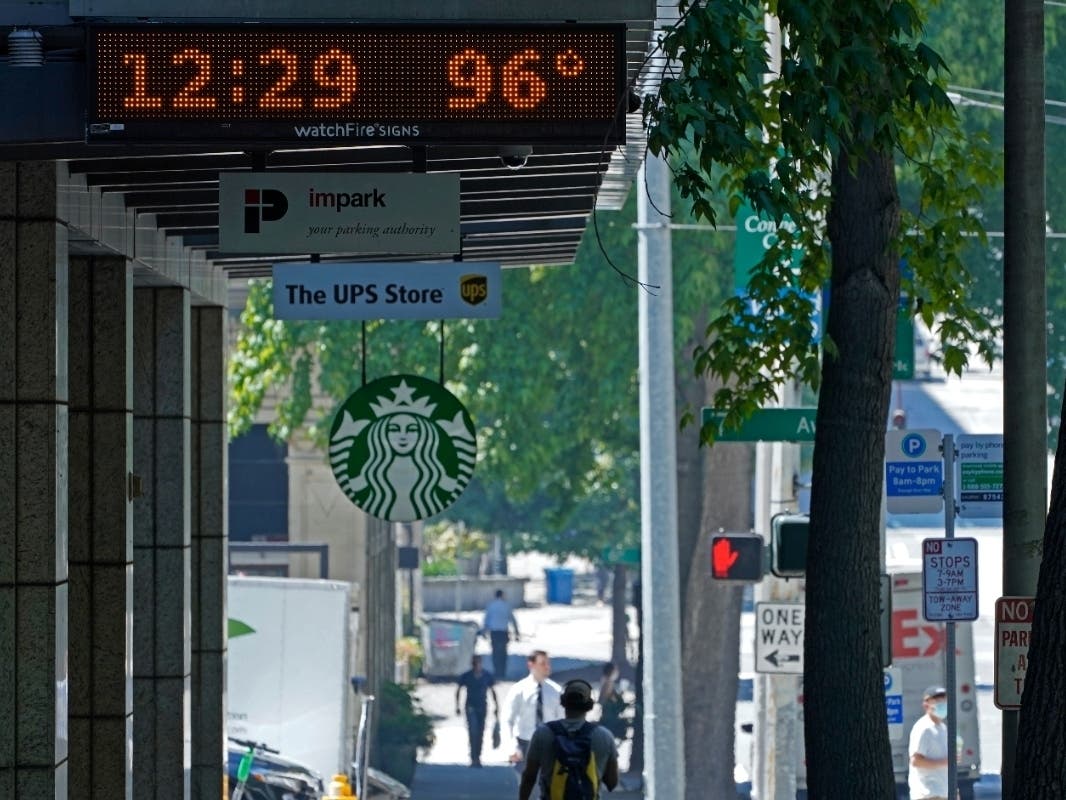
KING COUNTY, WA — Several King County departments are banding together to improve the regional response to extreme heat events, one year after a historic run of heat led to more than 30 deaths in King County and dozens more across the Pacific Northwest.
In 2021, Seattle recorded triple-digit temperatures on three consecutive days, reaching 102 degrees on June 26 and soaring to 108 degrees on June 28. Conditions were even more extreme outside the Emerald City, climbing as high as 116 degrees in Issaquah and 118 degrees in Maple Valley.
While this year has been milder so far, and no hazardous heat is in the forecast, King County is working to implement the region's first "Extreme Heat Mitigation Strategy," designed to prevent deadly outcomes in the future.
Find out what's happening in Seattlefor free with the latest updates from Patch.
"The record heat we experienced late last June – our region's deadliest climate event to date – confirms that the threat is neither speculative nor distant, but certain and immediate," said King County Executive Dow Constantine. "We can, must, and will confront the looming climate crisis with every available resource. Our team of experts representing public health, climate preparedness, and emergency management will partner with communities to develop a comprehensive strategy to strengthen our response and adapt our built environment to keep people safer while working to dramatically cut carbon emissions countywide."
Part of the plan includes seeking new grant money from the Federal Emergency Management Agency (FEMA) to help realize short-term and long-range preparations, similar to how the county manages flood hazards. According to Constantine's office, the strategy will mobilize communities, departments, nonprofits, health care providers, and first responders from around the region to help identify how best to improve the response to extreme heat events.
Find out what's happening in Seattlefor free with the latest updates from Patch.
Helping craft the approach will be the county's Department of Natural Resources, Office of Emergency Management, Climate Equity Community Task Force and Public Health - Seattle & King County.
"Last year we experienced the single most deadly climate event in our history, and these events are expected to be longer in duration, and more intense going forward," said Dr. Jeff Duchin, the county's health officer. "We must prepare both for the inevitable heat events that will continue to challenge us, and also do what we can to minimize the risk of these becoming even more catastrophic in the future."
In applying for new FEMA money, the county included findings from its 2020 heat mapping project which illustrated the uneven distribution of hazardous heat impacts. The study found places with more paved landscapes, higher industrial activity and fewer trees could experience temperatures 20 degrees higher than areas with more natural landscapes.

The developing heat strategy is part of the county's broader climate action and regional hazard plans, and county officials said several departments are already using the data to change how they operate:
- King County Metro Transit is using the data from the heat mapping project to inform bus stop design and amenities to account for more extreme weather events, particularly at stops serving communities disproportionately impacted by climate change. The 3 Million Trees initiative that Executive Constantine kicked off on Earth Day will work with communities where there is the greatest need for urban tree canopy, aligning with King County’s 30-Year Forest Plan.
- King County’s Land Conservation Initiative is already prioritizing the permanent protection of urban greenspace, which provides relief during extreme heat events and prevents an increase in hard landscapes that retain heat.
- King County Parks will use the data to inform park design and improvements to account for hotter temperatures during peak summer months.
- The 2020 Strategic Climate Action Plan includes strategies to make ownership of energy-efficient green homes – which cost less to heat and cool – more equitable.
- King County is updating land-use and urban planning policies to prioritize greenspace and other cooling strategies, including providing more equitable access to energy-efficient green homes that are designed to stay cooler during increasingly hot summers.
Get more local news delivered straight to your inbox. Sign up for free Patch newsletters and alerts.