Politics & Government
With Letter, Sheriff Urquhart Plays 'Hardball' With Seattle Times
The King County Sheriff's attorney sent a strongly-worded letter to the Seattle Times before the paper published a damning story.


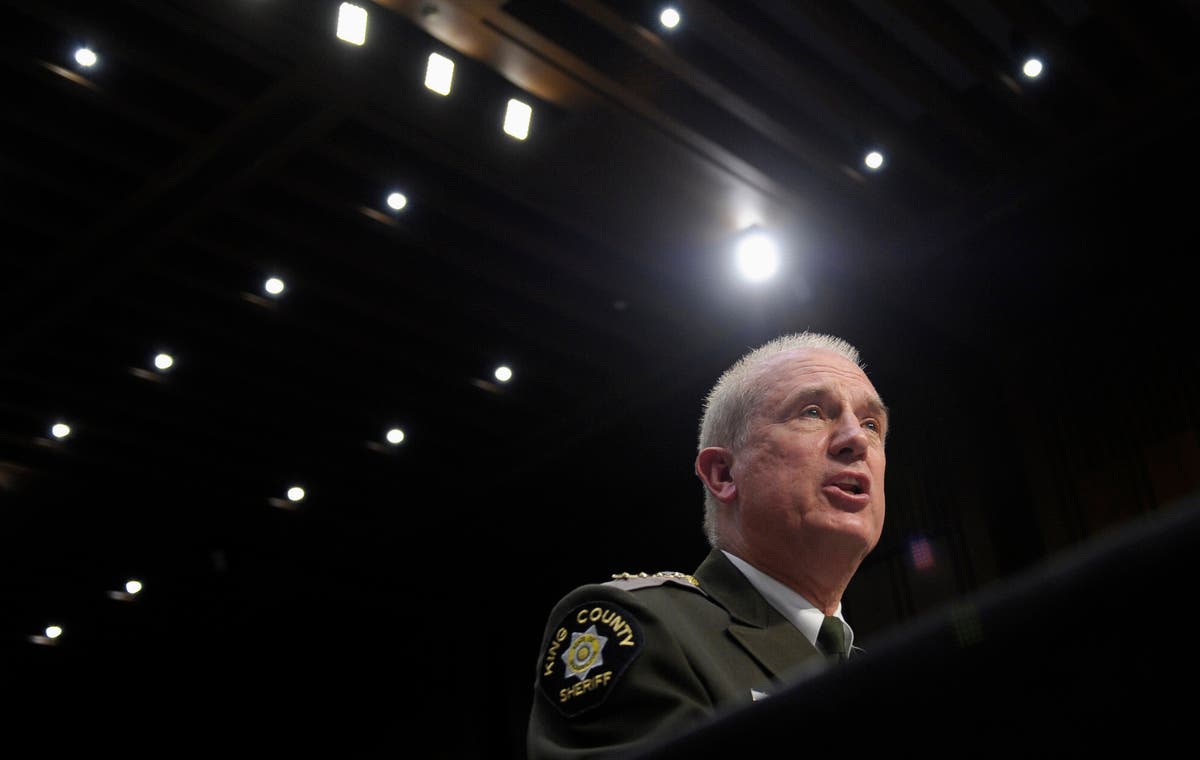
SEATTLE, WA – Last Wednesday, the Seattle Times published a bombshell story about King County Sheriff John Urquhart. The story revealed that a former deputy was paid a $160,000 cash settlement that avoided the oversight of the King County Executive's office. The report also revealed that Renton police are investigating Urquhart for sexual assault based on a complaint filed by the same former deputy.
Two days before the story was published, Times editor John de Leon received a letter from Urquhart’s attorney stating that the deputy making those sex assault allegations was not credible. The 15-page letter - the bulk deals with the deputy's reputation - begins with what could be interpreted as a threat not to publish the accusations.
“We understand that no letter from a lawyer is welcome,” attorney Jeffrey Tilden wrote to De Leon. “That said, our primary purpose here is not to threaten, but to help The Seattle Times make the right decision.”
Find out what's happening in Seattlefor free with the latest updates from Patch.
So, is it fair that a powerful elected official, someone who’s accountable to the public, can imply that a newspaper might get in trouble if it publishes an unflattering story? According to media experts Patch shared the letter with, yes.
Urquhart was playing what one journalist called “hardball.” Urquhart was well within his rights to threaten or even sue the Seattle Times if he feels it’s necessary, media experts say.
Find out what's happening in Seattlefor free with the latest updates from Patch.
“I think it’s pretty common,” University of Washington journalism professor Caley K. Cook told Patch. “A powerful person who has time and access to private attorney can make life scary for journalists.”
There are other recent examples. After the New York Times published a story detailing Harvey Weinstein's assaults of multiple women, Weinstein released a statement claiming the story was "saturated with false and defamatory statements." Former state Legislator Brendan Williams, who has been accused of sexual harassment by four women, told the Associated Press this week he would file lawsuits “both against the person making the allegations and any media outlet publishing them.”
Tilden initially declined to speak with Patch about the matter, but in a followup call on Monday, he said the letter wasn't about the Times publishing an "unflattering" article - it was about the Times publishing an article based on information provided by Barnes.
"It wasn't that the story was unflattering," Tilden said Monday. "The press has every right to publish unflattering stories. But [the Seattle Times] can't publish stories it should know are false."
Barnes' sex assault complaint, which is being investigated by Renton police, took a backseat in the story to reporting about the $160,000 settlement. Tilden said Urquhart has no problem with the Times reporting on the settlement because it's documented.
Urquhart has filed a defamation suit against Barnes, a former community deputy in the Skyway area who now works as a campus police officer in the Boston area. Asked Monday if he plans to sue the Seattle Times, Tilden said "no comment."
Rick Edmonds, a media business analyst with the Poynter journalism institute, said Tilden's letter was not a “demand letter,” a type of document that typically implies a lawsuit will be filed. Edmonds said it’s harder for prominent public figures like Urquhart to sue news outlets for libel or defamation. Public officials must prove “actual malice,” meaning the media outlet knowingly published falsehoods or had “reckless disregard” for the truth. Tilden said that, yes, the letter also provides a case for Urquhart to sue for actual malice.
Reporter Lewis Kamb wrote last Tuesday's article, one of a series of unflattering stories he's written over the past year about Urquhart. Last December, Kamb revealed a former deputy had accused Urquhart of rape. Kamb was also part of a team of reporters that wrote stories that caused Ed Murray to resign from office. Presumably, Kamb and his editors felt comfortable with the information they built the story around.
Jack Doppelt, a professor at Northwestern University’s Medill School of Journalism, said Urquhart’s letter is a good example of “the government playing hardball,” but it’s not censorship.
Doppelt used the Pentagon Papers case as an example of “prior restraint.” The U.S. attorney general under Richard Nixon asked a judge to stop the New York Times and Washington Post from publishing the papers, which detailed the government's atrocious history in Vietnam, Laos, and Cambodia during the Vietnam War era. The judge granted that request because the government argued releasing the documents would jeopardize national security.
The case went to the Supreme Court, and the Times won. Urquhart’s letter is not prior restraint because Tilden didn’t ask a judge to stop the paper from publishing. However, the effect of Tilden's letter, Dopelt said, is still "chilling."
“You as journalist have to play hardball in return,” Doppelt advised.
That might mean publishing a story in the face of scary letter from a powerful attorney.
Cook, who has worked as an investigative reporter at the Los Angeles Times and other large papers, said she’s received plenty of letters like the one the Times got. It might be easier for large, well-resourced outlets to forge through the threat of legal action. She worries about smaller publications and blogs that don’t have those resources.
“I take it as part of the investigative process,” Cook said of legal threats. “All of our sources have specific motives and it’s up to us as reporters to be thorough in fleshing out what those motives are.”
Patch obtained the letter from the sheriff's office as part of a packet of materials - including the results of a polygraph - Urquhart distributed to defend himself. If other news outlets also saw the letter, it didn't scare them. The Stranger reported on a raft of endorsements Urquhart lost after the Times story came out. KING 5 reported that Urquhart came to an interview with a folder full of documents about Barnes, including some documents marked "private and confidential."
Was the Times intimidated by the letter? The paper declined an interview request, but Metro Editor Matt Kreamer sent Patch this statement:
“We don’t know what other media outlets received the letter or how they reacted to it. As for our own reaction, we’ll let our stories speak for themselves.”
Image via Elaine Thompson/Associated Press
Get more local news delivered straight to your inbox. Sign up for free Patch newsletters and alerts.