Community Corner
Major Failures Plague Homeless Response: King County Auditor
Getting homeless people into housing in King County is an abyss of problems from racial disparities to a lack of affordable units.


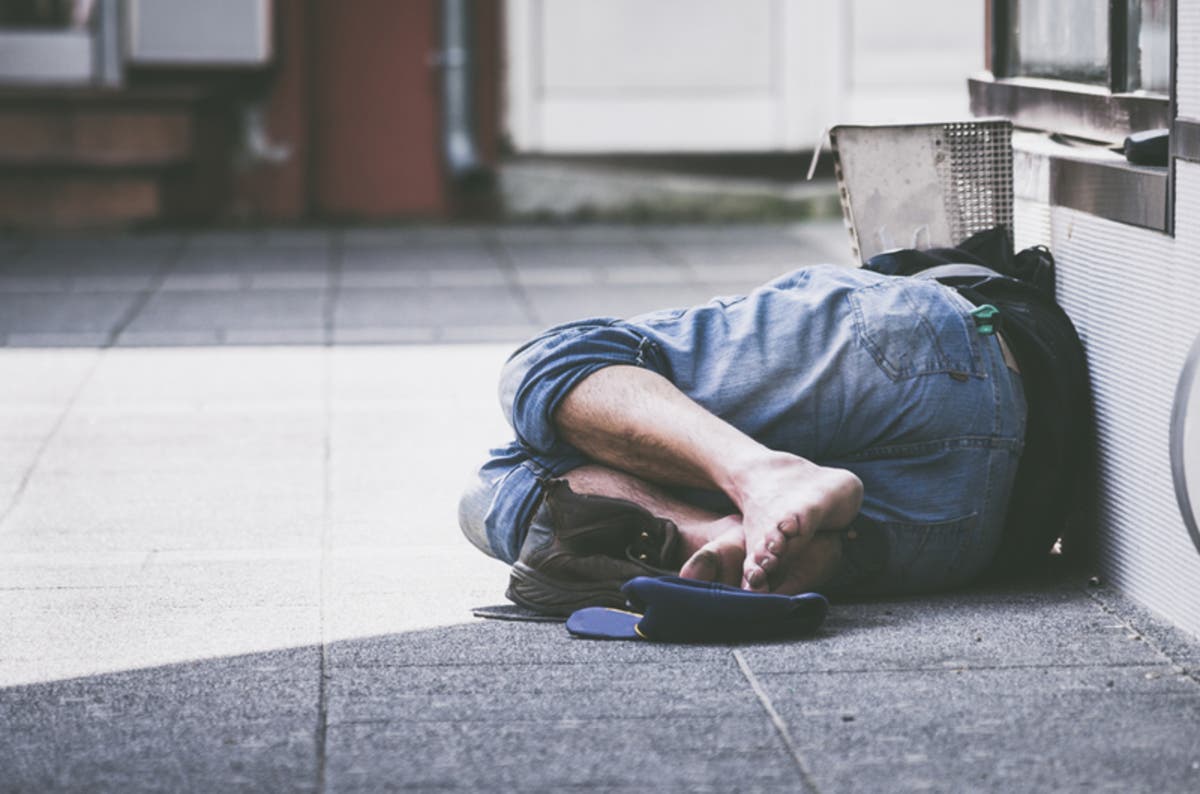
SEATTLE, WA - A new report from the King County Auditor has found failures in the local response to rehousing homeless people. The methods used by the county, city of Seattle, and nonprofit groups are inefficient, slow, and too diffuse to address the homelessness crisis, the report found.
The report also found major problems outside the agencies. The homeless often miss out on housing due to the low number of available affordable homes, and because homeless people sometimes don't show up to appointments.
Housing providers will deny a person a housing referral if they don't show up for an appointment. About 33 percent (236) of people were denied housing referrals by King County because they missing an appointment or phone call, according to the report.
Find out what's happening in Seattlefor free with the latest updates from Patch.
The audit also found racial disparities in the homelessness response. American Indian and Alaskan Natives wait for housing about a month longer on average than other racial groups.
"Fifty seven percent of American Indians and Alaska Natives waited more than 90 days from assessment to enrollment, compared with 39 percent for all racial and ethnic groups combined," the report reads.
Find out what's happening in Seattlefor free with the latest updates from Patch.
Wait times are a widespread problem, however. The U.S. Department of Housing and Urban Development (HUD) goal is a two-month wait for housing. Young adults wait the shortest amount of time in King County - 4-1/2 months. Families can wait nearly 6 months on average.
The local rapid-rehousing program also suffers from long wait times. The national standard for rapid rehousing is 30 days, but households wait an average of about 75 days in King County and Seattle. About 10 percent of people served by rapid rehousing reenter homelessness, according to the report, which is double the national standard.
At the same time, homeless people are competing with other low-income households for limited affordable housing units around the region.
In King County, there are on average 470 one-bedroom units and studios affordable to households making less than 30 percent of area median income at a time.15 Since 2016, RRH providers have sought these types of units for an average of between 235 and 386 households at a time16 (see Exhibit I). This means that providers would need to be able to place clients in half to over three quarters of these available units, with constrained conditions for larger households as well. Given that other households compete for these same market units, finding units that RRH enrollees can occupy is a challenge.
In response to the audit, King County Executive Dow Constantine said that 19,000 out of 20,000 homeless people in 2017 were successfully served by local housing programs. But, Constantine said that the county's Department of Community and Housing Services concurred with 12 of the auditor's recommendations to improve the system.
Image via Shutterstock
Get more local news delivered straight to your inbox. Sign up for free Patch newsletters and alerts.