Neighbor News
Millennials and the Suburbs of the Future
"How can technology, revolutionary design and planning transform suburban living?"

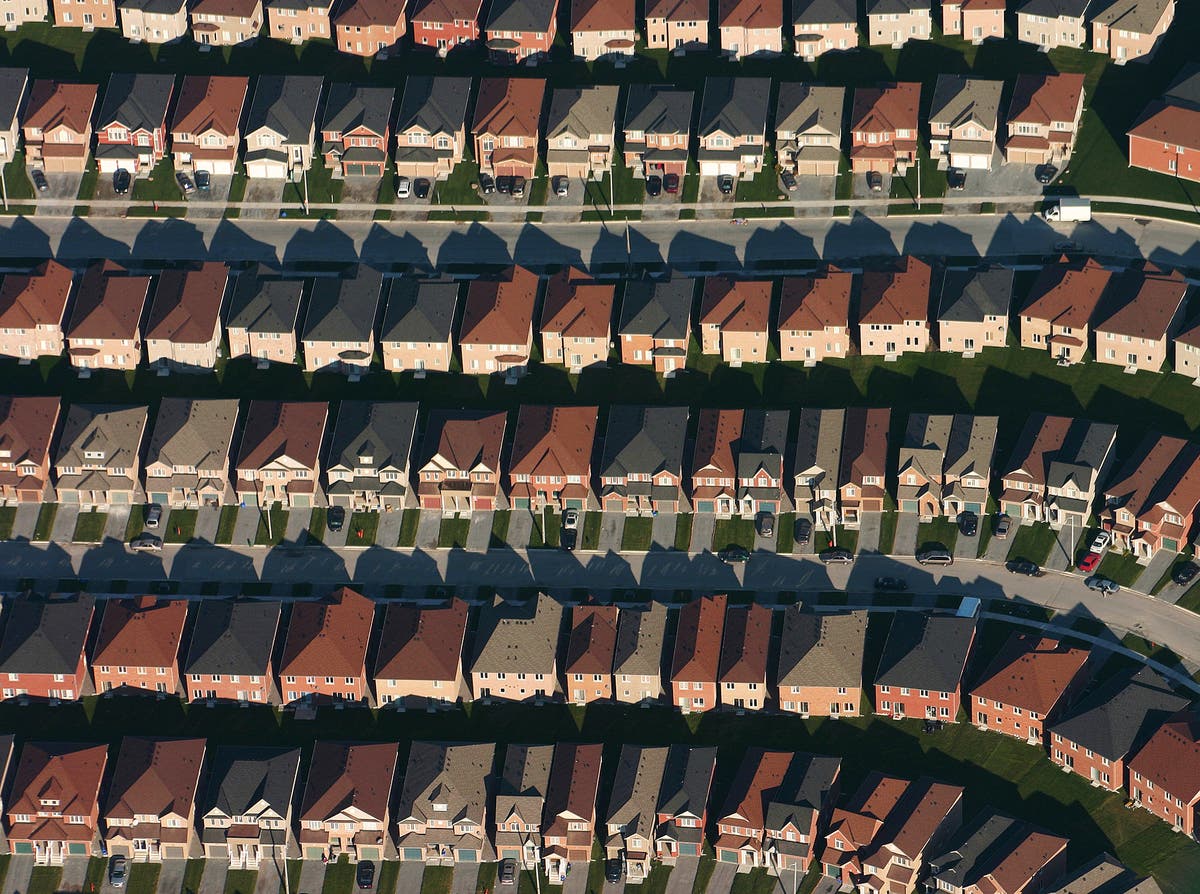
No matter how much time passes, it seems we just can’t resist talking about Millennials. The New York Times recently ran an article titled “The Suburb of the Future, Almost Here” that ponders the march of suburbia across the great American landscape, ultimately asking:
“How can technology, revolutionary design and planning transform suburban living?”
The article details that the future of Millennials and housing lie in transformative new suburb designs, ranging from huge advancements in sustainable living, housing affordability, and even drone-delivery-friendly porches. However, the future envisioned by the article’s author, Alan M. Berger, may be hopeful at best. What will the suburbs of the future actually look like?
Find out what's happening in Seattlefor free with the latest updates from Patch.
Millennial Moving and Housing Trends
If we take a look at Millennial moving trends, it’s clear that this generation has stayed with their parents for longer than any other generation to date. Some reckon that it’s simply “the Millennial way” to buck tradition and go against the grain, but those more informed know that this is more than just social nuance — this is economic necessity.
Business and lifestyle author Nicolas Cesare, in his article “Why are Millennials Renting Rather than Buying”, notes that while “only 35 percent of Millennials owned homes in 2016... When Baby Boomers were in their 20s and 30s, they had a homeownership rate of over 40 percent. The fact is that homeownership for Americans under 35 is at its lowest since the data became available in 1982.”
Find out what's happening in Seattlefor free with the latest updates from Patch.
The economy is what’s really affecting Millennial lifestyle choices, going beyond whether or not they’re going to buy homes to affecting whether or not they’re even going to get married. This constant bowing-to-necessity guides more choices than many Millennials might like to admit, and could be the difference between the suburban design Millennials “want” vs. the suburban design Millennials “need”. However, if there’s one thing Berger got right, it’s how much the suburbs of the future will be influenced by certain forces beyond Millennial control — the force of nature.
How Climate Will Change the Suburbs
Berger points out that Hurricanes Harvey and Irma both made very clear that the US needs better drainage systems (especially in suburban areas) to handle the increase in precipitation brought upon by climate change. This, in conjunction with disdain for waste, visual monotony, and neighborhoods designed around automobile movement, leads Berger to believe that we’ll see a reduction in the number of garages, driveways, and ultimately pavement. This paving reduction of “up to 50 percent” means that the plant-to-pavement ratio of tomorrow’s suburbs will be even better at absorbing water.
As people become more concerned with reducing their carbon footprint, and as driverless vehicles begin taking to the road, it’s predicted that we’ll rely more on footpaths as well as drone deliveries instead of cars. This leads a few to believe that suburbs will become more like community centers with a centralized drone ports and car ports (as well as drone-accessible porches for packages under 5 lbs), as well as friendlier pedestrian walkways connecting open spaces and communal areas.
With all this talk of cars that park themselves, doorstep drone deliveries, and more environmentally friendly landscapes, one has to wonder just how far off this future is? While Berger might state that it’s “almost here”, and is supported by the fact that solar energy is on the rise, there are still thorns in the side of this proposed future, including economic necessity and political interests.
Potential Hurdles
Sustainable suburbs likely will not be cheap, and it’s hard to say whether or not Millennials will be financially stable enough to spur generational change. CNBC reports that Millennials lack confidence when it comes to investments, particularly the stock market. While yes, Millennials are becoming the largest group of homebuyers in the US, they’re also making 20 percent less than boomers were at the same age. It’s hard to say whether Millennials will be able to afford the new innovative suburbs of the future.
One potential solution would be government subsidies for developers and homebuyers. This isn’t such an absurd idea, considering that the government does already give incentives for green conversions and other housing sustainability upgrades — but unfortunately, our current administration may not be keen on providing such incentives.
The Trump administration’s blatant disregard for environmental issues lead to groups of scientists and supporters of environmentalism marching on Washington in April of 2017. Only time will tell if clear public support for environmental protections will be heeded, and the first evidence may just be found in the suburbs of the future.