Health & Fitness
Pain Pills Flooded King County As Opioid Crisis Rose: Data
Amid the opioid crisis, the DEA said 45 million pain pills flowed into King County. The figure equals 34.5 pills per resident per year.


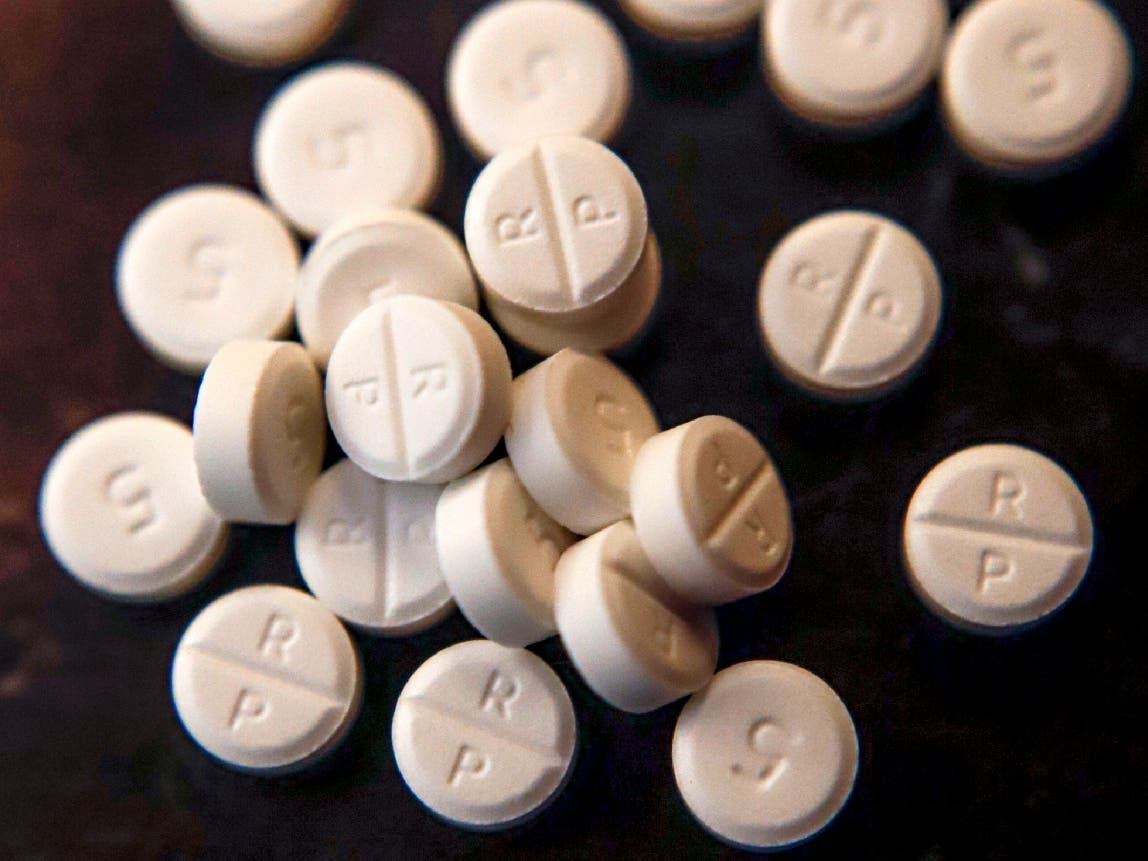
SEATTLE, WA — More than 45 million pain pills flowed into King County over a seven-year period at the beginning of the opioid crisis, according to a new analysis of a Drug Enforcement Agency database that tracks prescription drugs.
The database was published July 16 by The Washington Post and covers 2006 to 2012, a period when hundreds of thousands of Americans died of overdoses or developed opioid addictions due to the wide availability of pain pills. The data show that enough pills were shipped to King County over the time to supply every resident with 34.5 pills per year.
King County was on the lower end in Washington. Clallam County, home to Port Angeles and Sequim, got 37.8 million pills over those six years, enough for every resident to get 76 pills per year. Pend Orielle County in Eastern Washington — population 13,300 — got 6.65 million pills, enough for 73.9 pills per person, per year.
Find out what's happening in Seattlefor free with the latest updates from Patch.
"These records provide an unprecedented look at the surge of legal pain pills that fueled the prescription opioid epidemic, which resulted in nearly 100,000 deaths during the seven-year time frame ending in 2012," The Post wrote in its report.
In 2006, overdoes caused by opioid pills began to climb in King County. That year, 147 people died of pharmaceutical opioid overdoses, according to the state Department of Health. That number remained steady between 130 and 140 deaths per year until it declined in 2011. There were 91 prescription opioid deaths in King County in 2017, the latest year data is available.
Find out what's happening in Seattlefor free with the latest updates from Patch.
Between 2006 and 2012, a wholesale pharmacy serving senior living centers located in an office park off Interstate 5 in Tukwila received the highest number of pills — over 16 million — in King County. CVS Health bought the pharmacy in 2015 and changed the name to Omnicare.
A CVS spokesman said that the company has reduced distribution of opioids by 30 percent amid the crisis.
"Keep in mind that doctors have the primary responsibility to make sure the opioid prescriptions they write are for a legitimate purpose," CVS Health spokesman Mike DeAngelis told Patch.
A Kaiser mail-order pharmacy in Renton received the second-highest number of pills. Spokesperson Julie Popper said the Renton facility serves over 710,000 Kaiser members in Washington.
"The higher number of prescriptions is because this high-volume pharmacy serves so many people, helping us keep costs down," Popper said in an email.
Popper did not immediately respond when asked if the numbers remained as high after 2012.
Beginning in 2012, the state began publishing data on opioid prescriptions through the Prescription Monitoring Program. The PMP allows prescribing doctors to see if patients are using other controlled substances, partly in an effort to eliminate patients who "doctor shop" to get narcotics, according to the DOH.
Opioid prescriptions have dropped in King County since the PMP went into place. During the first quarter of 2012, there were 82.9 opioid prescriptions per 1,000 people in the county. But by the fourth quarter of 2018, that was down to 57 prescriptions per 1,000 people.
But as prescriptions for opioids dropped, people had become addicted turned to alternatives like fentanyl and heroin. Heroin use began to spike in 2010, according to the Centers for Disease Control, and fentanyl overdoses exploded nationwide beginning in 2013.
In 2017, 43 King County residents died after overdosing on fentanyl, the highest on record since 2000. There have already been 41 fentanyl overdose deaths over the first two quarters of 2019, according to King County data.
Meanwhile, prescriptions drugs that treat opioid use disorder have skyrocketed. There were about 5,000 Medicaid patients getting medication-assisted treatment (MAT) prescriptions in 2013 — but MAT prescriptions were up to 21,500 statewide in 2017.
Statewide between 2006 and 2012, 452,997,371 pain pills were shipped to Washington, according to The Post's analysis. More than half of those pills were made by the pharmaceutical company SpecGx LLC, which is a major manufacturer of oxycodone and hydrocodone.
Here are the top 10 pharmacies by number of pills received. A full list of 900 pharmacies in King County that received pills can be seen in this document.
- Evergreen Pharmaceuticals, Tukwila — 16,093,430 pills
- Kaiser Foundation Health Plan of Washington, Renton — 12,437,600
- Assured Pharmacies Northwest, Bellevue — 8,618,400
- Swedish First Hill Pharmacy, Seattle — 5,997,260 pill
- Pharmerica, Kent — 5,338,145
- Eastern's Pharmacy, Seattle — 5,206,640
- Kaiser Foundation Health Plan of Washington, Seattle — 5,096,100
- Kaiser Foundation Health Plan of Washington, Federal Way — 4,294,500
- Walgreen's, Burien — 3,921,200
- Walgreen's, Kent — 3,623,040
Get more local news delivered straight to your inbox. Sign up for free Patch newsletters and alerts.