Crime & Safety
Police Officer's Ruse Contributed To Man's Suicide, OPA Finds
Seattle's civilian-led oversight office found an SPD officer's lie played a role in the death of a hit-and-run suspect in 2018.

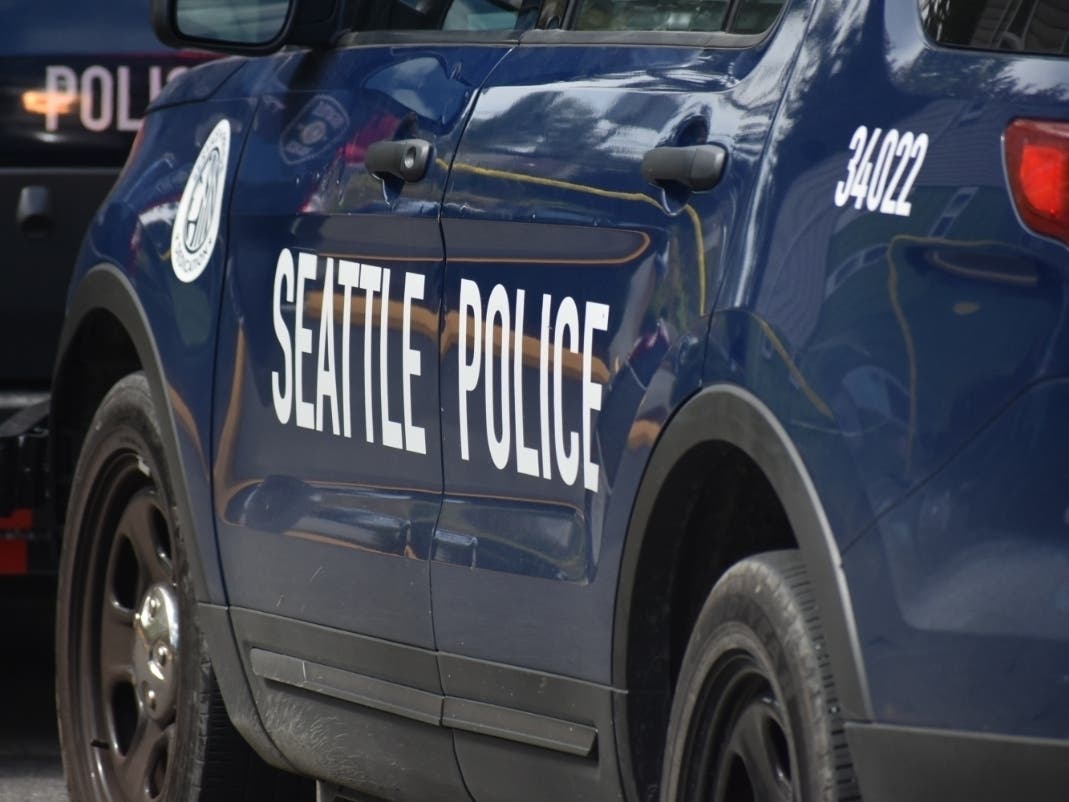
SEATTLE (AP) — The Seattle Police Department’s civilian watchdog has found that an officer’s ruse in a 2018 hit-and-run case contributed to the driver’s suicide.
The Office of Police Accountability said that to get the suspect to turn himself in, the officer told one of the suspect’s friends that the crash left a woman in critical condition and that she might not survive, The Seattle Times reported Friday.
In reality, it was a fender-bender with no injuries.
Find out what's happening in Seattlefor free with the latest updates from Patch.
The driver’s friend told him what the officer had said, and the driver began to think that he had possibly hit a pedestrian without knowing it. The friend reported that the driver had been addicted to heroin for two decades and that he became increasingly despondent over the possibility he killed someone. Soon thereafter, in June 2018, he died by suicide.
Andrew Myerberg, the OPA’s civilian director, found that the officer’s decision to use the ruse in a low-level case “shocked the conscience.” Police Chief Carmen Best upheld the findings and suspended the officer for six days without pay.
Find out what's happening in Seattlefor free with the latest updates from Patch.
The officer’s partner told the accountability office there was no need to use a ruse to get information, since the woman was being cooperative in helping them locate the driver.
The department declined to release the identities of the officer and the driver.
After the driver’s death, his friends and his mother began looking into the circumstances of the hit-and-run, including obtaining body-worn video from the officer.
According to the accountability office report, the officer discussed using the ruse as they approached the friend’s house in West Seattle, where the driver had registered his car. The officer told his partner: “It’s a lie, but it’s fun.”
The officer told the OPA the ruse was reasonable and necessary in response to an ongoing public safety threat. While saying the man’s death was regrettable, the officer said he did not believe he had abused his discretion.
The watchdog agency disagreed. There was no ongoing public safety threat, no indication the driver was armed and no urgent need to arrest him, Myerberg said.
Myerberg recommended that the department provide training on ruses, including “when they are appropriate and when they shock fundamental fairness.”
He said the department should consider using the case as an example of the consequences of an inappropriate falsehood.
In a written statement Thursday, the department said, “The officer’s actions did not meet SPD’s standards of acceptable use of discretion and were not consistent with the standards of professionalism or training.”
The statement added that last year the department provided in-service training to all sergeants, officers and detectives on the appropriate use of ruses during criminal investigations.
Statement from Seattle Community Police Commission co-chairs, Rev. Harriett Walden and Emma Catague:
“Our thoughts are with the loved ones affected by this tragedy. This case clearly demonstrates the need for reform. The CPC will be reviewing the policy at our next meeting. In the meantime, we urge the Seattle Police Department to be as transparent as possible and publicly release the police chief’s Disciplinary Action Report on this case.”