Politics & Government
Preliminary Results From 'Murder Hornet' Nest Study Revealed
The Washington State Department of Agriculture has released preliminary results from their study of an Asian giant hornet nest.


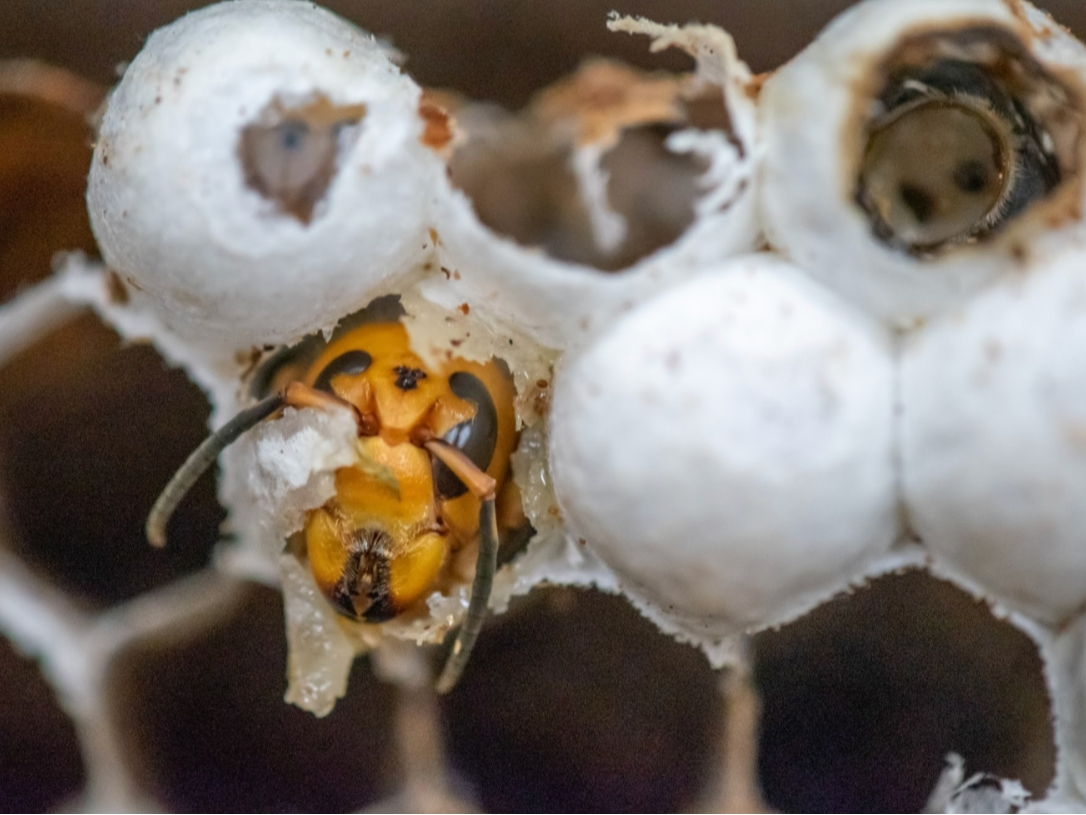
SEATTLE – The Washington State Department of Agriculture has released preliminary results from their study of the Asian giant hornet nest their researchers recovered from a Blaine property in October.
Researchers said the nest was just over 8 feet high, 14 inches long and between 8 and 9 inches wide.
The preliminary results are as follows:
Find out what's happening in Seattlefor free with the latest updates from Patch.
- Six layers of combs, the structures that hold the hornet larvae as they develop, were found in the nest.
- There were 776 cells, which can hold a developing Asian giant hornet.
- Six unhatched eggs were found.
- There were 190 larvae discovered, many of which had fallen out of the combs into the tree cavity during nest removal.
- There were 108 capped cells with pupae, the next stage after larvae, discovered. Most were believed to be pupae of new virgin queens.
- A total of 112 workers were discovered, including 85 workers that were vacuumed out of the nest on Oct. 24.
- Nine drones, or male hornets, were discovered.
- Researchers discovered 76 queens, all but one of which likely would be new virgin queens.
The nest is the first ever discovered on U.S. soil, found in October buried in a tree on a Blaine, Washington property near the border with Canada. Researchers had been searching for the nest since last winter, when locals first reported several suspect insect carcasses.
Related: 98 'Murder Hornets' Removed From Nest In Washington: Photos
Find out what's happening in Seattlefor free with the latest updates from Patch.
There have been some signs already that this may not be the only nest in Washington.
The WSDA plans to continue trapping through at least Thanksgiving but will likely only track worker hornets, according to an update posted on Tuesday. Entomologists will not track new queens, but will attempt to locate a mate. the WSDA will also continue to trap for at least three more years to demonstrate the area is free from Asian giant hornets.
Eradicating any and all nests is a priority for Washington state. The invasive bugs are not native to the continent, and while the so-called 'murder hornets' can kill victims, through stings and spitting venom, they are a much larger threat to the local honeybee population.
Researchers say, if the hornets discover a honeybee colony, they will systemically destroy the hive over just a few hours.
Get more local news delivered straight to your inbox. Sign up for free Patch newsletters and alerts.