Weather
Puget Sound Smoke Worsens Friday Before Weekend Relief: Forecast
Wildfire smoke from British Columbia and California arrived over Puget Sound Thursday — and things may get worse before they get better.


SEATTLE — Western Washington is in for at least one more day of hot temperatures and smoky skies, with multiple air quality alerts and an excessive heat warning in effect until early Saturday evening.
Smoke from wildfires burning in British Columbia and Northern California arrived in Puget Sound Thursday, and air quality readings degraded to the "moderate" range for much of King and Pierce counties by early afternoon. Air quality was worse for portions of Kitsap, Island, Skagit, Clallam, Jefferson and Whatcom counties.
The good news is that both the smoke and the heat should be relatively short-lived, but forecasters expect conditions will worsen Friday before they improve.
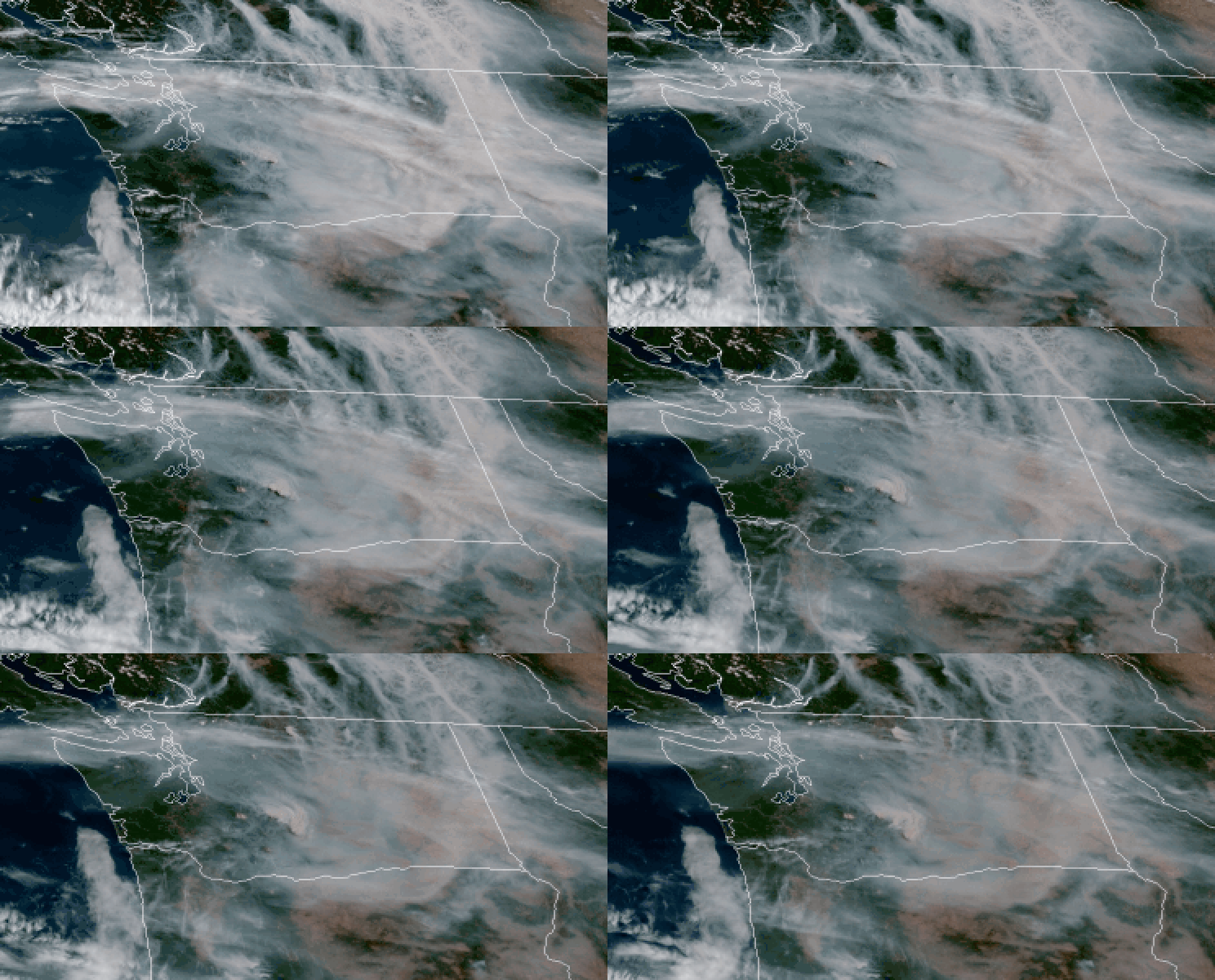
"Expect air quality readings in the Moderate to Unhealthy for Sensitive Groups range on Friday across much of western Washington, with a few spots hitting Unhealthy," wrote Andrew Wineke, with the Washington State Department of Ecology. "A plume from the Schneider Springs Fire northwest of Naches may also pass over the central Puget Sound on Friday morning and bring much higher smoke concentrations for a few hours."
We knew it was too good to last - starting to see smoke from both CA and BC wildfires in W. Washington, likely to worsen Friday. The smoke is not expected to stick around, though - a cold front arriving Sunday should clear things out. Full forecast - https://t.co/2qymVCWHyb pic.twitter.com/BN33rPPJhl
— WA Department of Ecology (@EcologyWA) August 12, 2021
The Puget Sound Clean Air Agency has issued an air quality alert for King, Pierce, Snohomish and Kitsap counties, joining alerts issued elsewhere by the Olympic Region Clean Air Agency and the Northwest Clean Air Agency. The scenario is much worse east of the Cascades, where virtually every monitoring station showed air in the unhealthy ranges Thursday. An air quality alert is in place for all of Eastern Washington until Monday morning.
After coordination with AQ agencies this morning, the Department of Ecology has issued an AQ alert for all counties east of the Cascade crest in Washington through Monday morning. An alert also issued for Bonner, Kootenai, Benewah, and Shoshone counties. #wawx #idwx pic.twitter.com/yNUWCEzEVM
— NWS Spokane (@NWSSpokane) August 12, 2021
For temperatures, earlier forecasts remain on track, with Friday afternoon highs expected near the mid-90s in Seattle and the high-80s in Tacoma. Portions of Pierce County could get a degree or two warmer, including Puyallup and Bonney Lake, while Redmond and Issaquah could inch closer to triple digits.
It is both hot and smoky today. Tomorrow is expected to also be hot and smoky for many areas. Make sure to drink plenty of water and take it as easy as possible. #wawx pic.twitter.com/r7p6tMGhOv
— NWS Seattle (@NWSSeattle) August 12, 2021
Fortunately for both sides of the state, a cooler front is approaching and should clear out most of the smoke by Sunday. The forecast shows a slight chance of showers in the Seattle area into Monday morning as temperatures dip back into the 70s.
Smoke and air quality resources:
- Washington Smoke Blog
- Daily air quality forecasts
- Wildfire smoke preparedness tips
- AirNow's live smoke and air quality maps
Where to find cooling centers:
Heat tips from the Washington State Department of Health:
- Stay indoors and in an air-conditioned environment as much as possible. Consider wearing a mask whenever you’re indoors with people who don’t live with you.
- Keep your home cool by pulling window shades closed throughout the day. Use your stove and oven less to maintain a cooler temperature in your home.
- Do not rely on a fan as your only cooling source. While electric fans might provide some comfort, they won’t prevent heat-related illness when temperatures are very hot.
- Check on your friends, family and neighbors before bedtime. The heat isn’t expected to dip at night, so people who need help may not realize it until much later in the day. Assist those who are vulnerable or at higher risk, neighbors who are elderly, ill or may need help.
- Stay hydrated. Drink plenty of fluids but don’t wait until you’re thirsty to drink.
- Keep outdoor pets safe in the heat, make sure they have protection from heat. Walk on grass instead of asphalt, which can burn your pet's paws. Never leave any person or pet in a parked vehicle.
- If you notice symptoms of heat illness (dizziness, nausea, headaches, muscle cramps), act immediately. Move to a cooler location to rest for a few minutes and seek medical attention immediately if you do not feel better.
- Follow water safety tips if you go swimming or boating. Remember that swimming in open water is very different from swimming in a pool and make sure to wear a life jacket that fits you.
- Check for restrictions or warnings in your area before lighting any outdoor fires. High temperatures and dry conditions increase wildfire risk.
- Read the CDC's list of frequently asked questions regarding extreme heat.
Get more local news delivered straight to your inbox. Sign up for free Patch newsletters and alerts.