Community Corner
'Say Her Name': Charleena Lyles Protest An Outlet For Grief Over Mother's Death
A Tuesday night vigil for Charleena Lyles turned into a demonstration that shut down major streets in Seattle.


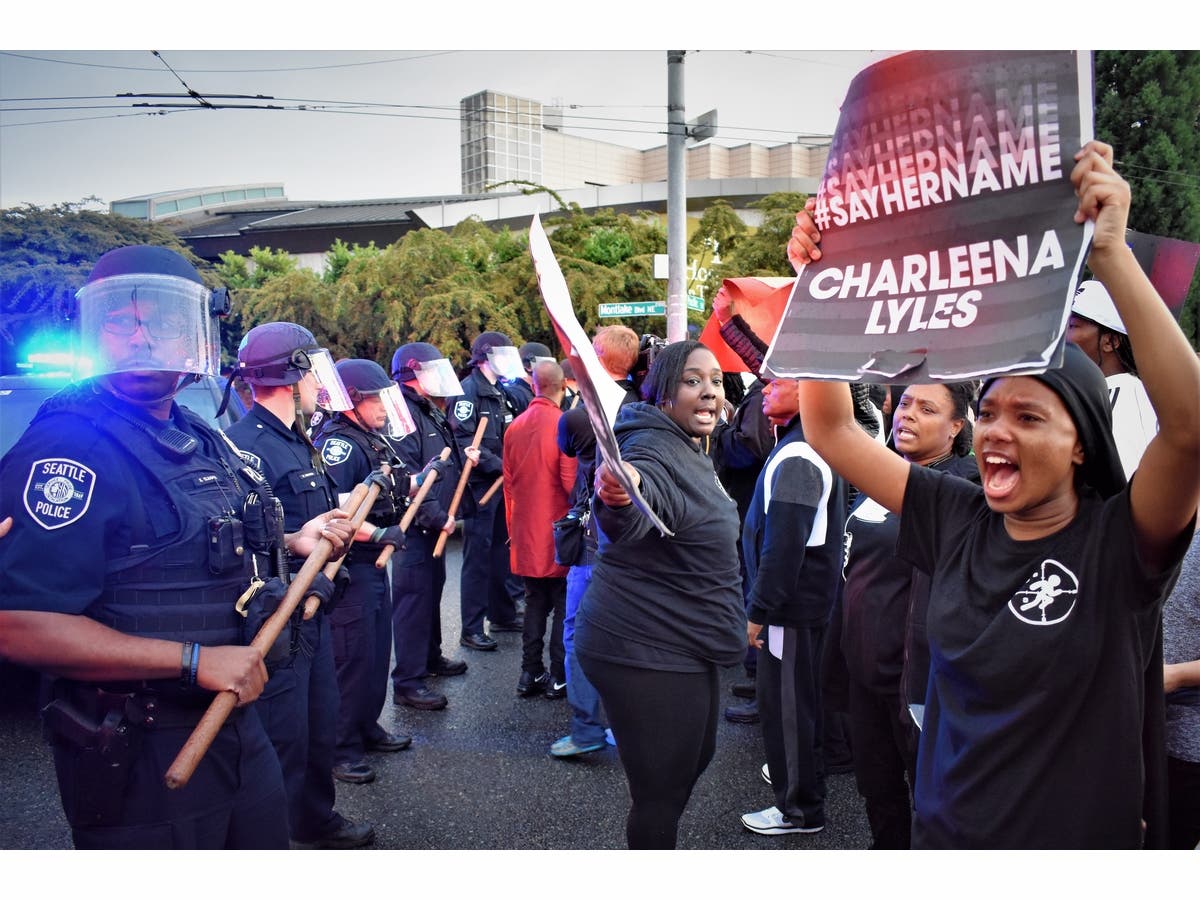

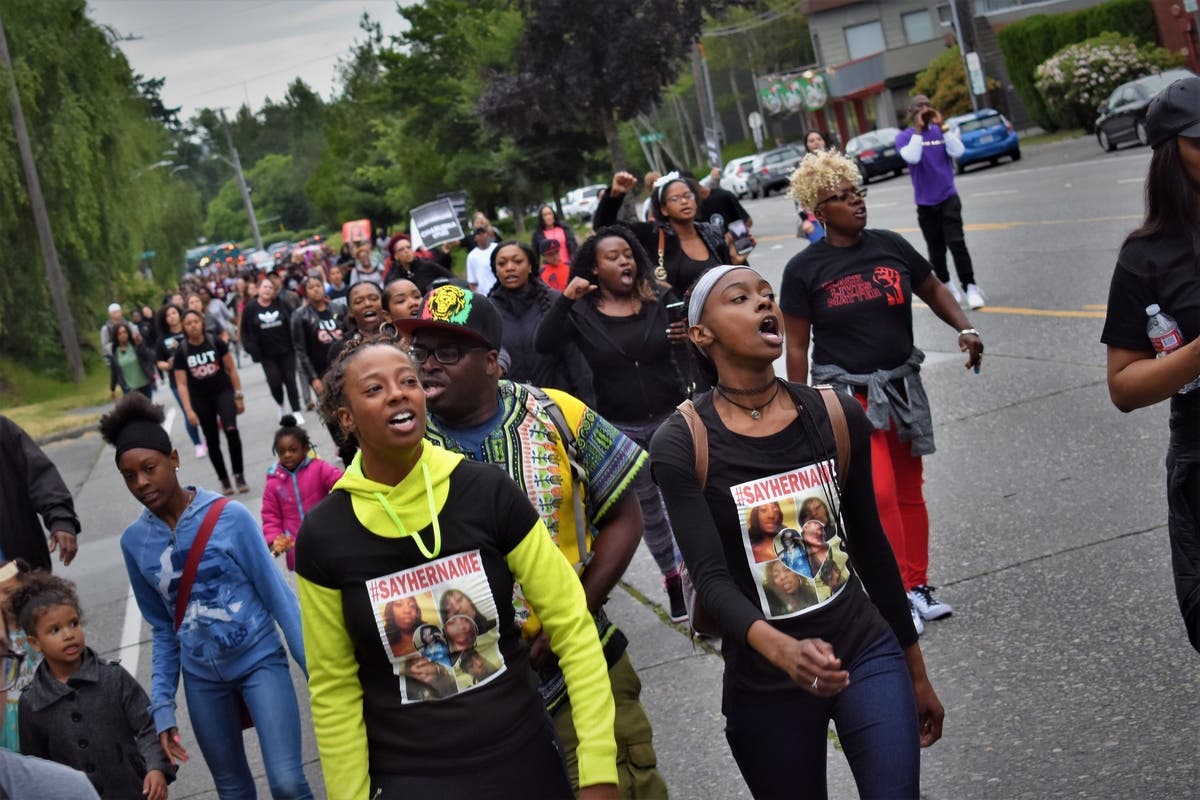
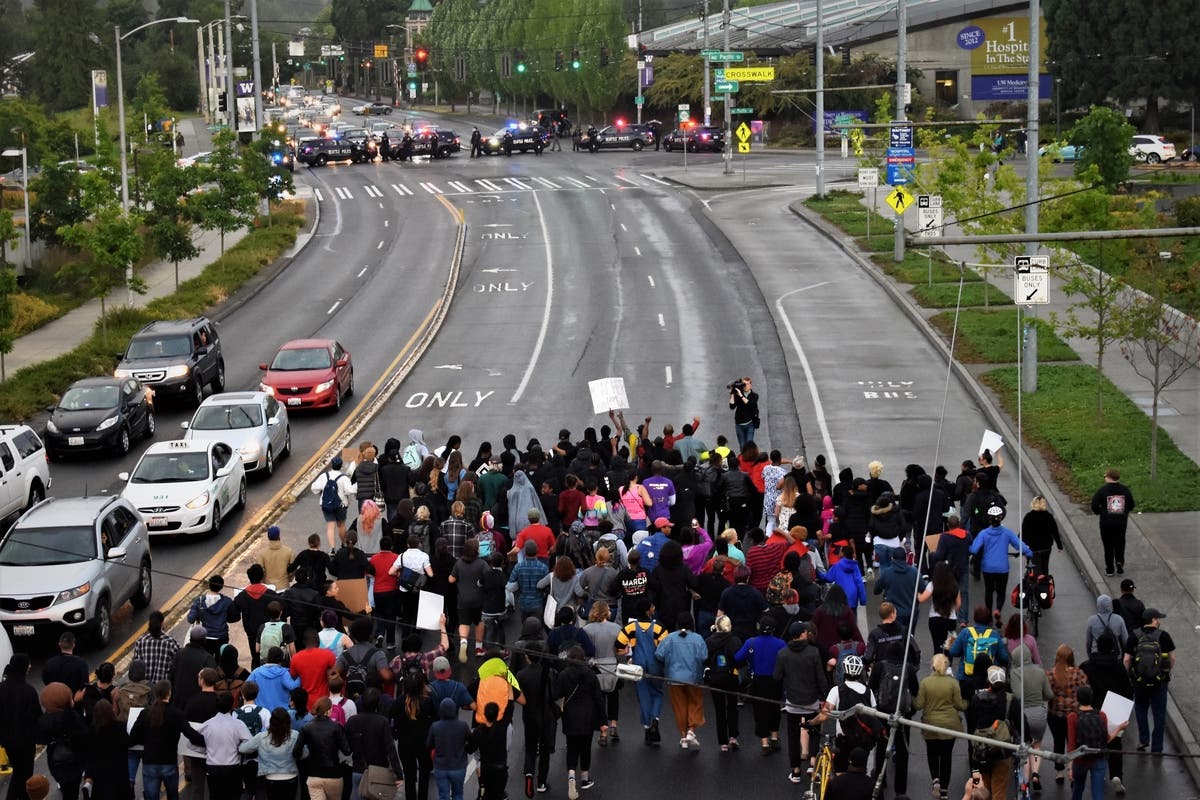
SEATTLE, WA - Grief over the death of mother Charleena Lyles at the hands of Seattle police boiled over into a large but peaceful protest in Seattle Tuesday night. Hundreds of people had gathered Tuesday at the apartment complex where Lyles had lived - and died - at Magnuson Park to hear speeches from relatives and supporters. Then, with Lyles' relatives at the front, the crowd marched south down Sand Point Way to Husky Stadium at the University of Washington.
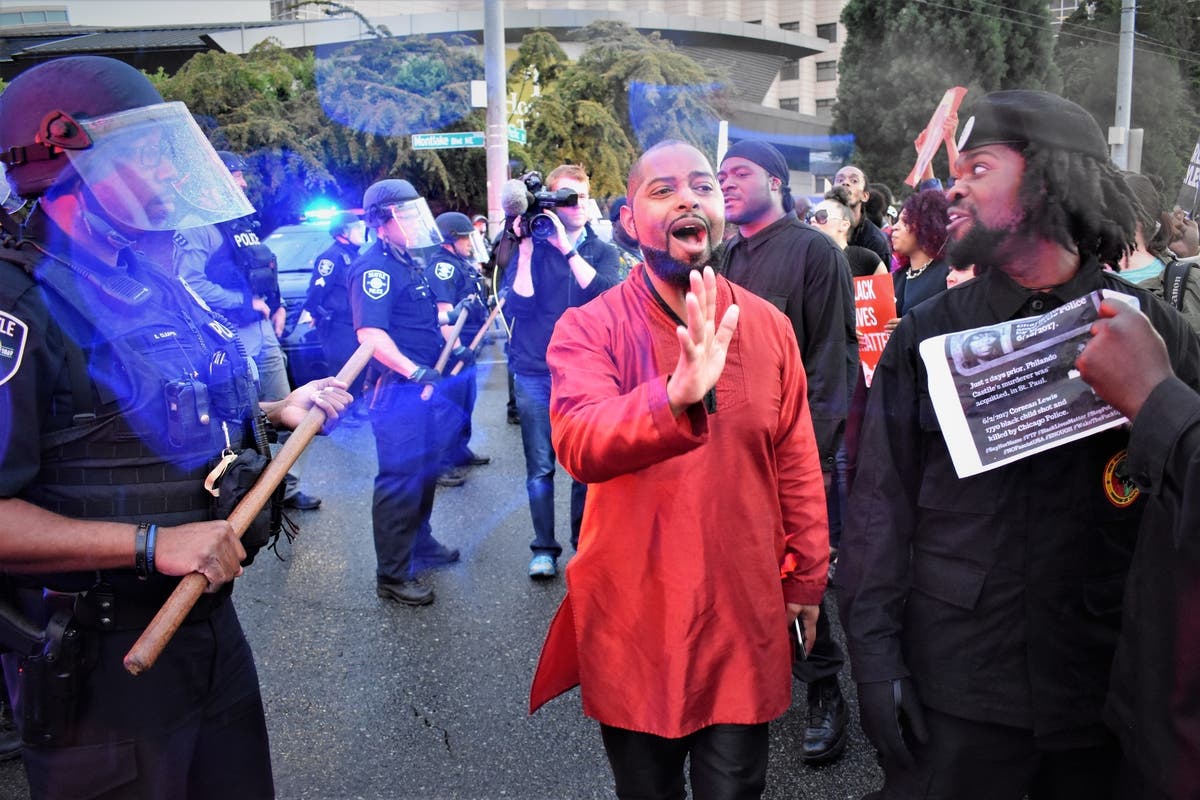
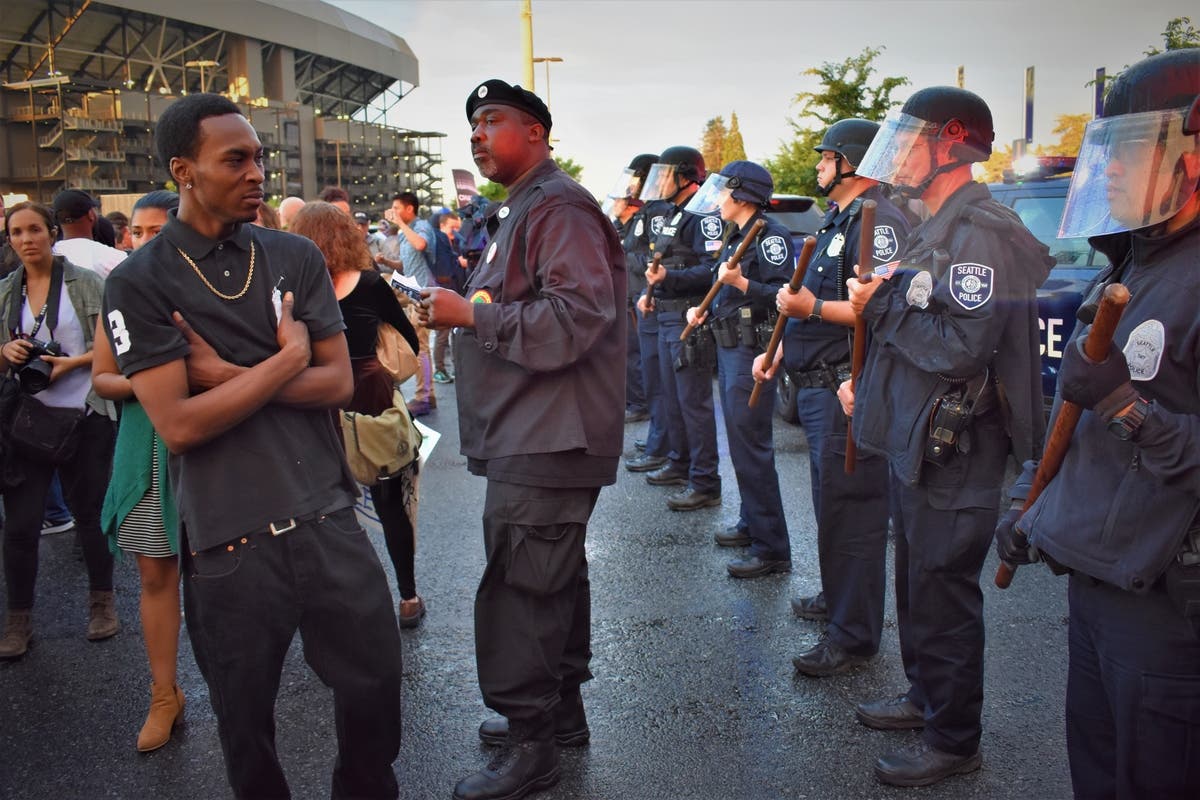
Near the Montlake Bridge, the crowd of hundreds came face-to-face with a row of Seattle police armed with batons, some wearing riot gear and holding non-lethal riot control weapons.
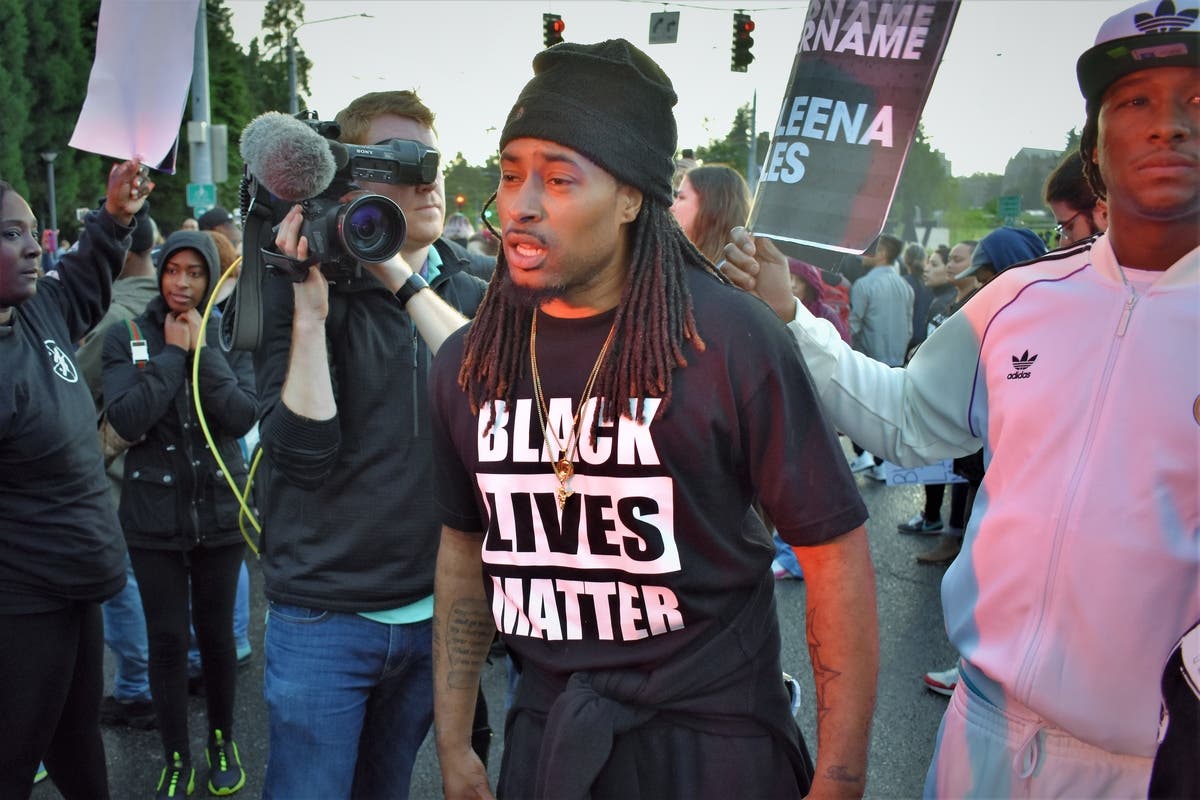
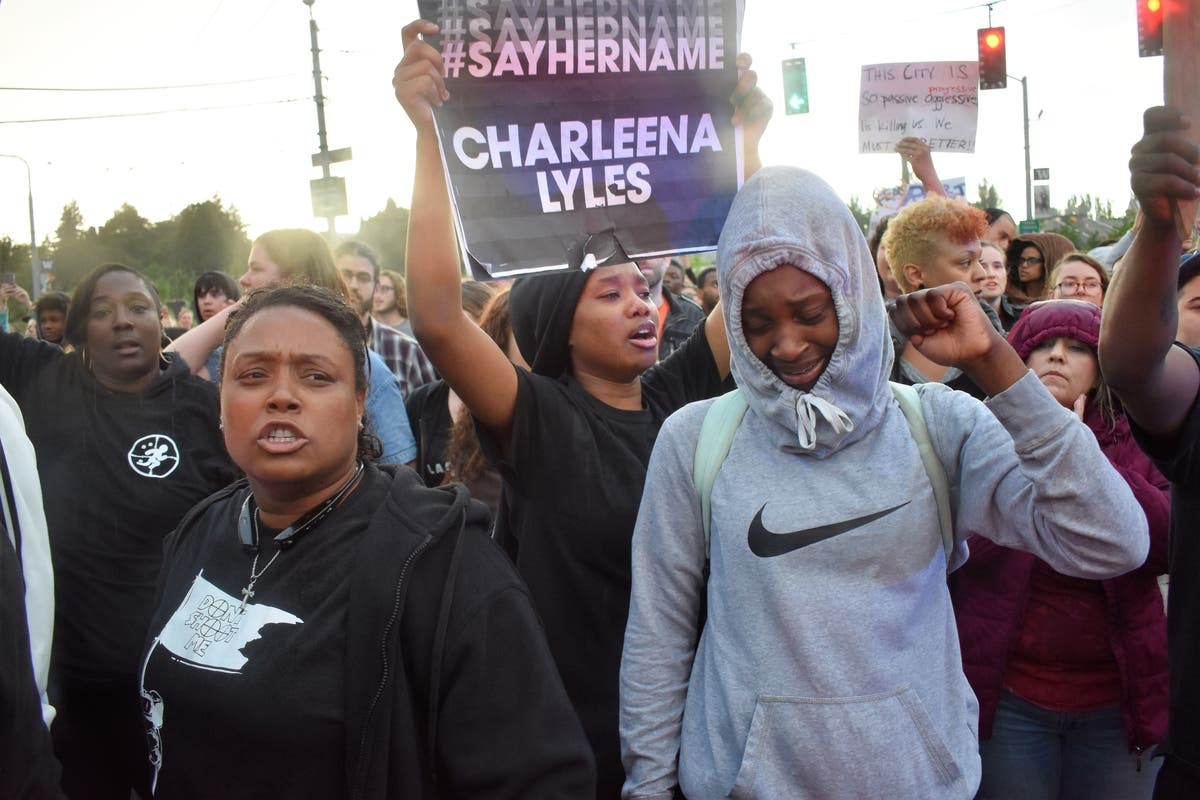
The confrontation between Lyles' family and Seattle police was tense and raw, but not violent. Lyles' family and other supporters unleashed tears, insults, and questions at the police in what felt like a form of therapy for those grieving over Lyles' death.
Find out what's happening in Seattlefor free with the latest updates from Patch.
Darius Isabell, Lyles' cousin, at one point approached the line of police with a pained and angry expression on his face. He later said that Tuesday's rally was probably his one chance to confront police about his cousin's death.
"In this moment, I felt my cousin was looking down, smiling on me," Isabell, who lives in Seattle, said of Tuesday's march.
Find out what's happening in Seattlefor free with the latest updates from Patch.
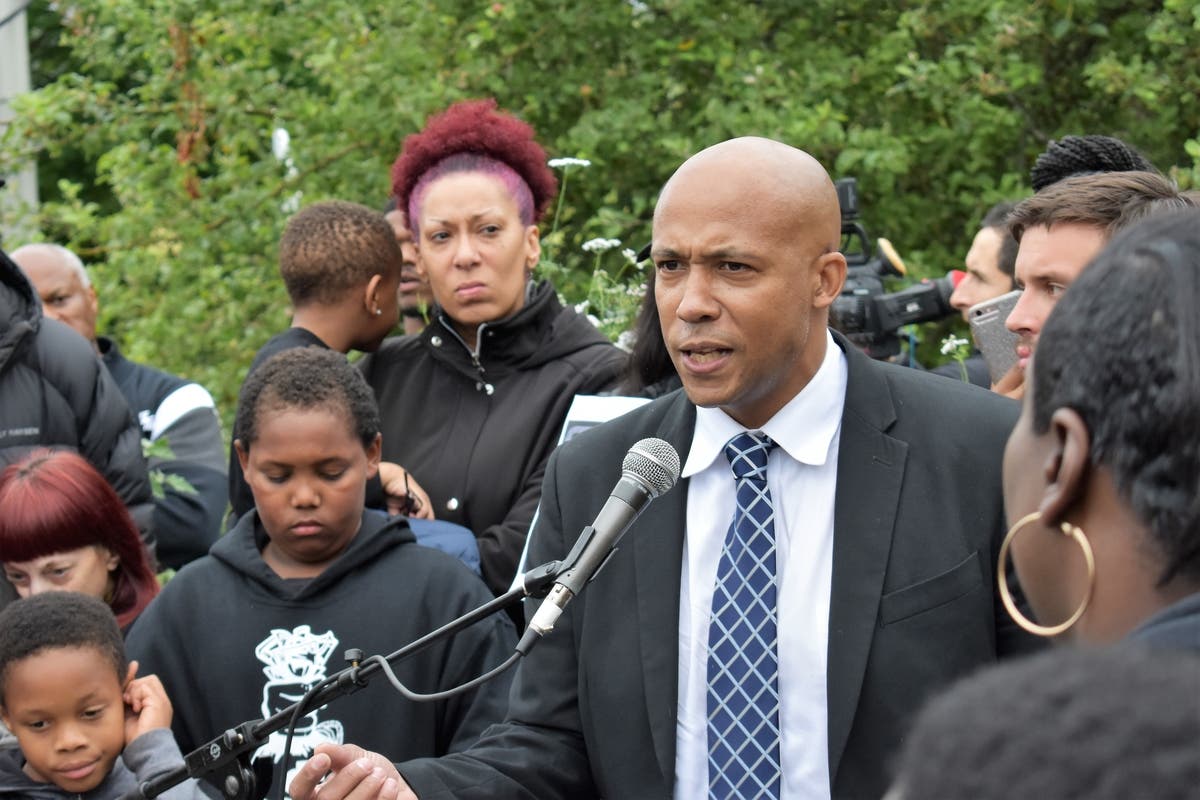
The vigil began at 6 p.m. in front of Brettler Family Place 3, the building where Lyles, 30, lived. Hundreds gathered in the courtyard to hear members of Lyles' family and other supporters speak. Two of the most rousing speeches came from James Bible, an attorney representing Lyles' family, and Councilwoman Kshama Sawant.
Bible plainly called Lyles' death "police murder," and questioned why the police had time to consider using a Taser on Lyles, but not to consider using deescalation tactics.
Lyles died Sunday morning just before 10 a.m. She had called Seattle police to report a burglary. When police arrived, according to audio released by the department, they discussed Lyles before going up to her apartment to take the burglary report. The officers appeared to know Lyles because of a June 5 incident where police arrested the mother of four on a harassment charge. During that incident, Lyles had held a pair of large scissors while police were talking to her, but eventually dropped them.
Lyles' family members and police records indicate that Lyles was struggling with mental health issues. She was three months pregnant at the time of her death, and was at home with three of her four children.
After entering Lyles' apartment, the officers - identified Tuesday as Steven McNew, an officer since 2008; and Jason Anderson, who was hired 2015 - speak calmly with Lyles about the burglary. But the interaction escalates suddenly, according to the audio, and, in an approximately 15-second span of time, the officers begin shouting at Lyles to "get back" and then open fire. Before opening fire, the officers do consider using a Taser, but neither had one.
Sawant pledged to hold a hearing at City Council about Lyles' death (and during the vigil, Councilwoman Lisa Herbold reportedly said she would hold such a hearing in the Council's Civil Rights committee), and said that she has sent a list of questions to Seattle police about use of force.
Andre Taylor, the brother of Che Taylor, who was killed by Seattle police in 2016, helped lead the vigil and the protest march. When the march reached the line of police at the Montlake Bridge, Taylor went out ahead and spoke to each officer, telling them that the crowd was peaceful.
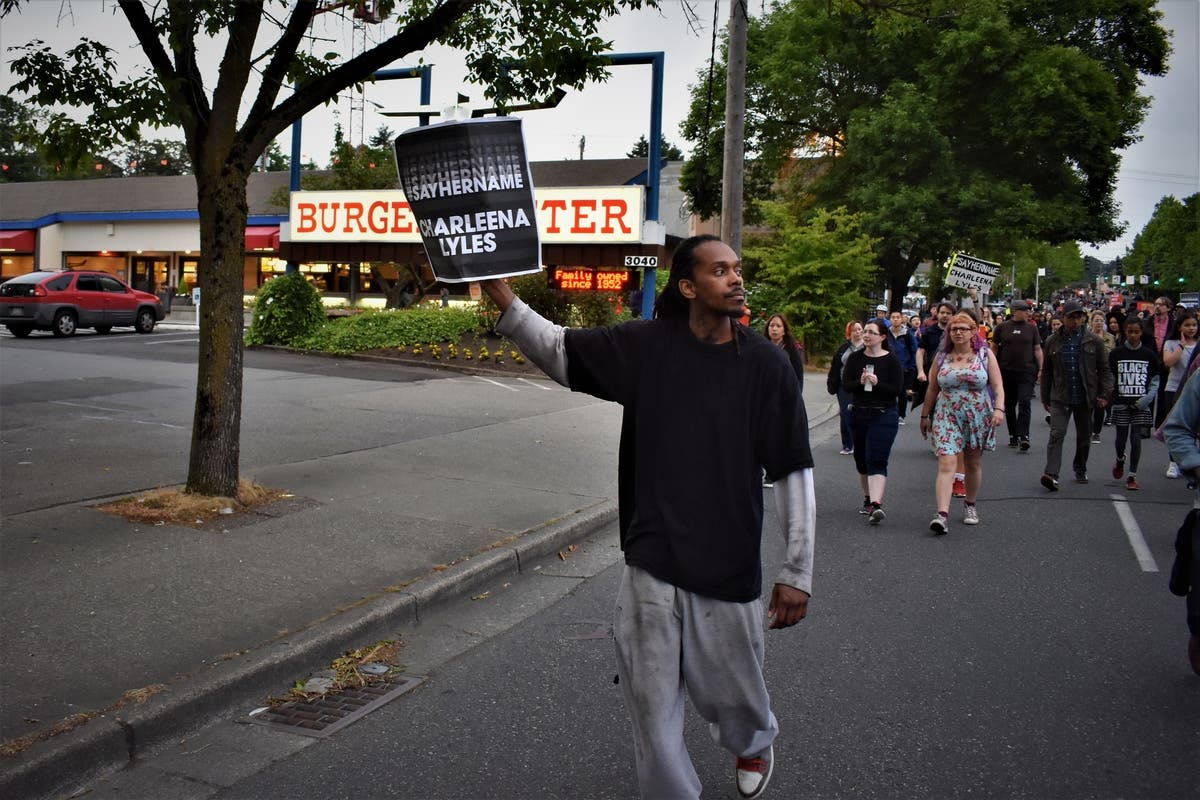
The phrase repeated countless times Tuesday by demonstrators was "Say her name: Charleena Lyles." The chant acted both as a memorial and as a way to let people know who had been killed. The vigil attendees, led by Lyles' family members, marched out of the courtyard of the apartment complex around 7 p.m., and headed south down Sand Point Way.
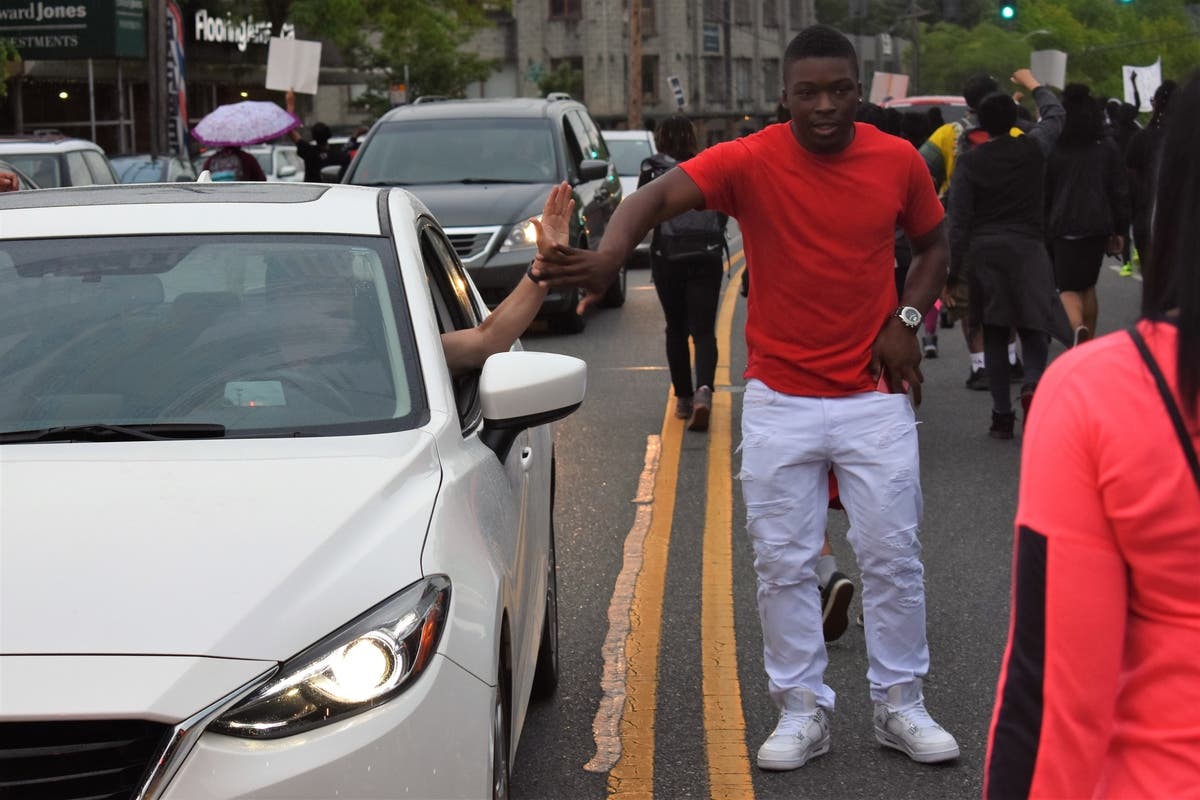
Traffic along the busy street came to a standstill as the march progressed down the southbound lanes. Traffic in the northbound lanes slowed, and some drivers honked and cheered in support.
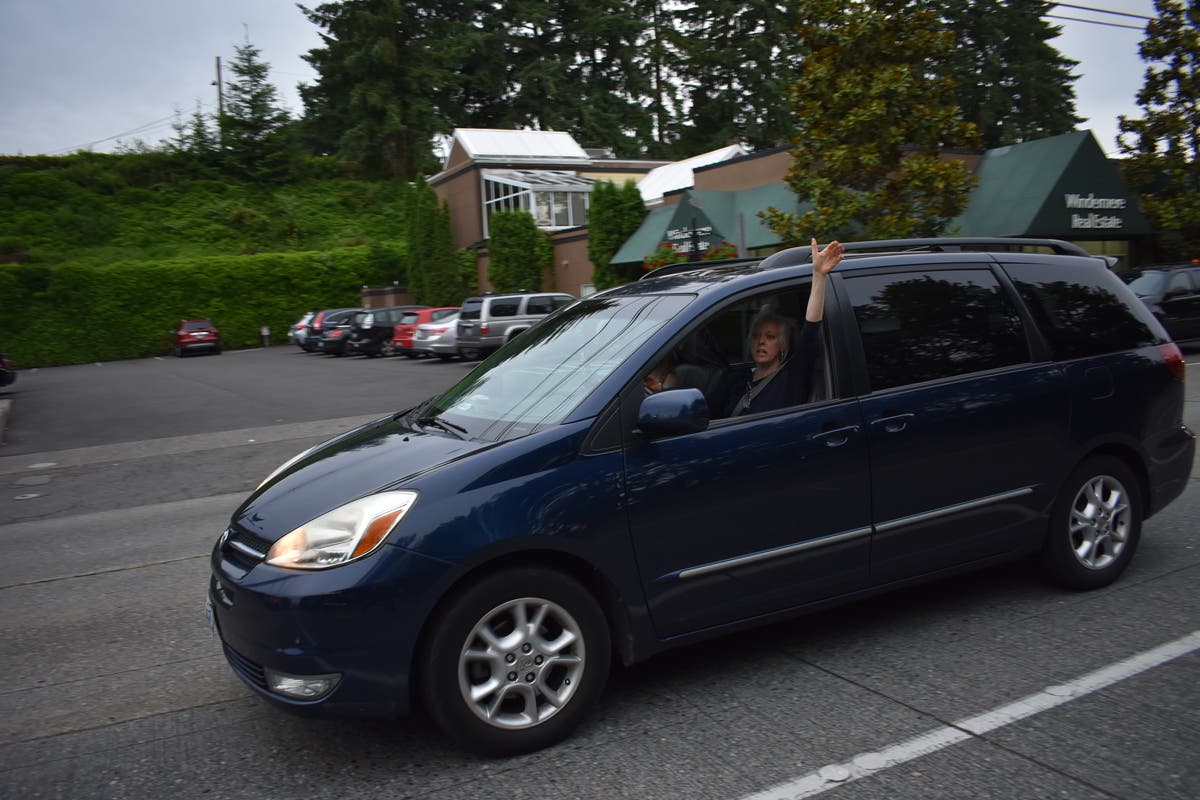
On the way to the University of Washington, near the busy intersection in front of University Village, at least one driver refused to move for demonstrators, sparking a brief confrontation. Throughout the night, there were several such incidents, but none were physical and police did not make any arrests.
As the marchers neared Husky Stadium, a light rain began to fall, and the flashing lights of police cars could be seen in the distance. As the crowd passed underneath a pedestrian bridge connecting the stadium to the campus and light rail station, demonstrators in the front row locked arms, as if prepared to walk through the line of police ahead of them.
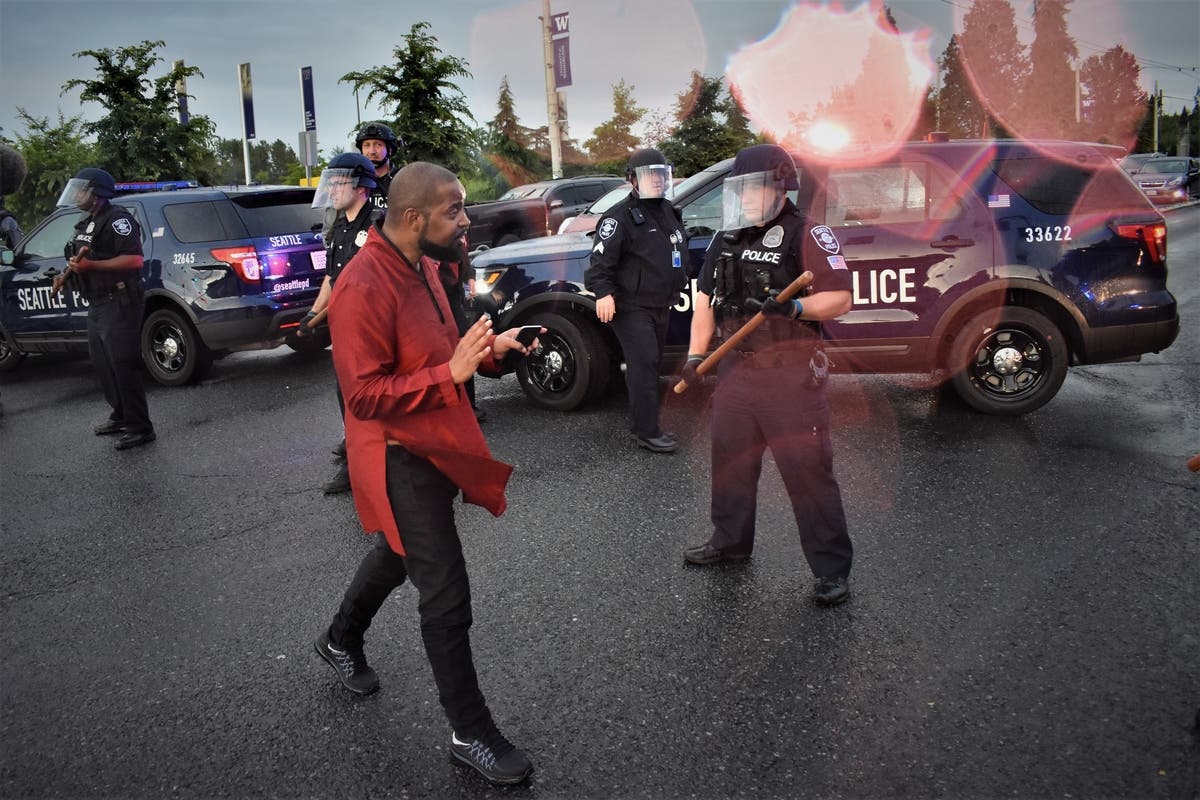
And although it was a tense scene between the large number of protesters and the relatively small number of police, there were no physical confrontations. For all the hard stares and few insults - and pleas for answers about Lyles' death - the interaction with police seemed to serve as a peaceful counterpoint to Lyles' death.
"It's a demonstration of power," said demonstrator Jay Dizzle.
At the end of protest, as the crowd dwindled, and a double-rainbow sprouted in the sky above the Montlake Cut, Andre Taylor said that the march had relieved some of the pressure caused by Lyles' death.
"If we didn't have an opportunity to vent, things would be way worse," Taylor said, noting that Seattle police had done a good job handling the situation. "I think it's therapeutic."
Image via Neal McNamara/patch.com
Get more local news delivered straight to your inbox. Sign up for free Patch newsletters and alerts.