Politics & Government
Sea-Tac Preps For Trump Travel Ban Going Into Effect Thursday
Sea-Tac was the site of large protests when the ban first went into effect in January. Less fanfare is expected Thursday.


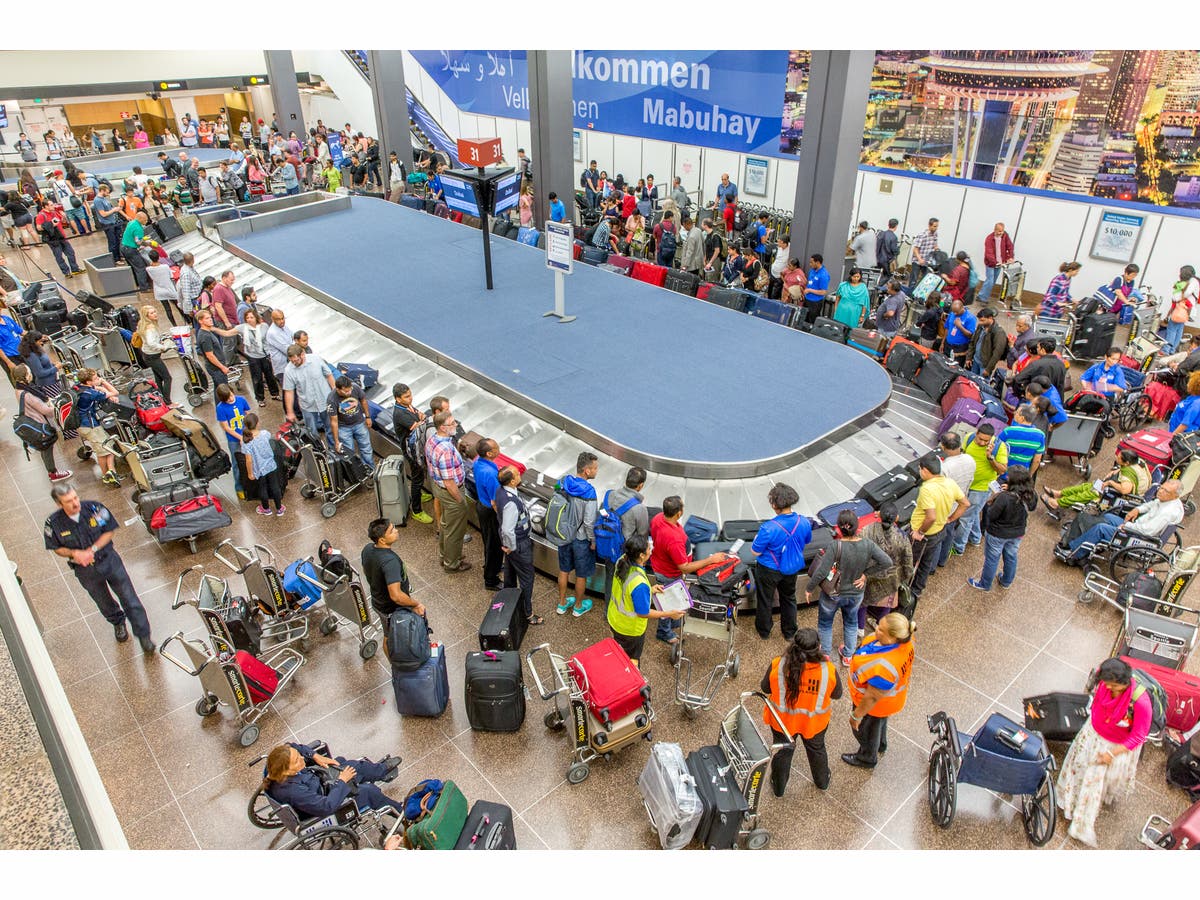
SEATAC, WA - A limited version of President Donald Trump's travel ban executive order will go into effect beginning at 5 p.m. Thursday. Sea-Tac officials say the airport is preparing for the new ban, but is not expecting the large protests that came after the first ban went into effect in January.
On Monday, the Supreme Court ruled that the ban could move ahead, but with limits. The crux of the new travel ban has to do with travel visas: people who have been issued U.S. travel visas will be allowed to enter the country no matter where they are coming from. Under the previous ban, customs officials were turning away people with valid travel visas.
Sea-Tac spokesman Perry Cooper said that the airport is in touch with federal officials about the implementation of the ban, but due to it's limited scope, activity at Sea-Tac will be "fairly boring," he said. The ban will actually take effect after many of Sea-Tac's international flights have arrived on Thursday, Cooper said.
Find out what's happening in Seattlefor free with the latest updates from Patch.
The airport has set aside an area for immigration lawyers to answer questions from travelers. Cooper said that airport officials have stayed in touch with immigrants rights groups, and is not expecting any protests Thursday.
Volunteer attorneys will be stationed at Sea-Tac Thursday and Friday as the ban takes effect, according to the group NoBanSEA. Travelers with questions can visit the volunteer attorneys on the floor above the customs checkpoint at the arrivals area.
Find out what's happening in Seattlefor free with the latest updates from Patch.
We will be staffing and monitoring SeaTac today & tomorrow. Please use https://t.co/lHbGATXhrQ if you anticipate having any problems #NoBan
— NoBanSEA (@NoBanSEA) June 29, 2017
The saga of Trump's travel ban has played out over the past five months. Trump signed the first ban in January, and it was met by protests at airports across the U.S., including at Sea-Tac. Travelers were turned away at multiple airports, and the implementation was marked by mass confusion.
Soon after, Washington Attorney General Bob Ferguson sued the Trump administration to stop the ban, and he was largely successful. Ferguson got the ban blocked, which prompted Trump to rescind it and issue a new, weaker ban. Trump was quickly sued over the second ban, and several federal judges ordered it blocked.
The ban set to go into effect Thursday will block people from six majority-Muslim countries - Sudan, Iran, Syria, Libya, Somalia, and Yemen - from traveling to the U.S. if they can't prove a, in the words of the Supreme Court, "bona fide" reason to be here - for example, speaking at a university, or starting a job. If you can't prove that relationship, you can't enter the U.S. for 90 days (120 days for refugees).
The Supreme Court will take up the issue again in the fall and hear oral arguments from both sides.
Image via Sea-Tac Airport
Get more local news delivered straight to your inbox. Sign up for free Patch newsletters and alerts.