Politics & Government
Seattle Businesses With TVs Now Must Use Closed Captioning
Any business that operates a TV — restaurants and bars included — must turn on closed captioning with a few exceptions.


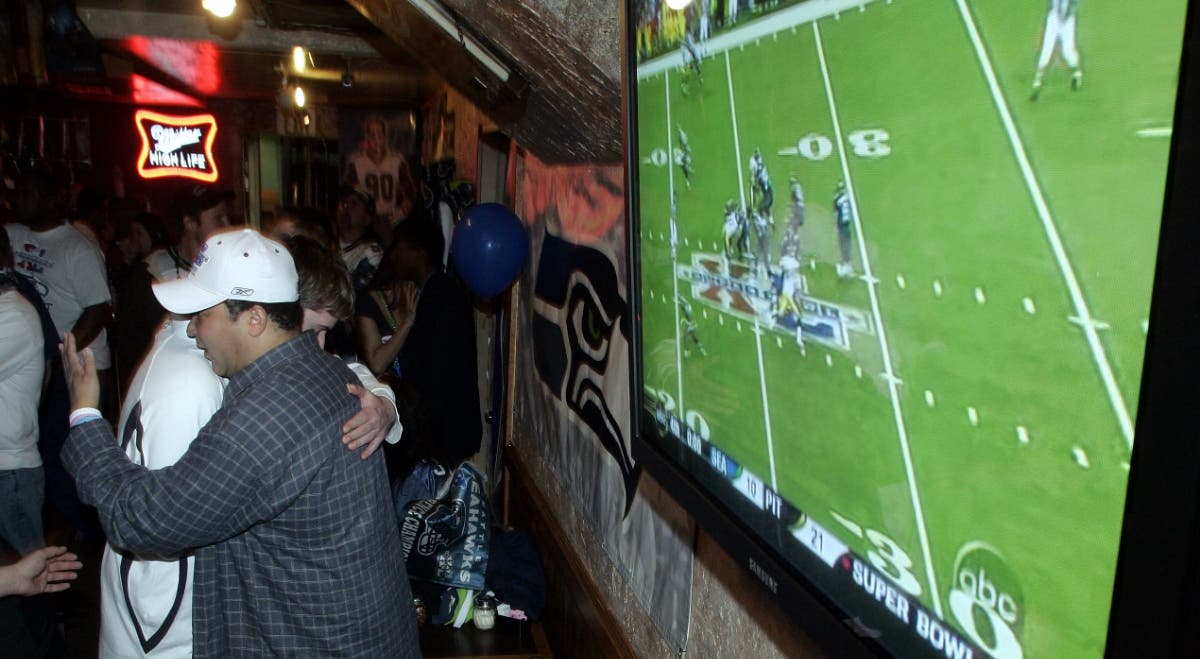
SEATTLE, WA — Businesses in Seattle that have TVs are now required to turn on closed captioning under a law pass by Seattle City Council on Monday. The Council hailed the passage as a win for people with disabilities, but making sure businesses know about the law might take some significant outreach.
Under the law, businesses like hotels, sports bars, and even stadiums, must display closed captioning specifically: 24-point font in white text on a black background in Arial, Calibri, Helvetica, Tahoma, or Verdana fonts.
The law was sponsored by Councilwoman Lisa Herbold, but the city's Commission for People with DisAbilities asked for Council to take up the issue. Seattle joins cities like Ann Arbor, Mich., and San Francisco in requiring closed captioning.
Find out what's happening in Seattlefor free with the latest updates from Patch.
The commission's co-chair, Eric Scheir, said that the law will benefit people with hearing and learning disabilities — but it also might benefit people who hang out at noisy bars.
"In addition to people with disabilities, other benefits of closed captioning includes access for non-native speakers, viewers in sound-sensitive or noisy environments, and programming where dialog is heavily accented, mumbled, or obscured," he said in a statement. "There are many people who depend on captions but don’t have equal access to information. They may stay home to watch a baseball or football game, but turning captions on will increase patronage to restaurants and bars and help the business itself."
Find out what's happening in Seattlefor free with the latest updates from Patch.
There are a few exceptions to the law. Businesses that use older TVs that don't have closed captioning don't have to adhere to the law. And electronics businesses that set up walls of TVs only have to have one operating with closed captioning.
The Office of Civil Rights will enforce the law. Council staff estimated the city might have to spend between $25,000 and $50,000 on outreach to make sure businesses know about the law.
Get more local news delivered straight to your inbox. Sign up for free Patch newsletters and alerts.