Crime & Safety
Seattle Will Drop Effort To Lift Federal Police Oversight
Citing recent protests, the city attorney will withdraw his bid to lift key portions of the police department's federal consent decree.


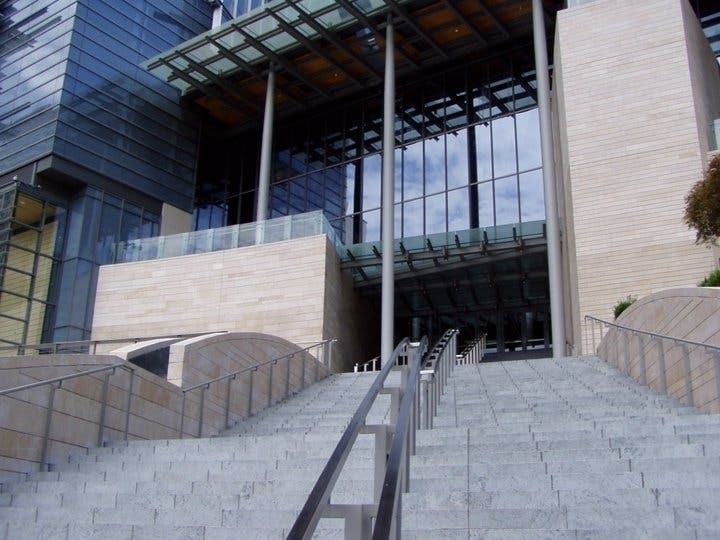
SEATTLE, WA — Seattle will end an effort to release its police department from federal oversight, the city attorney's office announced Wednesday. Seattle police have been under a federal consent decree since 2012, mandating several reforms related to bias-based policing, use of force and police accountability.
In 2018, a federal judge ruled the city was in full compliance with the requirements, beginning a two-year period required to maintain the results. One year later, the judge ruled the police department had fallen partially out of compliance.
As the Seattle Times reported last month, City Attorney Pete Holmes filed a motion early May seeking to lift the remaining oversight, saying the department was a "transformed organization."
Find out what's happening in Seattlefor free with the latest updates from Patch.
Less than a month later, amid protests against police brutality in Seattle and across the nation, the city is changing course.
Holmes released a statement on his decision Wednesday afternoon, as protesters gathered outside City Hall.
Find out what's happening in Seattlefor free with the latest updates from Patch.
“Here in Seattle, I’ve been closely monitoring the response to demonstrations, and 14,000 complaints to our Office of Police Accountability (OPA) in recent days signal that we are about to witness the most vigorous testing ever of our City’s accountability systems.
As OPA undertakes its independent investigation of misconduct allegations, it’s become clear to me that we need to pause before asking U.S. District Judge James Robart to terminate the sustainment plan elements of the federal consent decree so that the City and its accountability partners can conduct a thorough assessment of SPD’s response to the demonstrations.
Therefore, I intend to withdraw the City from the pending motion before the Court, until we thoroughly review and assess SPD’s response to recent demonstrations. I hope and expect that the City will continue to refine its proposal to address the Court’s concerns relating to accountability. The City will then be in a better and more informed position to submit further briefing to the Court in collaboration with the parties to the Consent Decree.”
Related Coverage:
Seattle Police Watchdog Opens 3 Probes Into Capitol Hill Protest
12,000 Complaints Allege Police Misconduct At Seattle Protests
Earlier in the day, Mayor Jenny Durkan and Police Chief Carmen Best faced tough questions from members of the Seattle Community Police Commission and the City Council, including several related to federal oversight.
During the first meeting, Durkan sparred with commissioners over why the city moved to release itself from the decree. The mayor said the motion did not seek to do that and she would not support doing so.
David Perez, an attorney for the police commission, disagreed, saying the filing would effectively terminate main portions of the oversight agreement, while doing nothing to ensure the city would move forward with accountability measures.
"I've got to answer that, and that's just a lie," Durkan said. Her response elicited a heated exchange with several commissioners.
"To be saying that somebody is lying when you, in fact, have made numerous lies and promises to the CPC," said Joseph Seia. "I call that bluff."
Christina Fogg, a Department of Justice representative, told commissioners the DOJ will be evaluating whether police actions during recent protests will impact the department's compliance with the consent decree.
In a lengthy statement, released shortly before 6 p.m., Durkan said she discussed the motion with the city attorney and agreed with pausing the motion while community concerns are heard.
“As U.S. Attorney, I witnessed the use of force being used against young men of color, including John T. Williams, who was killed just blocks from the federal courthouse. Community groups demanded action. Based on the voice and unified actions of civil rights groups, I was able to lead the investigation of the Seattle Police Department and helped negotiate and sign the Consent Decree. Not only was the Consent Decree drafted with community, it created the first version of the Community Police Commission. I deeply believe the Consent Decree has brought significant, important, and systemic changes in the Seattle Police Department and has aided in the creation of training, transparency, and new oversight measures when force is used.
“The City has not filed to end the Consent Decree, and I oppose being released from the Consent Decree at this time. The City made clear to the Court that the City knows it still needed to address concerns on discipline and accountability, and even as we have met the required filings of the sustainment plan, I believe that we should pause as our community is rightfully calling for more police reforms.
“I also want to be clear that when I say the Seattle Police Department has made great progress on reforms, it’s true. But saying that doesn’t mean we’re done. Just because we have made real gains does not mean we are finished. No one is more certain of that than Chief Carmen Best. She believes in and demands a culture of continuous improvement. When she sees officers, policies, or procedures that she believes are contrary to the community good, she is the first person to demand change.
“There has never been a larger test of our resolve and commitment to justice. It will also test our accountability system to ensure complaints are investigated by the Office of Police Accountability, policies and practices are reviewed by Office of the Inspector General, and the Community Police Commission is providing meaningful community accountability. And I think both the Court and the public should know about the use of force in demonstrations as well as how the accountability system is working - this is ultimately what can build or break public confidence.
“We need to have community-led a conversation on where they believe the Court should have oversight and where oversight is appropriately moved to the Office of the Inspector General, the Community Police Commission, and the Office of Police Accountability. Change and reform must be continuous. And we must be unflinching in our willingness to build even deeper changes and create deeper trust.”
Get more local news delivered straight to your inbox. Sign up for free Patch newsletters and alerts.